
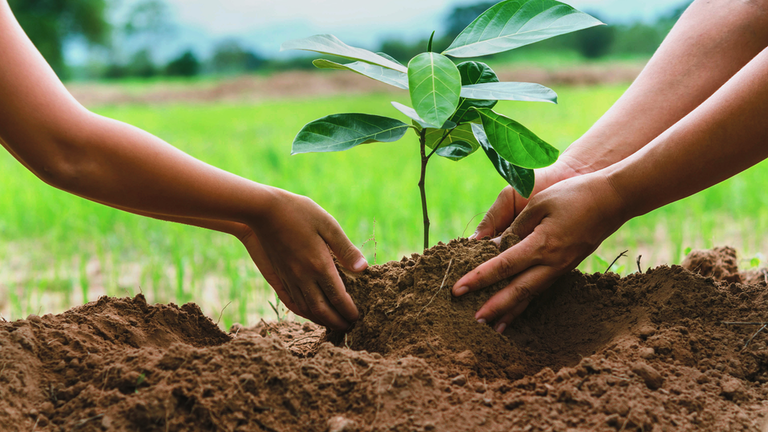
The best time to plant trees in India is during the monsoon season (July to September), when natural rainfall provides optimal moisture for establishing strong root systems. However, timing varies significantly across India's diverse climate zones, a Read more
Trending Tree Plantations - Most Popular Environmental Programs
-
Trees for Birthday Celebration - Plant a Meaningful Gift
Regular price ₹ 299Regular priceUnit price per -
Trees for Mother
Regular price ₹ 299Regular priceUnit price per -
Trees as a Gift - Plant Hope & Create Lasting Impact
Regular price ₹ 299Regular priceUnit price per -
Trees to Honor the Memory of your Loved Ones
Regular price ₹ 299Regular priceUnit price per -
Trees for Women's Day (8th Mar)
Regular price ₹ 299Regular priceUnit price per


Trees for Corporates - Achieve Net Zero Targets Through Strategic Tree Planting
-
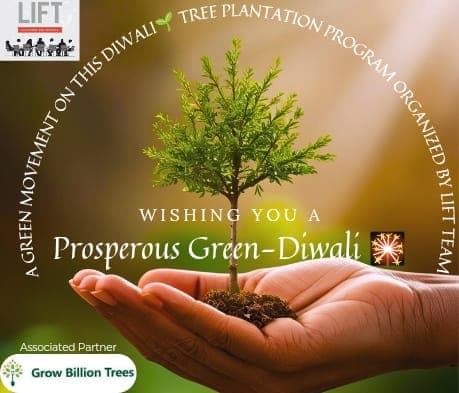
Trees by LIFT Team for Green Diwali - Eco-Friendly Celebration
Regular price ₹ 299Regular priceUnit price per -
Plant Trees for Environment - Climate Action & Green Future
Regular price ₹ 299Regular priceUnit price per -
Trees for a Greener Tomorrow - by Mahindra Lifespaces
Regular price ₹ 299Regular priceUnit price per -
Trees for Farmers - Sustainable Agroforestry Solutions
Regular price ₹ 299Regular priceUnit price per -
Plant Trees for Environment Day (5th Jun) - Make an Impact Today
Regular price ₹ 299Regular priceUnit price per

Best Time to Plant Trees in India: Complete Expert Guide 2024
The best time to plant trees in India is during the monsoon season (July to September), when natural rainfall provides optimal moisture for establishing strong root systems. However, timing varies significantly across India's diverse climate zones, and choosing the right season can mean the difference between a thriving tree and a failed planting attempt.
Understanding seasonal patterns is crucial for successful tree plantation initiatives. Whether you're participating in Plant a tree in your Name programs or planning large-scale reforestation projects, timing your planting efforts correctly ensures better survival rates and healthier growth.
✅ Optimal Planting Seasons Across India
Monsoon Season (July to September) - Prime Time
The monsoon season represents the ideal window for tree planting across most Indian regions. During this period, consistent rainfall eliminates the need for intensive irrigation while providing trees with essential moisture for root development. The United Nations Environment Programme emphasizes that adequate water availability during initial growth phases significantly improves tree survival rates.
Key advantages of monsoon planting include:
- Natural irrigation reduces maintenance costs
- Soil remains consistently moist
- Cooler temperatures reduce transplant shock
- Extended growing season before winter dormancy
However, avoid planting during heavy downpours that can wash away soil and damage delicate root systems. Monitor weather patterns and choose days with moderate rainfall for optimal results.
Post-Monsoon Period (October to November)
The post-monsoon period offers another excellent opportunity for tree planting, particularly in regions with extended rainy seasons. Soil moisture levels remain high while temperatures begin moderating, creating favorable conditions for root establishment before winter arrives.
This timing works exceptionally well for Miyawaki forest projects and urban forestry initiatives where rapid establishment is crucial for success.
Winter Season (December to February) - Regional Considerations
Winter planting can be successful in certain regions, particularly in southern and coastal areas where temperatures remain moderate. The cooler conditions reduce water stress on newly planted saplings, making this season suitable for specific tree species.
Winter planting requirements:
- Regular irrigation is essential
- Protection from frost in northern regions
- Choose cold-tolerant species
- Mulching around base prevents soil freezing
🌱 Regional Variations Across India
Northern Plains and Himalayan Regions
In northern states like Punjab, Haryana, and Uttar Pradesh, monsoon season (July to September) remains the optimal planting window. The region's extreme summer temperatures make spring planting particularly challenging, while harsh winters require careful species selection for winter planting.
The United Nations Sustainable Development Goals recognize the importance of regional adaptation in forest restoration efforts, emphasizing locally appropriate timing for maximum impact.
Western Coastal Regions
States like Maharashtra, Gujarat, and Goa benefit from extended monsoon seasons and moderate coastal climates. Here, the planting window extends from June through October, with post-monsoon months offering particularly favorable conditions.
Southern Peninsula
Southern states including Karnataka, Tamil Nadu, and Kerala experience more consistent temperatures year-round. This climate stability allows for extended planting seasons, though monsoon timing remains optimal for rain-fed plantations.
Eastern States and Northeast
High-rainfall regions in West Bengal, Assam, and other northeastern states can support tree planting from June through November. The extended monsoon season provides ample moisture for successful establishment.
⭐ Species-Specific Timing Considerations
Native Species Advantages
Native tree species naturally align with local climate patterns, making them more adaptable to regional planting seasons. Indigenous varieties like neem, banyan, and peepal have evolved to thrive with natural monsoon cycles.
When participating in 100 crore trees initiatives, prioritizing native species ensures better survival rates and ecological benefits. These trees require minimal intervention once established and contribute significantly to local biodiversity.
Fast-Growing Species
Fast-growing varieties like eucalyptus, bamboo, and certain fruit trees benefit from early monsoon planting, maximizing their growing season before winter dormancy. These species are particularly valuable for agroforestry programs where quick establishment supports farmer livelihoods.
Fruit and Timber Trees
Commercial species require careful timing to ensure proper establishment before bearing seasons. Mango, teak, and other valuable trees benefit from monsoon planting but may need additional care during their first year.
💡 Pre-Planting Preparation Tips
Soil Assessment and Preparation
Before determining planting timing, assess soil conditions thoroughly. Monsoon planting requires well-draining soil to prevent waterlogging, while winter planting needs soil that retains moisture effectively.
Essential preparation steps include:
- Testing soil pH and nutrient levels
- Improving drainage in heavy clay soils
- Adding organic matter for better water retention
- Creating proper planting holes before the season
Sapling Selection and Care
Choose healthy saplings from reputable nurseries, ensuring they're acclimatized to local conditions. Quality saplings significantly improve success rates regardless of planting timing.
Our 4ft Tree Planting + 3 Years Care + GeoTag program ensures professional sapling selection and ongoing maintenance, maximizing survival rates across all planting seasons.
⚠️ Common Timing Mistakes to Avoid
Spring Planting Challenges
March to May represents the most challenging period for tree planting across India. Rising temperatures, intense sunlight, and limited rainfall create stressful conditions for newly planted trees. The World Wildlife Fund's forest conservation research indicates significantly lower survival rates for spring plantings in tropical climates.
Late Season Planting Issues
Planting too late in the season, particularly after October in northern regions, doesn't provide sufficient time for root establishment before winter dormancy. This timing often results in poor survival rates and stunted growth.
Ignoring Microclimate Factors
Urban areas, elevated regions, and coastal zones create unique microclimates that may require adjusted planting schedules. Consider local environmental factors when determining optimal timing.
🌳 Technology Integration for Better Timing
Weather Monitoring and Forecasting
Modern technology enables precise timing decisions through weather forecasting and soil moisture monitoring. Our GeoTag technology helps track environmental conditions and optimize planting schedules for maximum success.
Seasonal Planning Tools
Digital platforms now offer region-specific planting calendars that consider local climate data, soil conditions, and species requirements. These tools help both individual planters and large-scale reforestation projects optimize their timing.
🏢 Corporate and Large-Scale Considerations
Meeting Net Zero Targets
Companies pursuing Net Zero Targets through tree planting initiatives must consider seasonal timing to maximize carbon sequestration potential. Properly timed plantations establish faster and begin capturing carbon sooner.
Scaling Operations
Large-scale plantations require extended planning windows to coordinate resources, labor, and logistics. Starting preparations months before optimal planting seasons ensures smooth execution when conditions are right.
Combating Climate Change Through Collective Action
Coordinated timing across multiple planting sites amplifies environmental impact. When communities and organizations align their planting schedules with optimal seasons, the collective effect contributes more significantly to climate change mitigation efforts.
Frequently Asked Questions
What happens if I plant trees during the wrong season?
Planting during suboptimal seasons typically results in higher mortality rates, slower growth, and increased maintenance requirements. Trees planted during hot, dry periods face water stress, while those planted too late may not establish proper root systems before winter.
Can I plant trees year-round with proper care?
While intensive irrigation and protection can enable year-round planting, it significantly increases costs and maintenance requirements. Natural seasonal timing remains more sustainable and cost-effective for most applications.
How does climate change affect optimal planting timing?
Climate change is shifting traditional monsoon patterns and extending hot seasons in many regions. Monitor local weather patterns and consider these changes when planning planting schedules.
Which tree species are most forgiving of timing mistakes?
Hardy native species like neem, banyan, and certain bamboo varieties show greater tolerance for suboptimal planting timing. However, even resilient species perform better when planted during favorable seasons.
How long should I wait after planting to see growth?
Most trees show visible growth within 2-4 weeks of proper seasonal planting. Monsoon-planted trees typically establish faster due to optimal moisture conditions.
Do urban areas require different planting timing?
Urban heat islands and altered drainage patterns may require slightly adjusted timing. Consider microclimatic conditions and potentially extend the optimal planting window in cities with milder urban climates.
What role does soil temperature play in planting timing?
Soil temperature affects root development significantly. Monsoon seasons provide optimal soil temperatures (20-25°C) for most tree species, while extreme summer temperatures can damage root systems.
How do I coordinate timing for mixed-species plantations?
When planting multiple species together, choose timing that benefits the majority of species or plant in phases, starting with the most sensitive varieties during optimal periods.
🌿 Maximizing Your Tree Planting Success
Understanding the best time to plant trees in India empowers you to make informed decisions that benefit both your investment and the environment. Whether you're planting a single tree to commemorate a special occasion or participating in large-scale reforestation efforts, proper timing significantly impacts success rates.
The monsoon season consistently emerges as the optimal choice across most Indian regions, providing natural irrigation and favorable growing conditions. However, regional variations and species-specific requirements demand careful consideration of local factors.
Ready to plant trees at the perfect time? Explore our tree planting programs and join thousands of environmentally conscious individuals contributing to India's goal of planting 100 crore trees. Our expert team ensures optimal timing and provides three years of professional care to guarantee your trees thrive regardless of the season you choose.
You may also like
-
Gift a Tree - Meaningful Environmental Gifts That Make a Difference
Transform your gift-giving with meaningful environmental gifts that create lasting impact for...
-
Trees For Shiv Ji - Sacred Tree Planting to Honor Lord Shiva
Honor Lord Shiva through sacred tree planting with Trees For Shiv Ji,...
-

Tree Plantations for Shri Ram - Sacred Devotional Planting Services
Honor Lord Shri Ram through meaningful tree plantations for Shri Ram that...
-
Tree Plantation on Navratri - Celebrate Divine Festivals with Environmental Devotion
Tree plantation on Navratri transforms the sacred nine-day festival into a powerful...
-
Tree Plantation by Cause - Plant Trees for Every Purpose | Grow Billion Trees
Transform your environmental impact with purpose-driven tree plantation by cause programs that...
Corporate Plantations
-
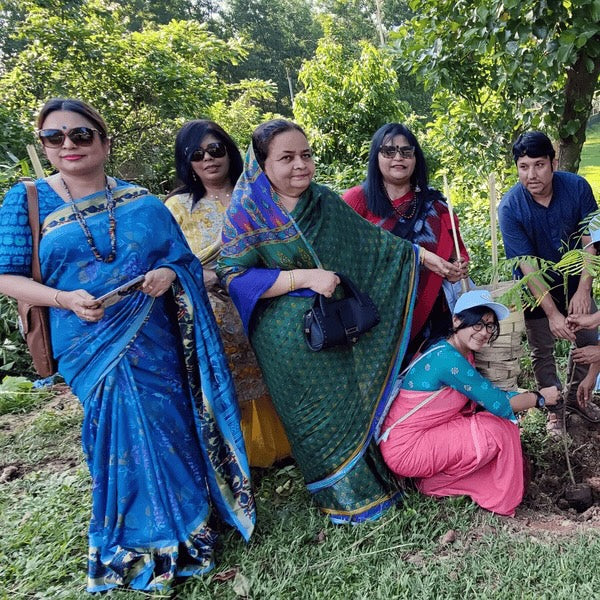
Trees for Corporates - Achieve Net Zero Targets Through Strategic Tree Planting
Trees for Corporates - Strategic Environmental SolutionsTransform your corporate environmental impact with...
-
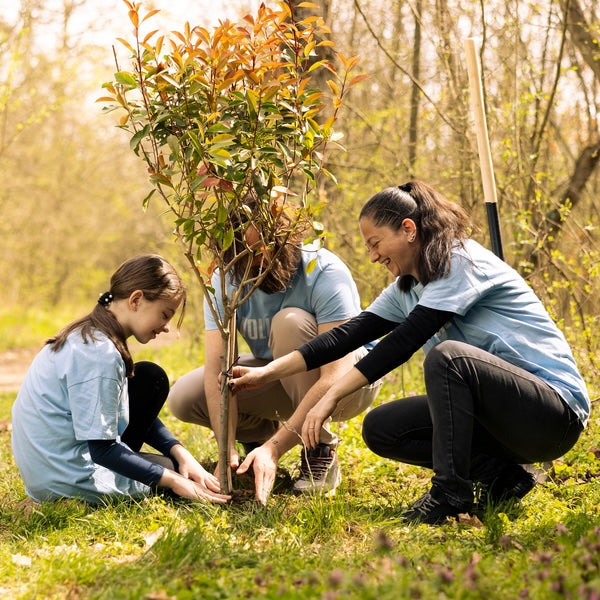
Tree Plantation for CSR - Corporate Environmental Programs | Grow Billion Trees
Tree Plantation for CSR - Transform Your Corporate Environmental ImpactTree plantation for...
-
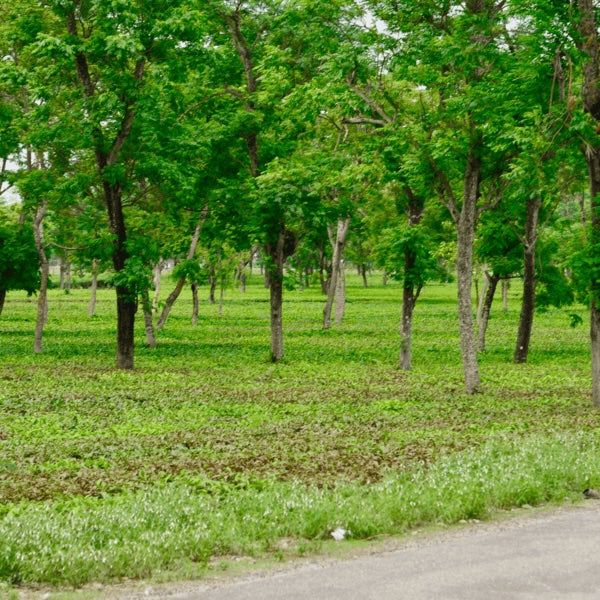
Tree Plantation for SDG - Support Sustainable Development Goals
Tree plantation for SDG initiatives represents a powerful pathway to achieving multiple...
-
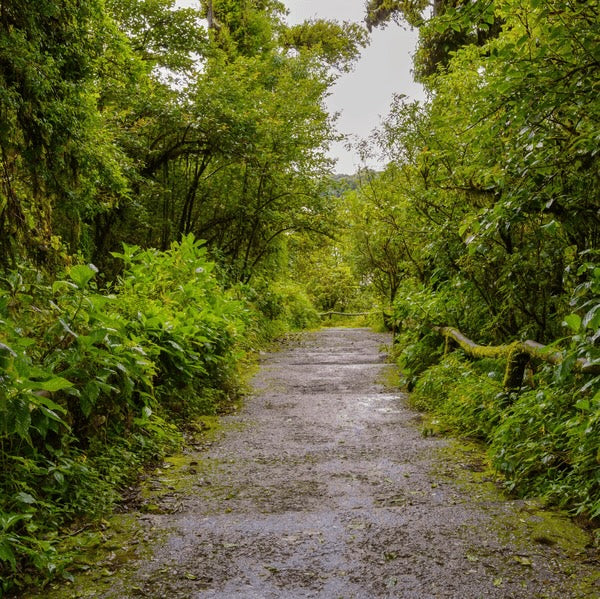
Corporate Tree Plantation Programs - Sustainable ESG Environmental Solutions for Net Zero Targets
Corporate Tree Plantation Programs for Sustainable ESG SolutionsTransform your organization's environmental impact...
-
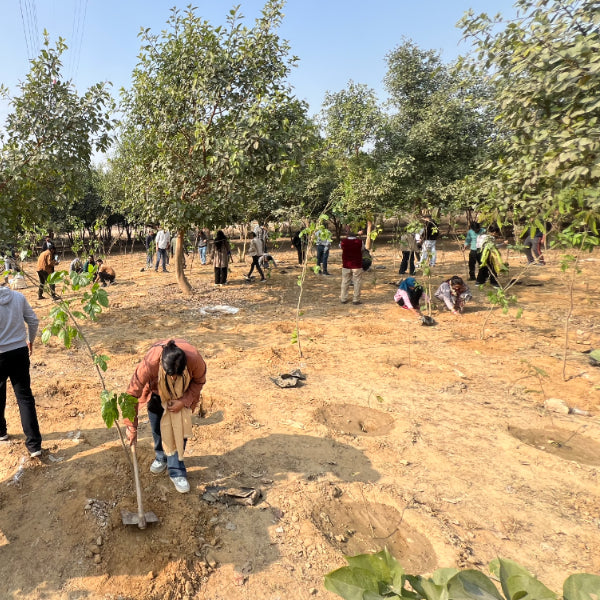
Tree Plantation by Location - Plant Trees Across India
Transform landscapes nationwide through our comprehensive tree plantation by location program. When...
Most Popular Tree Plantations - Top Choices for Environmental Impact
-
Trees for Birthday Celebration - Plant a Meaningful Gift
Regular price ₹ 299Regular priceUnit price per -
Trees for Mother
Regular price ₹ 299Regular priceUnit price per -
Trees as a Gift - Plant Hope & Create Lasting Impact
Regular price ₹ 299Regular priceUnit price per -
Trees to Honor the Memory of your Loved Ones
Regular price ₹ 299Regular priceUnit price per -
Sacred Trees for Krishna on Janmashtami - Divine Gift ₹299
Regular price ₹ 299Regular priceUnit price per

Connect with us
-
👥 Corporates
If you are looking for:
- 🌲 Tree Plantation Events
- 📊 CSR Projects
📧 corporate@growbilliontrees.com
📞 +91 9699723523
💬 +91 9325931304 WhatsApp (Only)
🕒 Mon - Sat | 10am - 7pm IST
-
🧩 Tree Plantation NGOs
If you are looking for:
- 💰 Financial Assistance
- 🤝 Operational Support
📧 support@growbilliontrees.com
📞 +91 9699723523
💬 +91 9325931304 WhatsApp (Only)
🕒 Mon - Sat | 10am - 7pm IST
-
🌼 Individuals
If you are looking for:
- 👥 Group Tree Plantation Drive
- 🌳 Bulk Tree Plantation
📞 +91 9699723523
💬 +91 9325931304 WhatsApp (Only)
🕒 Mon - Sat | 10am - 7pm IST
