
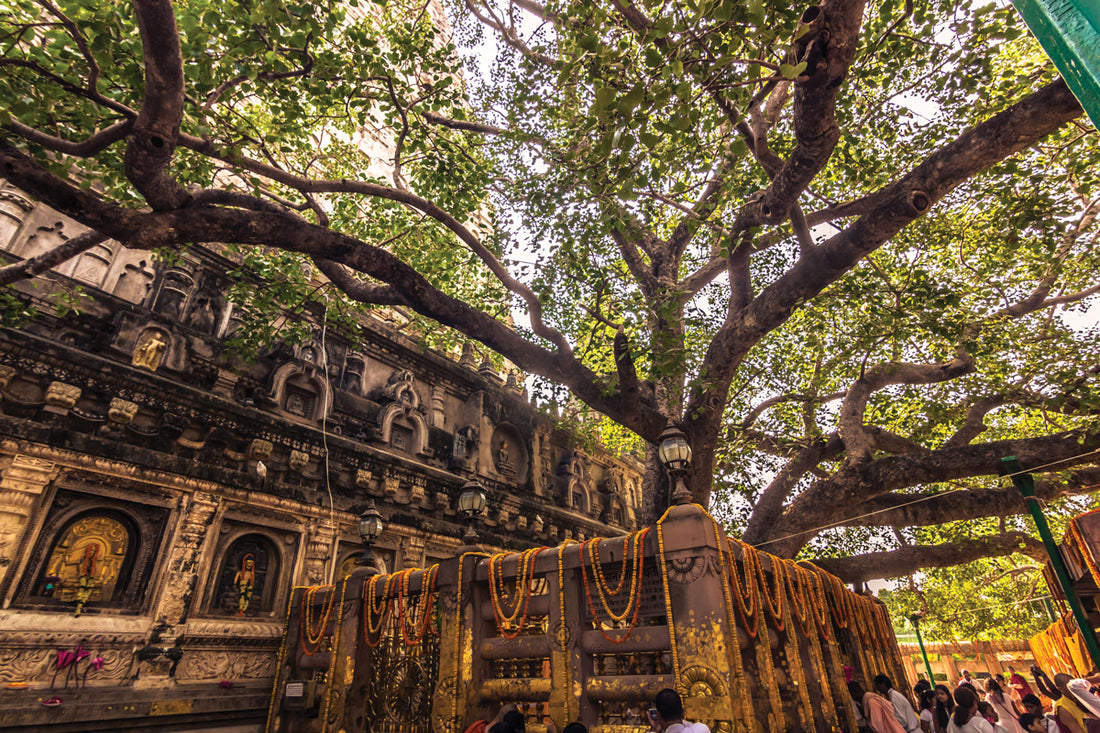
Trees hold profound significance across cultures worldwide, representing life, wisdom, and our deep connection to nature. From ancient spiritual traditions to modern environmental science, we understand that trees are sacred because they embody the e Read more
Trending Tree Plantations - Most Popular Environmental Programs
-
Trees for Mother
Regular price ₹ 299Regular priceUnit price per -
Trees to Honor the Memory of your Loved Ones
Regular price ₹ 299Regular priceUnit price per -
Trees for Women's Day (8th Mar)
Regular price ₹ 299Regular priceUnit price per -
Trees for Wedding Anniversary Celebration
Regular price ₹ 299Regular priceUnit price per -
Trees for Grandmother
Regular price ₹ 299Regular priceUnit price per

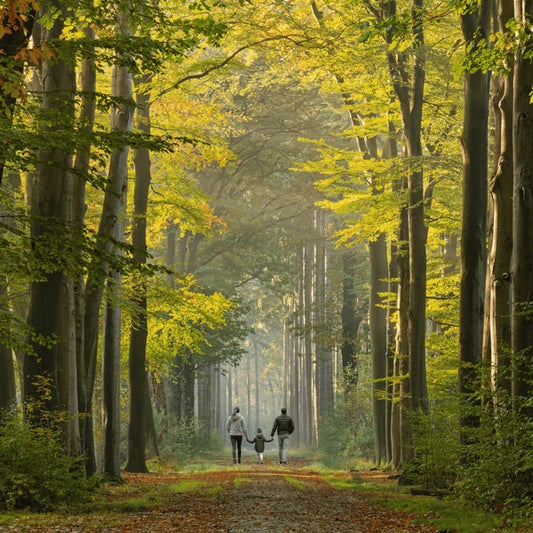



Trees for Corporates - Achieve Net Zero Targets Through Strategic Tree Planting
-
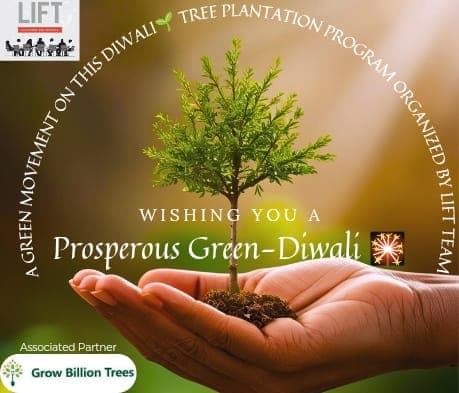 Project Closed
Trees by LIFT Team for Green Diwali: Transform Your Festival
Regular price ₹ 299Regular priceUnit price per -
Trees for a Greener Tomorrow - by Mahindra Lifespaces
Regular price ₹ 299Regular priceUnit price per -
Trees for Environment Day: Plant Your Impact on June 5th
Regular price ₹ 299Regular priceUnit price per -
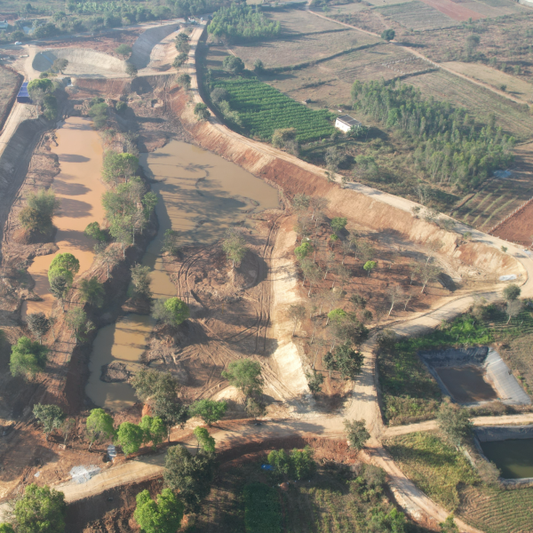 Project Closed
Trees for Bangalore: Plant Native Trees in Garden City ₹299
Regular price ₹ 799Regular priceUnit price per -
Trees for Employees: Transform Your Corporate Culture in 2026
Regular price ₹ 299Regular priceUnit price per

Why Trees Are Sacred to Us: Ancient Wisdom & Modern Science
Trees hold profound significance across cultures worldwide, representing life, wisdom, and our deep connection to nature. From ancient spiritual traditions to modern environmental science, we understand that trees are sacred because they embody the essence of life itself - providing oxygen, shelter, and spiritual solace while connecting us to something greater than ourselves.
The reverence for trees spans millennia and continents. Our ancestors recognized what science now confirms: trees are fundamental to life on Earth, supporting ecosystems and human well-being in countless ways.
Ancient Cultural Reverence for Trees ✅
Throughout history, trees have been revered by many cultures and traditions around the world for their beauty, strength, and the many practical benefits they provide. They are often seen as symbols of life, growth, and the natural world.
In many traditions, trees are considered sacred because they are believed to have a special connection to the divine or to the spirits of the natural world. For example, in many ancient cultures, trees were believed to be the homes of gods and goddesses, and people would often pray to or make offerings to trees as a way to honor and communicate with the divine.
In other cultures, trees were seen as sacred because they were believed to have healing or protective powers, or because they were seen as symbols of longevity and continuity. This ancient wisdom reflects our intuitive understanding of trees' vital role in sustaining life.
The Science Behind Our Sacred Connection 💡
Modern environmental research validates our ancestral reverence for trees. According to the United Nations Sustainable Development Goals, forests are crucial for combating climate change and preserving biodiversity. Trees absorb carbon dioxide, produce oxygen, and regulate water cycles - making them essential for planetary health.
Trees also provide measurable benefits to human health and well-being. Studies show that spending time around trees reduces stress hormones, lowers blood pressure, and improves mental clarity. This scientific validation explains why many people find spiritual significance in nature and feel uplifted when surrounded by trees.
The United Nations Environment Programme emphasizes that forests support 80% of terrestrial biodiversity, demonstrating their sacred role as guardians of life on Earth.
Ten Sacred Trees from Around the World ⭐
The Bodhi Tree (Buddhism)
The Bodhi Tree is a sacred tree in Buddhism, as it is believed to be the tree under which the Buddha achieved enlightenment. The original Bodhi Tree was a large and ancient fig tree located in the Indian state of Bihar. Today, many Buddhist temples and monasteries around the world have a descendant of the original Bodhi Tree, which is considered to be a symbol of the Buddha's enlightenment and wisdom.
The Cedar of Lebanon (Judaism and Christianity)
The Cedar of Lebanon is a sacred tree in Judaism and Christianity, as it is mentioned several times in the Bible and is associated with the temple of Solomon. The Cedar of Lebanon is a large and majestic tree that grows in the mountains of the eastern Mediterranean region. In the Bible, the Cedar of Lebanon is often used as a symbol of strength, wisdom, and beauty.
The Ashvattha Tree (Hinduism)
The Ashvattha Tree is a sacred tree in Hinduism, as it is considered to be the eternal abode of the Hindu god Vishnu. The Ashvattha Tree is often depicted in Hindu art and literature as a large and sprawling tree with branches that extend to the heavens and roots that reach down to the underworld. In the Bhagavad Gita, the Ashvattha Tree is described as the source of all creation and the ultimate refuge for those who seek enlightenment.
The Yggdrasil Tree (Norse Mythology)
The Yggdrasil Tree is a sacred tree in Norse mythology, as it is believed to be the axis mundi, or center of the world. The Yggdrasil Tree is a massive ash tree that is said to be so large that its branches and roots extend to all corners of the universe. In Norse mythology, the Yggdrasil Tree is the home of many gods and goddesses, and is often depicted as the source of all life.
The Tree of Life (Various Cultures)
The Tree of Life is a sacred tree that appears in many different cultures and religious traditions around the world. The Tree of Life is often depicted as a large and flourishing tree with branches that extend to the heavens and roots that reach down to the underworld. In many traditions, the Tree of Life is considered to be a symbol of immortality, eternal life, and the connection between heaven and earth.
The Tree of Knowledge (Judaism and Christianity)
The Tree of Knowledge is a sacred tree that appears in the Bible, specifically in the book of Genesis. The Tree of Knowledge is a tree in the Garden of Eden that is said to have the power to grant knowledge and understanding to those who eat its fruit. In the Bible, the Tree of Knowledge represents the choice between innocence and wisdom.
The Tree of the Cross (Christianity)
The Tree of the Cross is a sacred tree in Christianity, as it is believed to be the tree from which the cross on which Jesus was crucified was made. The Tree of the Cross is often depicted in Christian art and literature as a large and sturdy tree with branches that extend to the heavens. In many traditions, the Tree of the Cross is seen as a symbol of sacrifice, redemption, and salvation.
The Tree of Immortality (Zoroastrianism)
The Tree of Immortality is a sacred tree in Zoroastrianism, as it is believed to be the tree from which the souls of the righteous are reborn. The Tree of Immortality is often depicted in Zoroastrian art and literature as a large and flourishing tree with branches that extend to the heavens. In many traditions, the Tree of Immortality is seen as a symbol of life, renewal, and eternal existence.
The World Tree (Various Cultures)
The World Tree appears in numerous mythologies as the cosmic axis connecting different realms of existence. From the Celtic Tree of Life to the Mayan Ceiba tree, these sacred trees represent the interconnectedness of all life and serve as bridges between earthly and divine realms.
The Baobab Tree (African Traditions)
Known as the "Tree of Life" in African cultures, the Baobab is revered for its longevity and life-sustaining properties. These ancient trees can live for thousands of years and provide food, water, shelter, and medicine to entire communities, embodying the sacred principle of nurturing life.
Modern Environmental Significance 🌍
In modern times, trees continue to be revered and respected by many people for their role in the natural world and for the many benefits they provide to humans and the environment. Many people see trees as important for the health and well-being of the planet, and they work to protect and preserve forests and other areas where trees grow.
The World Wildlife Fund's forest conservation initiatives highlight how protecting trees is essential for maintaining ecological balance. Trees serve as natural air purifiers, water filters, and climate regulators - functions that are increasingly vital as we face environmental challenges.
Some people also see trees as having a spiritual significance and find that spending time in nature or around trees can be a calming and uplifting experience. This connection between trees and human well-being reinforces why trees remain sacred to us in contemporary society.
Trees as Symbols of Hope and Renewal ✅
Trees represent resilience and regeneration in ways that inspire human consciousness. Their ability to grow from tiny seeds into mighty giants mirrors our own potential for growth and transformation. Seasonal cycles of trees - from budding spring leaves to autumn's colorful display - remind us of life's natural rhythms and the beauty of change.
Many cultures associate specific trees with particular virtues: oak trees symbolize strength and endurance, willow trees represent flexibility and grace, and pine trees embody longevity and peace. These symbolic associations help us connect with nature's wisdom and apply these qualities to our own lives.
The practice of planting memorial trees or celebrating life events with tree plantings demonstrates how trees serve as living monuments that grow more beautiful with time, unlike static memorials.
The Role of Trees in Climate Action 🌱
Understanding why trees are sacred to us becomes even more profound when we consider their crucial role in addressing climate change. Trees are nature's most efficient carbon capture technology, absorbing CO2 from the atmosphere and storing it in their wood, roots, and soil.
A single mature tree can absorb 48 pounds of CO2 per year, making reforestation one of the most effective strategies for combating climate change through collective action. This environmental service makes trees sacred guardians of our planet's future.
Organizations like Grow Billion Trees recognize this sacred responsibility, working toward the ambitious goal of planting 100 crore trees to help achieve Net Zero Targets while providing comprehensive care including 4ft Tree Planting + 3 Years Care + GeoTag tracking.
Creating Sacred Connections Through Tree Planting 🌿
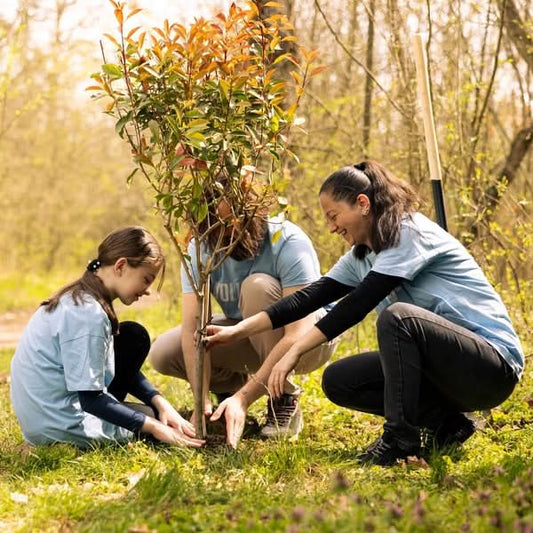
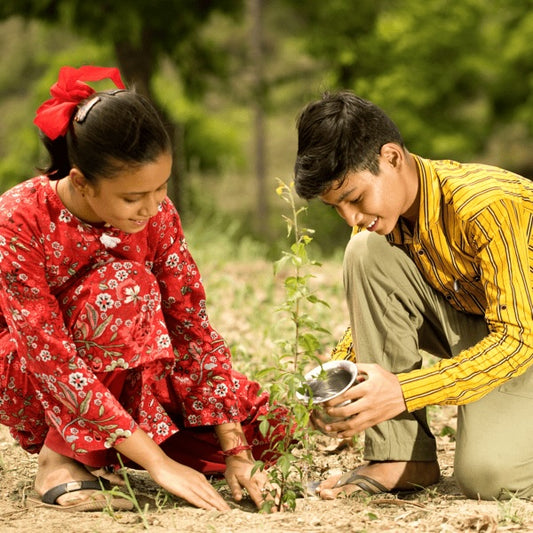
The act of planting a tree creates a sacred bond between humans and nature. When you Plant a tree in your Name, you participate in an ancient tradition of nurturing life and leaving a positive legacy for future generations.
Tree planting ceremonies have become meaningful ways to celebrate births, honor memories, and mark significant life events. These rituals connect us to the timeless cycle of growth and renewal that trees represent, making the experience deeply personal and spiritually significant.
Modern technology enhances this sacred connection through innovations like GeoTag tracking, allowing people to monitor their tree's growth and impact over time. This creates a lasting relationship between the planter and their tree, reinforcing the sacred bond.
Frequently Asked Questions
Why do different cultures consider trees sacred?
Trees are considered sacred across cultures because they represent fundamental life forces: growth, renewal, strength, and connection between earth and sky. They provide essential resources while symbolizing spiritual concepts like wisdom, immortality, and divine presence.
What makes the Bodhi Tree particularly sacred?
The Bodhi Tree is sacred in Buddhism because it's believed to be where Buddha achieved enlightenment. This fig tree represents the moment of spiritual awakening and continues to symbolize wisdom and enlightenment for millions of Buddhists worldwide.
How do trees contribute to our spiritual well-being?
Trees contribute to spiritual well-being by providing peaceful environments that reduce stress, promote mindfulness, and connect us to natural rhythms. Many people report feeling more centered and spiritually grounded when spending time among trees.
Why are trees important for environmental health?
Trees are crucial for environmental health because they absorb carbon dioxide, produce oxygen, prevent soil erosion, regulate water cycles, and provide habitat for wildlife. They serve as natural air and water purifiers while supporting biodiversity.
What role do trees play in climate change mitigation?
Trees play a vital role in climate change mitigation by absorbing CO2 from the atmosphere and storing carbon in their biomass. Reforestation and afforestation are among the most effective natural climate solutions available to humanity.
How can individuals participate in tree conservation?
Individuals can participate in tree conservation by planting trees, supporting reforestation organizations, choosing sustainable products, reducing paper consumption, and advocating for forest protection policies in their communities.
What is the significance of memorial trees?
Memorial trees serve as living tributes that grow more beautiful over time, symbolizing the lasting impact of a person's life. They provide comfort to grieving families while contributing positively to the environment and community.
How do urban trees benefit city dwellers?
Urban trees benefit city dwellers by improving air quality, reducing heat island effects, providing shade, creating peaceful spaces, increasing property values, and supporting mental health through connection with nature.
Why should businesses invest in tree planting initiatives?
Businesses should invest in tree planting initiatives to achieve sustainability goals, enhance their environmental reputation, offset carbon emissions, engage employees in meaningful activities, and contribute to community well-being.
What makes tree planting a sacred act in modern times?
Tree planting becomes sacred in modern times because it represents hope for the future, responsibility for environmental stewardship, and active participation in healing our planet. It connects us to ancient traditions while addressing contemporary challenges.
The Future of Our Sacred Relationship with Trees 🌳
As we face unprecedented environmental challenges, our relationship with trees becomes more sacred than ever. The urgency of climate action makes every tree planted a symbol of hope and commitment to future generations. This sacred responsibility drives initiatives aimed at massive reforestation efforts.
Technology continues to enhance our connection with trees through innovations like satellite monitoring, carbon credit systems, and mobile apps that track tree growth. These tools help us understand and appreciate the ongoing impact of our tree planting efforts.
The goal of planting billions of trees worldwide represents humanity's recognition of trees' sacred role in planetary health. Each tree planted contributes to a global forest that serves as Earth's lungs, climate regulator, and biodiversity sanctuary.
Understanding why trees are sacred to us ultimately reveals our deep interdependence with the natural world. Trees embody the principles of growth, resilience, and generosity that inspire human consciousness and guide us toward a more sustainable future.
Join the movement of Combating Climate Change Through Collective Action by exploring tree planting opportunities that honor this sacred relationship. Discover how you can plant a tree in your name and become part of the global effort to restore our planet's green heritage.
You may also like
-
Gift a Tree - Meaningful Environmental Gifts That Make a Difference
Transform your gift-giving with meaningful environmental gifts that create lasting impact for...
-
Trees For Shiv Ji - Sacred Tree Planting to Honor Lord Shiva
Honor Lord Shiva through sacred tree planting with Trees For Shiv Ji,...
-
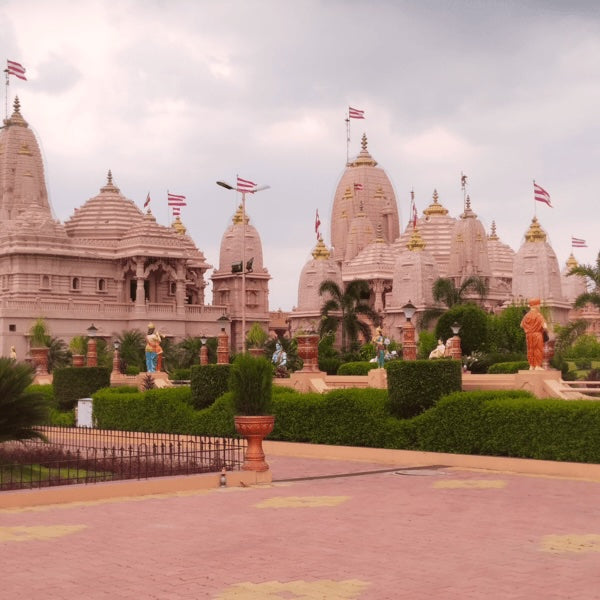
Tree Plantations for Shri Ram - Sacred Devotional Planting Services
Honor Lord Shri Ram through meaningful tree plantations for Shri Ram that...
-
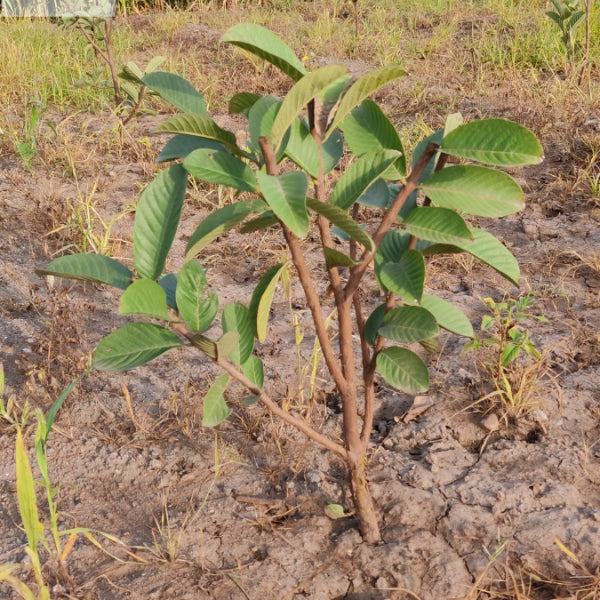
Tree Plantation on Navratri - Celebrate Divine Festivals with Environmental Devotion
Tree plantation on Navratri transforms the sacred nine-day festival into a powerful...
-
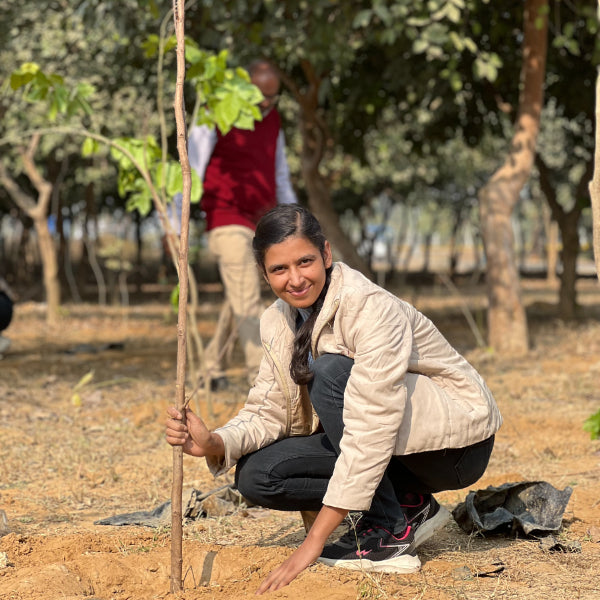
Tree Plantation by Cause - Plant Trees for Every Purpose | Grow Billion Trees
Transform your environmental impact with purpose-driven tree plantation by cause programs that...
Corporate Plantations
-
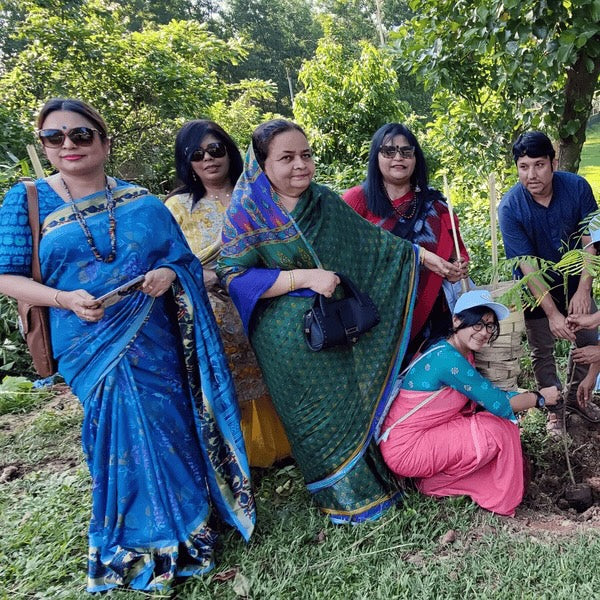
Trees for Corporates - Achieve Net Zero Targets Through Strategic Tree Planting
Trees for Corporates - Strategic Environmental SolutionsTransform your corporate environmental impact with...
-
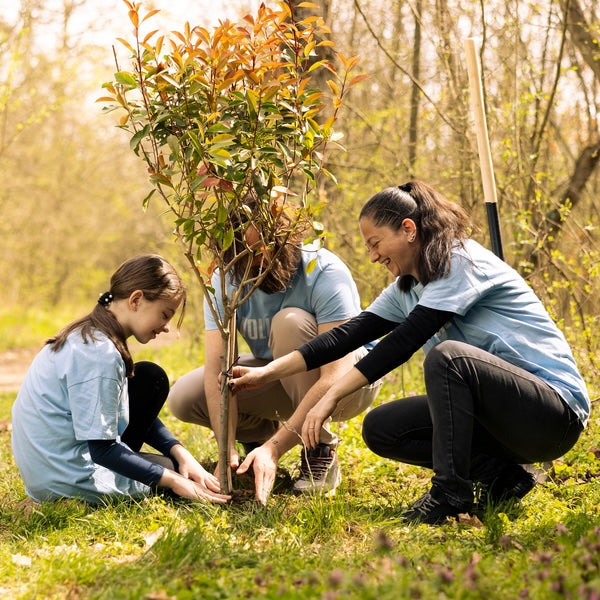
Tree Plantation for CSR - Corporate Environmental Programs | Grow Billion Trees
Tree Plantation for CSR - Transform Your Corporate Environmental ImpactTree plantation for...
-
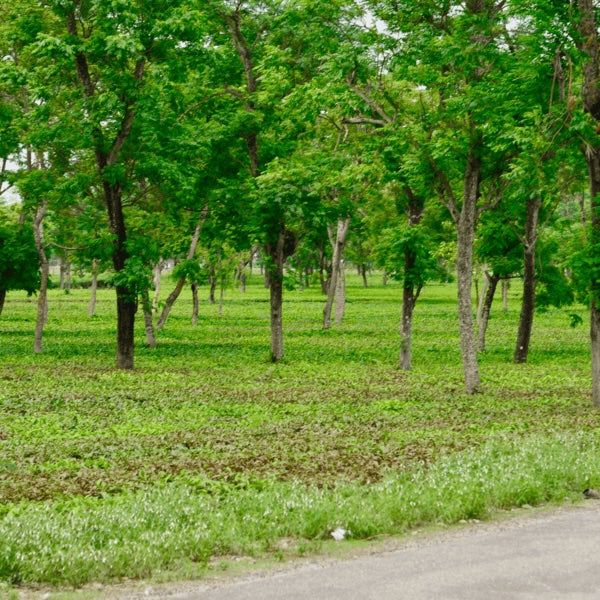
Tree Plantation for SDG - Support Sustainable Development Goals
Tree plantation for SDG initiatives represents a powerful pathway to achieving multiple...
-

Corporate Tree Plantation Programs - Sustainable ESG Environmental Solutions for Net Zero Targets
Transform your organization's environmental impact with our comprehensive Corporate Tree Plantation Programs...
-
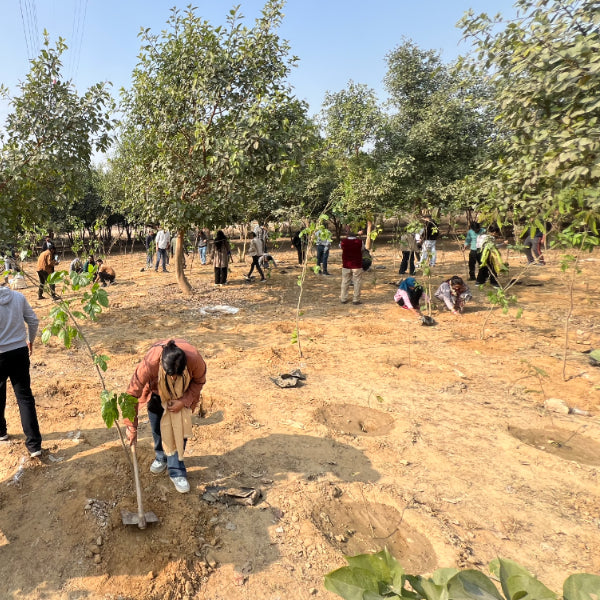
Tree Plantation by Location - Plant Trees Across India
Transform landscapes nationwide through our comprehensive tree plantation by location program. When...
Most Popular Tree Plantations - Top Choices for Environmental Impact
-
Trees for Mother
Regular price ₹ 299Regular priceUnit price per -
Trees to Honor the Memory of your Loved Ones
Regular price ₹ 299Regular priceUnit price per -
Trees for Wedding Anniversary Celebration
Regular price ₹ 299Regular priceUnit price per -
Trees for Grandmother
Regular price ₹ 299Regular priceUnit price per -
Trees for Grandfather
Regular price ₹ 299Regular priceUnit price per

Connect with us
-
👥 Corporates
If you are looking for:
- 🌲 Tree Plantation Events
- 📊 CSR Projects
📧 corporate@growbilliontrees.com
📞 +91 9699723523
💬 +91 9325931304 WhatsApp (Only)
🕒 Mon - Sat | 10am - 7pm IST
-
🧩 Tree Plantation NGOs
If you are looking for:
- 💰 Financial Assistance
- 🤝 Operational Support
📧 support@growbilliontrees.com
📞 +91 9699723523
💬 +91 9325931304 WhatsApp (Only)
🕒 Mon - Sat | 10am - 7pm IST
-
🌼 Individuals
If you are looking for:
- 👥 Group Tree Plantation Drive
- 🌳 Bulk Tree Plantation
📞 +91 9699723523
💬 +91 9325931304 WhatsApp (Only)
🕒 Mon - Sat | 10am - 7pm IST
