
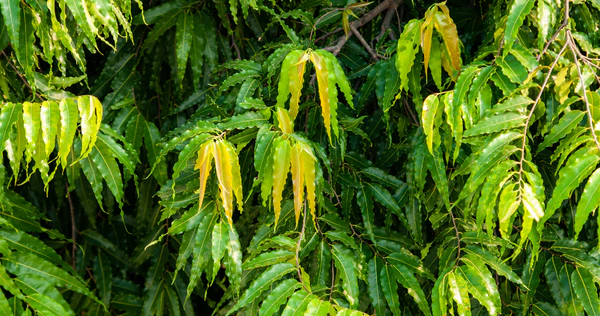
The Ashoka tree (Polyalthia longifolia) stands as one of India's most revered botanical treasures, embodying centuries of spiritual significance and feminine strength. Known as the "Tree of Sorrowless Joy," this magnificent species transcends its nat Read more
Trending Tree Plantations - Most Popular Environmental Programs
-
Trees for Mother
Regular price ₹ 299Regular priceUnit price per -
Trees to Honor the Memory of your Loved Ones
Regular price ₹ 299Regular priceUnit price per -
Trees for Women's Day (8th Mar)
Regular price ₹ 299Regular priceUnit price per -
Trees for Wedding Anniversary Celebration
Regular price ₹ 299Regular priceUnit price per -
Trees for Grandmother
Regular price ₹ 299Regular priceUnit price per





Trees for Corporates - Achieve Net Zero Targets Through Strategic Tree Planting
-
 Project Closed
Trees by LIFT Team for Green Diwali: Transform Your Festival
Regular price ₹ 299Regular priceUnit price per -
Trees for a Greener Tomorrow - by Mahindra Lifespaces
Regular price ₹ 299Regular priceUnit price per -
Trees for Environment Day: Plant Your Impact on June 5th
Regular price ₹ 299Regular priceUnit price per -
Trees for Employees: Transform Your Corporate Culture in 2026
Regular price ₹ 299Regular priceUnit price per -
 Project Closed
Trees for Bangalore: Plant Native Trees in Garden City ₹299
Regular price ₹ 799Regular priceUnit price per


Ashoka Tree: Sacred Symbol of Feminine Power & Spiritual Healing
The Ashoka tree (Polyalthia longifolia) stands as one of India's most revered botanical treasures, embodying centuries of spiritual significance and feminine strength. Known as the "Tree of Sorrowless Joy," this magnificent species transcends its natural beauty to become a living symbol of hope, endurance, and divine protection. From ancient temple courtyards to modern conservation efforts, the Ashoka tree continues to inspire millions while supporting our planet's ecological balance.
✅ Mythological Significance: The Tree That Witnessed History
In the immortal epic Ramayana, the Ashoka Vatika emerges as more than just a garden—it becomes a sanctuary of feminine resilience. This enchanted grove in Lanka, where Goddess Sita remained captive under Ravana's watch, witnessed her unwavering devotion and strength. Under the protective canopy of Ashoka trees, Hanuman first glimpsed the divine princess, marking a pivotal moment in Indian mythology.
The tree's connection to feminine power runs deeper than literature. According to the United Nations Sustainable Development Goals, preserving culturally significant trees like the Ashoka supports both environmental conservation and cultural heritage. Local legends across Tamil Nadu speak of women offering turmeric water and tying red threads around Ashoka trees, seeking blessings for fertility, marital harmony, and safe childbirth.
These sacred rituals reflect the tree's association with Yakshinis—benevolent female nature spirits believed to guard the Ashoka and bless devotees with strength and joy. This spiritual connection transforms every Ashoka tree into a living temple, where nature and divinity converge.
⭐ Sacred Pilgrimage: Following the Ramayana Trail
The most significant pilgrimage destination linked to the Ashoka tree lies in Nuwara Eliya, Sri Lanka, where the original Ashoka Vatika is believed to exist. This sacred site draws thousands of devotees annually, seeking to walk in Sita's footsteps and experience the divine energy that sustained her during captivity.
The comprehensive Ramayana Trail includes several remarkable locations:
- Seetha Amman Temple: Built adjacent to Ashoka Vatika, marking the exact spot where Sita offered daily prayers
- Sita's Sacred Footprints: Natural stone depressions near ancient Ashoka trees, preserved and worshipped by pilgrims
- Hanuman Hill: Elevated terrain where the devoted monkey warrior kept vigil, with protected Ashoka groves marking sacred boundaries
Modern pilgrims often report profound spiritual experiences beneath these ancient trees, describing feelings of peace and inner strength that mirror Sita's legendary patience and faith.
🛕 Temple Tourism: Sacred Groves Across India
Throughout India, Ashoka trees grace temple courtyards as living symbols of divine femininity and spiritual protection. These sacred groves form integral parts of major pilgrimage circuits, attracting devotees and nature lovers alike.
Kamakya Temple, Assam showcases magnificent Ashoka groves during the annual Ambubachi Mela, where the trees are revered as embodiments of fertility and feminine energy. Thousands of women gather here, believing the Ashoka's presence amplifies their prayers for children and family blessings.
At Meenakshi Temple in Madurai, carefully maintained Ashoka tree clusters create sacred gardens linked to Goddess Parvati's strength and compassion. The temple's inner courtyards feature these trees as natural prayer spaces, where devotees seek emotional healing and spiritual guidance.
The recreated Chhoti Ashok Vatika in Uttar Pradesh draws massive crowds during Navratri and Ram Navami festivals. This modern interpretation of the mythological garden allows visitors to connect with ancient stories while experiencing the Ashoka tree's calming presence.
💡 Environmental and Cultural Conservation
Beyond spiritual significance, the Ashoka tree plays a crucial role in environmental restoration and urban forestry. According to WWF's forest conservation initiatives, culturally significant trees like the Ashoka contribute to biodiversity preservation while maintaining traditional ecological knowledge.
These remarkable trees offer multiple environmental benefits:
- Air purification and carbon sequestration in urban environments
- Habitat creation for native bird species and beneficial insects
- Soil stabilization and erosion control in temple complexes
- Natural cooling through shade and transpiration
At Grow Billion Trees, we recognize the Ashoka tree's dual role as both environmental guardian and cultural treasure. Our 4ft Tree Planting + 3 Years Care + GeoTag program ensures these sacred trees receive proper nurturing while contributing to India's goal of planting 100 crore trees.
→ Modern Spiritual Tourism and Healing Practices
Contemporary spiritual seekers and eco-tourists increasingly seek authentic experiences with sacred trees like the Ashoka. This growing trend reflects humanity's deep need for connection with nature and ancient wisdom, especially in our rapidly urbanizing world.
Visitors to Ashoka tree sites often engage in meaningful practices:
- Meditation retreats beneath ancient Ashoka canopies, seeking the same inner peace that sustained Sita
- Photography pilgrimages documenting sacred groves and their cultural significance
- Botanical tours combining spiritual exploration with environmental education
- Wellness journeys incorporating tree-based healing therapies and forest bathing
Many report transformative experiences, describing the Ashoka tree's presence as profoundly calming and emotionally restorative. This aligns with growing scientific understanding of forest therapy and nature's healing power.
🌿 The Ashoka Tree's Role in Women's Empowerment
The Ashoka tree's association with feminine strength extends beyond mythology into contemporary women's empowerment movements. Across India, women's groups organize tree-planting ceremonies featuring Ashoka saplings, symbolically connecting environmental action with gender equality.
These initiatives reflect the tree's enduring message: like Sita's unwavering strength during adversity, women today draw inspiration from the Ashoka's resilience and beauty. The United Nations Environment Programme's forest conservation efforts recognize such cultural connections as vital for sustainable environmental protection.
Modern interpretations include:
- Community gardens featuring Ashoka trees as symbols of women's resilience
- Educational programs teaching young girls about environmental stewardship through mythological stories
- Corporate initiatives supporting women's participation in reforestation projects
⚠️ Conservation Challenges and Solutions
Despite their cultural significance, Ashoka trees face mounting pressures from urbanization and climate change. Protecting these sacred groves requires coordinated efforts combining traditional wisdom with modern conservation science.
Key challenges include:
- Habitat loss due to urban development and infrastructure projects
- Climate stress affecting tree health and reproductive success
- Limited awareness among younger generations about cultural significance
- Inadequate protection measures for temple and heritage groves
Solutions involve community engagement, scientific monitoring, and policy support. Organizations like Grow Billion Trees work to address these challenges through comprehensive tree care programs and cultural education initiatives.
🌳 Planting Ashoka Trees: A Sacred Act of Conservation
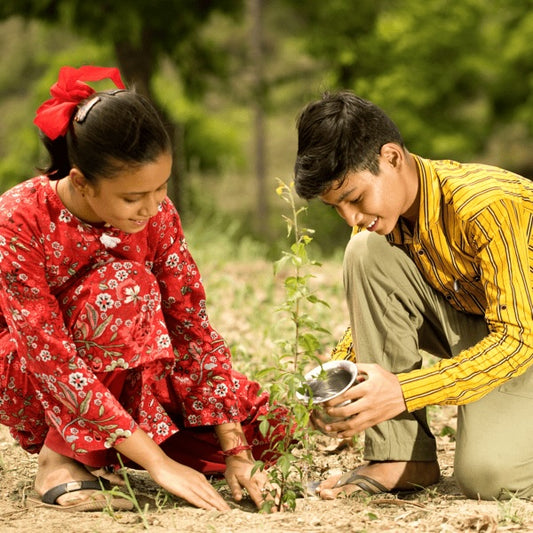
When you Plant a tree in your Name through our Ashoka tree program, you participate in an ancient tradition while supporting modern environmental goals. Each tree represents hope, feminine strength, and commitment to future generations.
Our specialized Ashoka tree planting program includes:
- Culturally appropriate site selection near temples and heritage locations
- Traditional blessing ceremonies honoring the tree's spiritual significance
- Long-term care ensuring healthy growth and cultural preservation
- Educational materials connecting environmental action with mythological heritage
This approach supports both Net Zero Targets and cultural conservation, demonstrating how environmental action can honor tradition while addressing contemporary challenges.
Frequently Asked Questions
What makes the Ashoka tree sacred in Hindu culture?
The Ashoka tree holds sacred status due to its prominent role in the Ramayana, where it provided shelter and witness to Goddess Sita's devotion during her captivity in Lanka. The tree symbolizes feminine strength, divine protection, and the triumph of good over evil, making it deeply revered in Hindu tradition.
Where can I visit authentic Ashoka Vatika sites?
The most authentic Ashoka Vatika experience is found in Nuwara Eliya, Sri Lanka, believed to be the original site from the Ramayana. In India, significant locations include Kamakya Temple in Assam, Meenakshi Temple in Madurai, and Chhoti Ashok Vatika in Uttar Pradesh.
Can I plant an Ashoka tree for spiritual purposes?
Yes, planting an Ashoka tree is considered highly auspicious and spiritually beneficial. Many devotees plant these trees to honor feminine divinity, seek blessings for family welfare, or create sacred spaces for meditation and prayer.
What are the environmental benefits of Ashoka trees?
Ashoka trees provide excellent air purification, carbon sequestration, and urban cooling. They support biodiversity, prevent soil erosion, and create habitat for native wildlife while requiring minimal water once established.
How do women traditionally worship Ashoka trees?
Traditional practices include tying red threads or bangles on branches, offering turmeric water and flowers, and praying for fertility, marital happiness, and children's welfare. Many women also meditate beneath Ashoka trees seeking emotional strength and spiritual guidance.
Are Ashoka trees suitable for urban planting?
Yes, Ashoka trees adapt well to urban environments and are excellent choices for temple courtyards, parks, and residential areas. They tolerate pollution, require moderate water, and provide beautiful year-round foliage.
What is the significance of the name "Sorrowless Joy"?
The name reflects the tree's spiritual power to transform sorrow into joy, as demonstrated in the Ramayana where Sita found strength and hope beneath its branches despite her suffering. The tree represents the triumph of inner peace over external adversity.
How can I participate in Ashoka tree conservation?
You can support Ashoka tree conservation by participating in temple grove restoration projects, planting trees through certified programs like Grow Billion Trees, educating others about their cultural significance, and supporting organizations working to protect sacred groves.
🌺 Embracing the Sacred Legacy Through Action
The Ashoka tree stands as a timeless bridge between ancient wisdom and contemporary environmental action. Its branches carry stories of divine feminine strength while its roots anchor hope for a sustainable future. By honoring this sacred tree through conservation and cultural preservation, we ensure that future generations can experience its profound spiritual and ecological gifts.
As we work toward Combating Climate Change Through Collective Action, the Ashoka tree reminds us that environmental stewardship and spiritual growth are inseparable journeys. Each tree planted becomes a living prayer, each grove protected a sanctuary for both nature and the human spirit.
Join our mission to preserve these sacred symbols while building a greener tomorrow. Plant an Ashoka tree today and become part of this ancient yet urgent story of hope, healing, and environmental restoration.
You may also like
-

Gift a Tree - Meaningful Environmental Gifts That Make a Difference
Transform your gift-giving with meaningful environmental gifts that create lasting impact for...
-
Trees For Shiv Ji - Sacred Tree Planting to Honor Lord Shiva
Honor Lord Shiva through sacred tree planting with Trees For Shiv Ji,...
-

Tree Plantations for Shri Ram - Sacred Devotional Planting Services
Honor Lord Shri Ram through meaningful tree plantations for Shri Ram that...
-
Tree Plantation on Navratri - Celebrate Divine Festivals with Environmental Devotion
Tree plantation on Navratri transforms the sacred nine-day festival into a powerful...
-
Tree Plantation by Cause - Plant Trees for Every Purpose | Grow Billion Trees
Transform your environmental impact with purpose-driven tree plantation by cause programs that...
Corporate Plantations
-
Trees for Corporates - Achieve Net Zero Targets Through Strategic Tree Planting
Trees for Corporates - Strategic Environmental SolutionsTransform your corporate environmental impact with...
-

Tree Plantation for CSR - Corporate Environmental Programs | Grow Billion Trees
Tree Plantation for CSR - Transform Your Corporate Environmental ImpactTree plantation for...
-
Tree Plantation for SDG - Support Sustainable Development Goals
Tree plantation for SDG initiatives represents a powerful pathway to achieving multiple...
-

Corporate Tree Plantation Programs - Sustainable ESG Environmental Solutions for Net Zero Targets
Transform your organization's environmental impact with our comprehensive Corporate Tree Plantation Programs...
-
Tree Plantation by Location - Plant Trees Across India
Transform landscapes nationwide through our comprehensive tree plantation by location program. When...
Most Popular Tree Plantations - Top Choices for Environmental Impact
-
Trees for Mother
Regular price ₹ 299Regular priceUnit price per -
Trees to Honor the Memory of your Loved Ones
Regular price ₹ 299Regular priceUnit price per -
Trees for Wedding Anniversary Celebration
Regular price ₹ 299Regular priceUnit price per -
Trees for Grandmother
Regular price ₹ 299Regular priceUnit price per -
Trees for Grandfather
Regular price ₹ 299Regular priceUnit price per

Connect with us
-
👥 Corporates
If you are looking for:
- 🌲 Tree Plantation Events
- 📊 CSR Projects
📧 corporate@growbilliontrees.com
📞 +91 9699723523
💬 +91 9325931304 WhatsApp (Only)
🕒 Mon - Sat | 10am - 7pm IST
-
🧩 Tree Plantation NGOs
If you are looking for:
- 💰 Financial Assistance
- 🤝 Operational Support
📧 support@growbilliontrees.com
📞 +91 9699723523
💬 +91 9325931304 WhatsApp (Only)
🕒 Mon - Sat | 10am - 7pm IST
-
🌼 Individuals
If you are looking for:
- 👥 Group Tree Plantation Drive
- 🌳 Bulk Tree Plantation
📞 +91 9699723523
💬 +91 9325931304 WhatsApp (Only)
🕒 Mon - Sat | 10am - 7pm IST
