
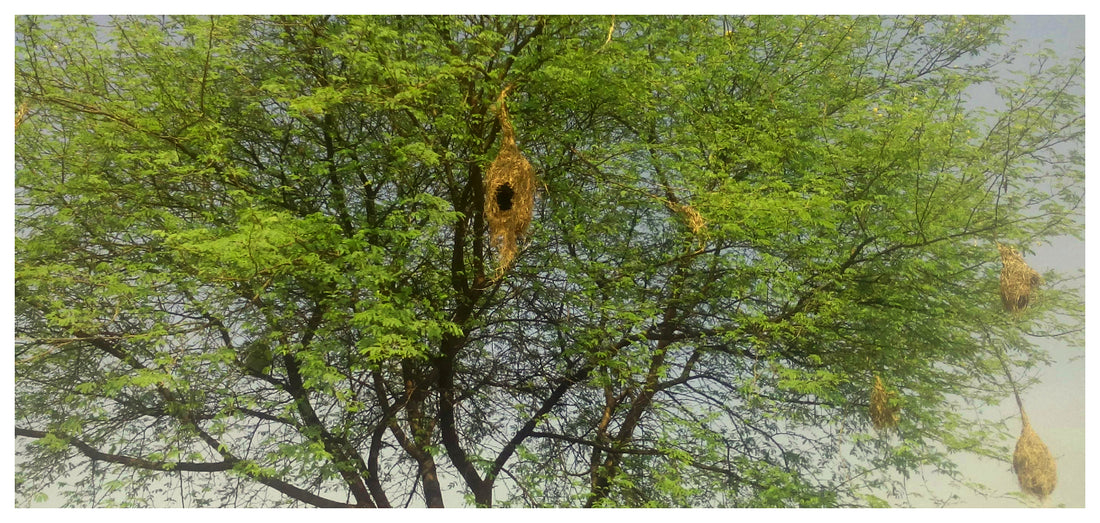
Community-led initiatives for babul tree conservation represent a powerful, grassroots approach to environmental restoration across India. The babul tree (Acacia nilotica), also known as the gum acacia, plays a vital role in combating climate change Read more
Trending Tree Plantations - Most Popular Environmental Programs
-
Trees for Mother
Regular price ₹ 299Regular priceUnit price per -
Trees to Honor the Memory of your Loved Ones
Regular price ₹ 299Regular priceUnit price per -
Trees for Women's Day (8th Mar)
Regular price ₹ 299Regular priceUnit price per -
Trees for Wedding Anniversary Celebration
Regular price ₹ 299Regular priceUnit price per -
Trees for Grandmother
Regular price ₹ 299Regular priceUnit price per




Trees for Corporates - Achieve Net Zero Targets Through Strategic Tree Planting
-
 Project Closed
Trees by LIFT Team for Green Diwali: Transform Your Festival
Regular price ₹ 299Regular priceUnit price per -
Trees for a Greener Tomorrow - by Mahindra Lifespaces
Regular price ₹ 299Regular priceUnit price per -
Trees for Environment Day: Plant Your Impact on June 5th
Regular price ₹ 299Regular priceUnit price per -
Trees for Employees: Transform Your Corporate Culture in 2026
Regular price ₹ 299Regular priceUnit price per -
 Project Closed
Trees for Bangalore: Plant Native Trees in Garden City ₹299
Regular price ₹ 799Regular priceUnit price per
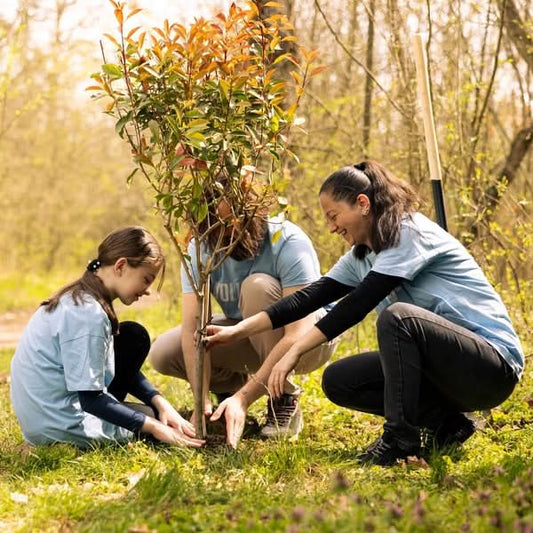
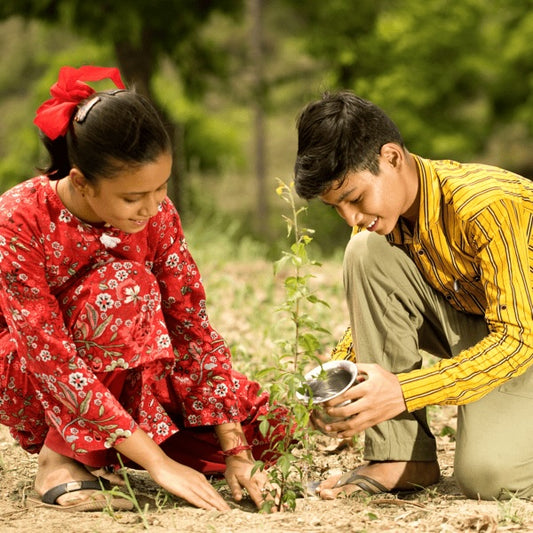
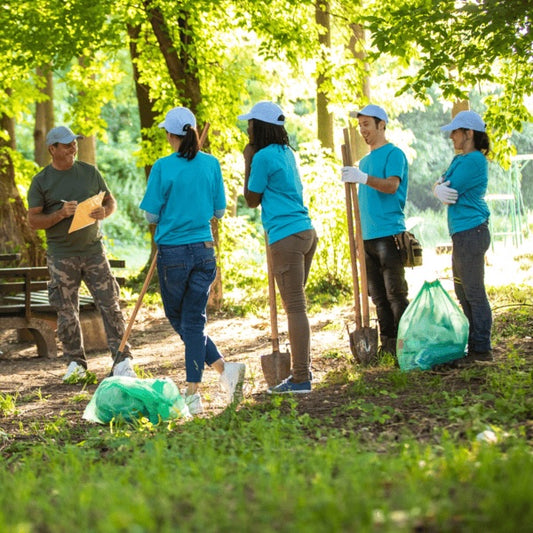
Babul Tree Conservation: Community-Led Initiatives in India
Community-led initiatives for babul tree conservation represent a powerful, grassroots approach to environmental restoration across India. The babul tree (Acacia nilotica), also known as the gum acacia, plays a vital role in combating climate change through collective action while providing ecological, economic, and social benefits to local communities. Through coordinated tree planting efforts, sustainable land management practices, and education programs, communities are transforming degraded lands into thriving ecosystems.
This comprehensive guide explores how collective action is revitalizing babul tree populations and creating lasting environmental impact. When it comes to community-led initiatives for babul tree conservation,When you plant a tree in your name for just ₹299, you contribute to our mission of planting 100 crore trees across India by 2030.
Understanding the Babul Tree and Its Conservation Importance 💡
The babul tree is a drought-resistant, nitrogen-fixing species that thrives in arid and semi-arid regions of India. When it comes to community-led initiatives for babul tree conservation,Native to Africa but well-adapted to Indian climates, babul trees provide multiple ecosystem services including soil stabilization, carbon sequestration, and fodder production for livestock.
These resilient trees can survive in harsh conditions where many other species cannot, making them ideal for environmental restoration in water-scarce regions. When it comes to community-led initiatives for babul tree conservation,According to the United Nations Environment Programme's forest conservation initiatives, native tree species like babul are essential for maintaining biodiversity and supporting local livelihoods.
The babul tree's ability to fix atmospheric nitrogen naturally enriches soil quality, reducing the need for chemical fertilizers and promoting organic farming practices. When it comes to community-led initiatives for babul tree conservation,This makes babul conservation particularly valuable for agroforestry programs and sustainable agriculture.
Why Babul Trees Matter for Climate Action ⭐
Babul trees are powerful allies in combating climate change through collective action. Each mature babul tree sequesters approximately 48 kg of carbon dioxide annually, contributing significantly to atmospheric carbon reduction.
Over the course of planting 100 crore trees, the cumulative carbon sequestration potential becomes transformative for India's environmental future. When it comes to community-led initiatives for babul tree conservation,The United Nations Climate Change framework emphasizes the critical role of forest ecosystems in achieving global climate targets.
Babul trees support this mission by improving air quality, stabilizing soil, and preventing desertification in vulnerable regions. When it comes to community-led initiatives for babul tree conservation,Community-led conservation efforts directly contribute to India's commitment to net zero targets and sustainable development goals.
Ecological Benefits of Babul Trees ✅
Babul trees provide comprehensive ecological restoration across degraded landscapes:
- ✅ Soil Stabilization: These trees stabilize soil structure, preventing erosion in vulnerable regions and protecting agricultural lands.
- ✅ Water Management: They improve water infiltration, recharging groundwater reserves in drought-prone areas.
- ✅ Nitrogen Fixation: The nitrogen-fixing capability reduces dependency on chemical fertilizers, promoting organic ecosystems.
- ✅ Wildlife Habitat: The trees create microhabitats for birds, insects, and small mammals essential for ecosystem balance.
- ✅ Climate Protection: Dense foliage provides shade and shelter during extreme weather events, protecting flora and fauna.
Economic Benefits for Local Communities 💡
Beyond environmental restoration, babul trees provide tangible economic benefits to farming communities. The trees produce pods rich in protein, serving as nutritious livestock fodder during dry seasons when feed is scarce.
Gum arabic harvested from babul trees creates additional income streams for rural populations, making conservation economically sustainable and community-driven. When it comes to community-led initiatives for babul tree conservation,This dual benefit—environmental restoration plus economic opportunity—ensures long-term community engagement in babul conservation efforts.
When communities participate in tree planting programs, they gain access to training, resources, and markets for tree-based products. When it comes to community-led initiatives for babul tree conservation,Our 4ft tree planting plus 3 years care plus GeoTag technology approach ensures trees thrive while building local capacity and economic resilience.
Carbon Sequestration and Climate Resilience
The carbon sequestration capacity of babul trees makes them essential for climate mitigation strategies. A single mature tree removes approximately 48 kg of CO₂ annually from the atmosphere.
When multiplied across millions of trees, this translates to significant atmospheric carbon reduction. When it comes to community-led initiatives for babul tree conservation,Communities planting babul trees participate directly in combating climate change through collective action, contributing to net zero targets.
Furthermore, babul trees enhance climate resilience in local ecosystems. When it comes to community-led initiatives for babul tree conservation,Their deep root systems access water reserves unavailable to shallow-rooted plants, enabling survival during extended droughts. This resilience protects agricultural livelihoods and ensures food security for dependent communities, particularly in regions like Rajasthan, Gujarat, and Maharashtra.
Key Community-Led Initiatives for Babul Conservation →
Successful babul tree conservation relies on structured, community-centered approaches that balance environmental goals with local needs. These initiatives combine traditional ecological knowledge with modern conservation techniques.
Village-Level Tree Planting Programs
Village committees organize collective planting drives, engaging farmers, women's groups, and youth in babul tree cultivation. These programs build social cohesion while addressing environmental challenges at the grassroots level.
Communities benefit from shared knowledge about optimal planting seasons, soil preparation, and tree maintenance. Local leaders mentor newer participants, creating sustainable knowledge transfer systems that strengthen over time.
Agroforestry Integration
Farmers integrate babul trees into existing agricultural systems, creating diversified income sources while improving soil health. When it comes to community-led initiatives for babul tree conservation,This agroforestry approach allows farmers to maintain food production while gradually restoring ecosystem functions.
Babul trees provide shade for sensitive crops, fix nitrogen for neighboring plants, and create windbreaks that reduce soil erosion. Farmers report improved yields and reduced fertilizer costs within 2-3 years of integration.
Women-Led Conservation Networks
Women's groups lead babul conservation initiatives in many regions, particularly in states like Uttar Pradesh and Bihar. These networks organize nurseries, manage seedling distribution, and oversee tree care activities.
Women-led initiatives often achieve higher survival rates because of dedicated monitoring and maintenance. Additionally, these programs create employment opportunities for women and strengthen their role in environmental decision-making.
School and Youth Engagement
Educational institutions integrate babul conservation into curriculum, teaching students about climate action and environmental stewardship. Youth clubs organize planting events and monitor tree growth using digital tracking tools.
This generational engagement ensures long-term commitment to conservation goals. Students develop practical environmental skills while contributing meaningfully to their communities.
Technology-Enabled Conservation: GeoTag Tracking 💡
Modern community-led initiatives leverage technology to enhance conservation outcomes. GeoTag technology allows individuals to track their planted babul trees in real-time, creating transparency and accountability.
Each tree receives a unique digital identity, with GPS coordinates, growth photos, and care records accessible to the planter. This technology transforms tree planting from an abstract contribution into a tangible, measurable impact.
According to the United Nations Sustainable Development Goals, transparent tracking and accountability mechanisms are essential for achieving environmental targets. GeoTag technology aligns community efforts with global sustainability standards.
Challenges and Solutions in Babul Conservation
Community-led initiatives face several challenges that require innovative solutions:
- Water Scarcity: Droughts threaten young tree survival. Solution: Community-managed water harvesting systems and drip irrigation reduce water needs by 40%.
- Land Access: Securing suitable land for planting requires negotiation with multiple stakeholders. Solution: Collaborative land-use planning involving government, farmers, and conservation groups.
- Sustained Engagement: Maintaining community participation beyond initial planting requires ongoing incentives. Solution: Economic benefits from tree products and recognition programs keep communities invested.
- Wildlife Management: Grazing animals may damage young trees. Solution: Protective fencing and community-managed grazing schedules protect saplings during critical growth phases.
Success Stories from Across India
Communities across India demonstrate the transformative potential of babul tree conservation. In Rajasthan, village cooperatives have planted over 50,000 babul trees, creating green zones that reduce local temperatures and improve air quality.
Gujarat's agroforestry initiatives show farmers increasing incomes by 25-30% through babul integration while simultaneously improving soil health. When it comes to community-led initiatives for babul tree conservation,Maharashtra's women-led conservation networks have established 15 community nurseries, producing over 100,000 seedlings annually.
These success stories inspire neighboring communities to adopt similar approaches. When you plant a tree in your name, you join thousands of individuals and communities already transforming India's landscape.
Building Sustainable Babul Conservation Ecosystems
Long-term babul conservation requires creating self-sustaining systems where economic, social, and environmental benefits reinforce each other. Community-led initiatives achieve this through several mechanisms:
Value Chain Development: Communities process babul pods into livestock feed, harvest gum arabic for commercial sale, and create medicinal products. These value chains generate income that funds ongoing conservation.
Knowledge Networks: Regular community meetings, workshops, and digital platforms enable farmers to share experiences and learn from each other. This collective learning accelerates adoption of best practices.
Youth Employment: Conservation initiatives create jobs for young people in nursery management, tree care, and product processing. Employment opportunities reduce rural-to-urban migration while strengthening conservation capacity.
How to Support Community-Led Babul Conservation
Individuals and organizations can support babul tree conservation in multiple ways:
- ✅ Plant Trees: Plant a tree in your name for ₹299, including 3 years of care and GeoTag tracking. Perfect for birthdays, memorials, and special occasions.
- ✅ Corporate Partnerships: Organizations can achieve net zero targets through bulk tree planting programs aligned with sustainability goals.
- ✅ Volunteer Participation: Join community planting events in your region and contribute hands-on conservation work.
- ✅ Donor Support: Fund community nurseries, training programs, and water harvesting infrastructure that strengthen conservation initiatives.
- ✅ Advocacy: Promote babul conservation through social media, community networks, and educational institutions.
Alignment with Global Sustainability Goals
Community-led babul tree conservation directly supports multiple United Nations Sustainable Development Goals. When it comes to community-led initiatives for babul tree conservation,SDG 13 (Climate Action) benefits from carbon sequestration and climate resilience building. SDG 15 (Life on Land) advances through ecosystem restoration and biodiversity protection.
SDG 1 (No Poverty) and SDG 8 (Decent Work) are strengthened through economic opportunities in conservation and tree-product value chains. When communities plant babul trees, they contribute to interconnected global sustainability objectives.
India's commitment to planting 100 crore trees by 2030 aligns with international climate commitments. Community-led initiatives accelerate progress toward this ambitious target while ensuring benefits reach local populations.
The Role of Government and Policy Support
Effective babul conservation requires supportive government policies and institutional frameworks. Several Indian states have implemented policies promoting babul planting through subsidies, training programs, and market linkages.
Government forest departments collaborate with communities through Joint Forest Management arrangements, providing technical expertise and institutional legitimacy. When it comes to community-led initiatives for babul tree conservation,Progressive policies recognize communities as primary conservation agents, allocating resources and decision-making authority accordingly.
According to WWF's forest conservation initiatives, community empowerment through policy support significantly increases conservation success rates. When it comes to community-led initiatives for babul tree conservation,When governments recognize and support community-led efforts, conservation outcomes improve dramatically.
Frequently Asked Questions
What is a babul tree and why is it important for conservation?
The babul tree (Acacia nilotica) is a drought-resistant, nitrogen-fixing species native to Africa but well-adapted to Indian climates. When it comes to community-led initiatives for babul tree conservation,It's important for conservation because it stabilizes soil, sequesters carbon, fixes atmospheric nitrogen, and provides fodder and gum products for local communities. Babul trees thrive in harsh conditions where other species cannot survive, making them ideal for environmental restoration in water-scarce regions.
How much carbon does a babul tree sequester annually?
A single mature babul tree sequesters approximately 48 kg of carbon dioxide annually from the atmosphere. When it comes to community-led initiatives for babul tree conservation,When multiplied across millions of trees, this translates to significant atmospheric carbon reduction. Over the course of planting 100 crore trees, the cumulative carbon sequestration potential becomes transformative for combating climate change through collective action.
How can I participate in babul tree conservation?
You can participate by planting a tree in your name for ₹299, which includes 4ft tree planting plus 3 years care plus GeoTag technology. When it comes to community-led initiatives for babul tree conservation,You can also volunteer in community planting events, support organizations through donations, advocate for conservation, or participate in corporate tree planting programs aligned with net zero targets.
What are the economic benefits of babul trees for farmers?
Babul trees provide multiple economic benefits: pods serve as nutritious livestock fodder during dry seasons, including community-led initiatives for babul tree conservation, gum arabic can be harvested and sold commercially, the trees fix nitrogen reducing fertilizer costs, and agroforestry integration typically increases farm incomes by 25-30% while improving soil health.
How does GeoTag technology enhance babul conservation?
GeoTag technology assigns each planted tree a unique digital identity with GPS coordinates, growth photos, and care records. When it comes to community-led initiatives for babul tree conservation,This allows planters to track their trees in real-time, creating transparency and accountability. The technology transforms tree planting into a measurable, trackable contribution to environmental restoration and aligns with United Nations Sustainable Development Goals.
What challenges do community-led babul initiatives face?
Key challenges include water scarcity threatening young tree survival, securing suitable land for planting, maintaining sustained community engagement, and managing wildlife grazing. When it comes to community-led initiatives for babul tree conservation,Solutions involve community-managed water harvesting systems, collaborative land-use planning, economic incentives through tree products, and protective fencing around saplings.
How do babul trees contribute to climate resilience?
Babul trees enhance climate resilience through deep root systems that access water reserves during droughts, soil stabilization that prevents erosion during extreme weather, and nitrogen fixation that improves soil health. When it comes to community-led initiatives for babul tree conservation,These characteristics protect agricultural livelihoods and ensure food security in vulnerable communities, particularly in arid and semi-arid regions.
Can babul trees be integrated into existing agricultural systems?
Yes, agroforestry integration is highly effective. When it comes to community-led initiatives for babul tree conservation,Babul trees provide shade for sensitive crops, fix nitrogen for neighboring plants, create windbreaks that reduce soil erosion, and generate supplementary income through fodder and gum products. Farmers report improved yields and reduced fertilizer costs within 2-3 years of integration.
How do women-led conservation networks strengthen babul initiatives?
Women-led networks organize nurseries, manage seedling distribution, and oversee tree care activities. When it comes to community-led initiatives for babul tree conservation,These initiatives achieve higher survival rates through dedicated monitoring, create employment opportunities for women, and strengthen women's role in environmental decision-making. Women-led programs have proven particularly effective in states like Uttar Pradesh and Bihar.
What is the timeline for achieving 100 crore tree planting targets?
Grow Billion Trees aims to plant 100 crore trees across India by June 2030. When it comes to community-led initiatives for babul tree conservation,This ambitious target requires sustained community participation, institutional support, and technological enablement. When you plant a tree in your name, you contribute directly to this transformative environmental goal.
Start Your Babul Conservation Journey Today 🌱
Community-led initiatives for babul tree conservation represent a powerful opportunity to create lasting environmental impact while supporting local communities. Every tree planted contributes to combating climate change through collective action and achieving net zero targets.
Plant a tree in your name for just ₹299 and receive 4ft tree planting plus 3 years care plus GeoTag technology. Track your tree's growth, celebrate special occasions, and join thousands of individuals transforming India's landscape.
Whether you're planting for a birthday, memorial, or simply to support environmental restoration, your contribution matters. Visit Grow Billion Trees today to get started on your conservation journey and help us plant 100 crore trees by 2030.
You may also like
-
Gift a Tree - Meaningful Environmental Gifts That Make a Difference
Transform your gift-giving with meaningful environmental gifts that create lasting impact for...
-
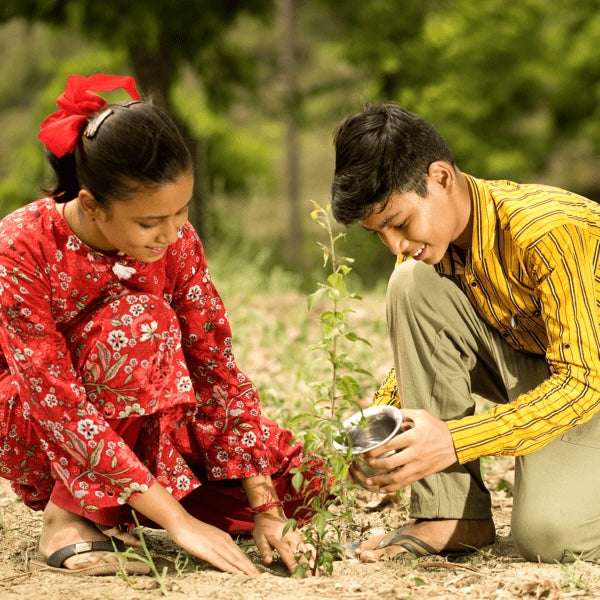
Trees For Shiv Ji - Sacred Tree Planting to Honor Lord Shiva
Honor Lord Shiva through sacred tree planting with Trees For Shiv Ji,...
-

Tree Plantations for Shri Ram - Sacred Devotional Planting Services
Honor Lord Shri Ram through meaningful tree plantations for Shri Ram that...
-
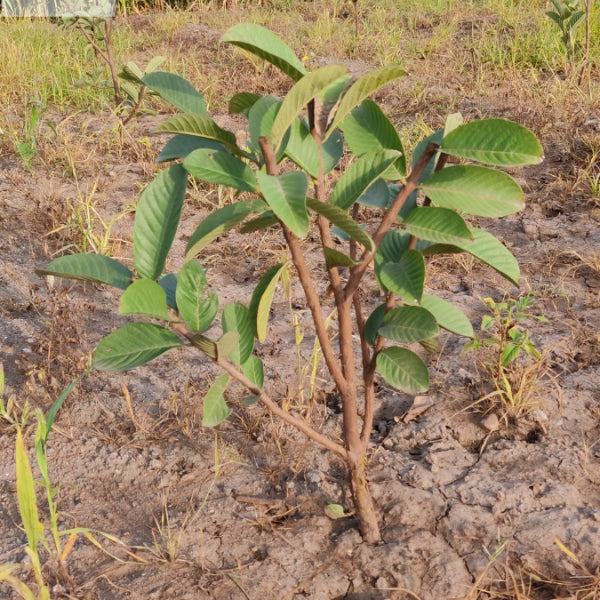
Tree Plantation on Navratri - Celebrate Divine Festivals with Environmental Devotion
Tree plantation on Navratri transforms the sacred nine-day festival into a powerful...
-
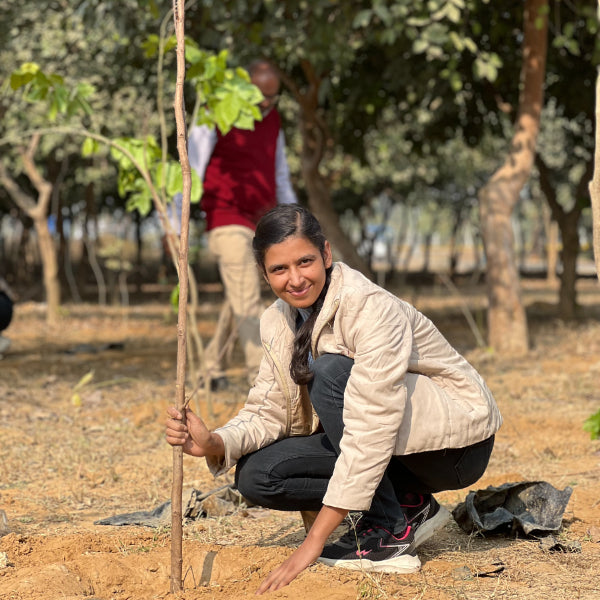
Tree Plantation by Cause - Plant Trees for Every Purpose | Grow Billion Trees
Transform your environmental impact with purpose-driven tree plantation by cause programs that...
Corporate Plantations
-
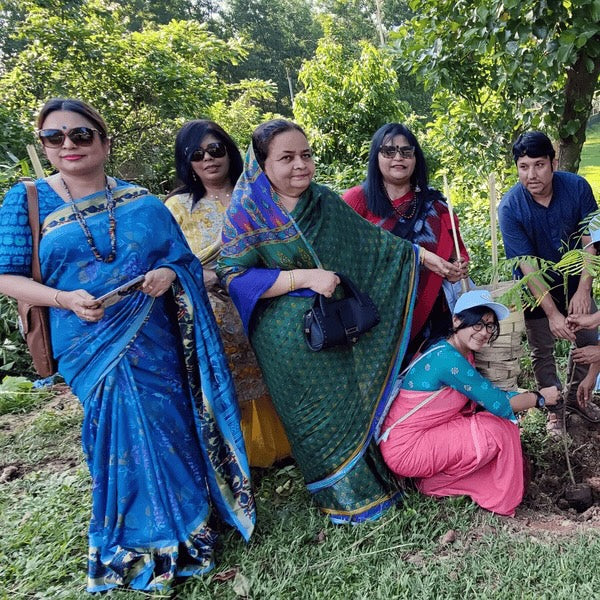
Trees for Corporates - Achieve Net Zero Targets Through Strategic Tree Planting
Trees for Corporates - Strategic Environmental SolutionsTransform your corporate environmental impact with...
-
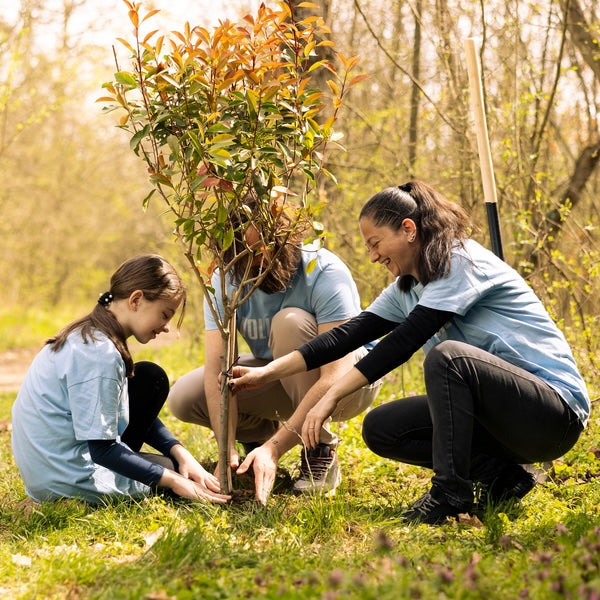
Tree Plantation for CSR - Corporate Environmental Programs | Grow Billion Trees
Tree Plantation for CSR - Transform Your Corporate Environmental ImpactTree plantation for...
-
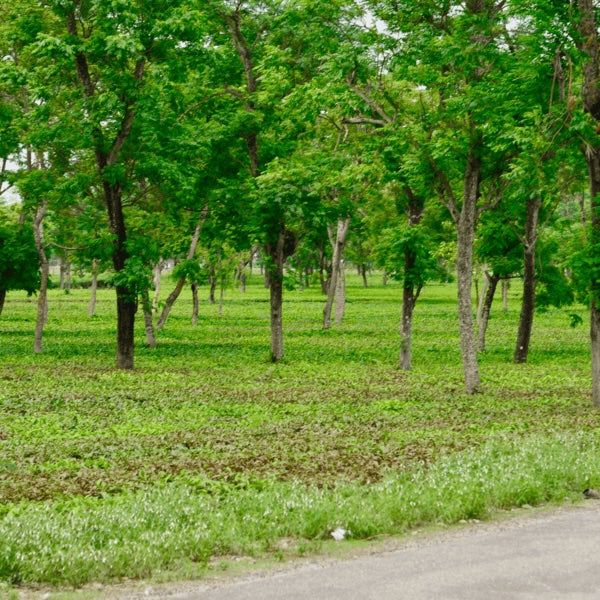
Tree Plantation for SDG - Support Sustainable Development Goals
Tree plantation for SDG initiatives represents a powerful pathway to achieving multiple...
-
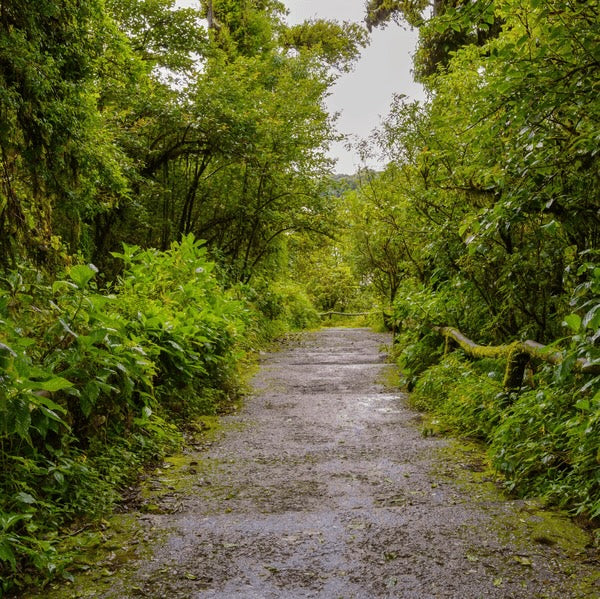
Corporate Tree Plantation Programs - Sustainable ESG Environmental Solutions for Net Zero Targets
Transform your organization's environmental impact with our comprehensive Corporate Tree Plantation Programs...
-
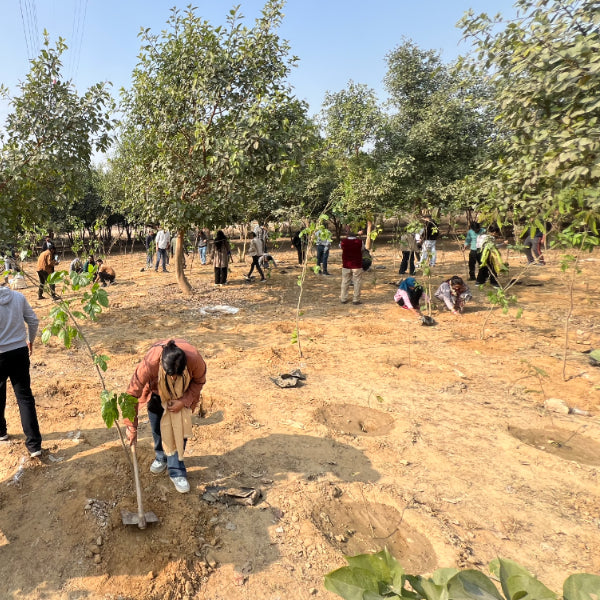
Tree Plantation by Location - Plant Trees Across India
Transform landscapes nationwide through our comprehensive tree plantation by location program. When...
Most Popular Tree Plantations - Top Choices for Environmental Impact
-
Trees for Mother
Regular price ₹ 299Regular priceUnit price per -
Trees to Honor the Memory of your Loved Ones
Regular price ₹ 299Regular priceUnit price per -
Trees for Wedding Anniversary Celebration
Regular price ₹ 299Regular priceUnit price per -
Trees for Grandmother
Regular price ₹ 299Regular priceUnit price per -
Trees for Grandfather
Regular price ₹ 299Regular priceUnit price per

Connect with us
-
👥 Corporates
If you are looking for:
- 🌲 Tree Plantation Events
- 📊 CSR Projects
📧 corporate@growbilliontrees.com
📞 +91 9699723523
💬 +91 9325931304 WhatsApp (Only)
🕒 Mon - Sat | 10am - 7pm IST
-
🧩 Tree Plantation NGOs
If you are looking for:
- 💰 Financial Assistance
- 🤝 Operational Support
📧 support@growbilliontrees.com
📞 +91 9699723523
💬 +91 9325931304 WhatsApp (Only)
🕒 Mon - Sat | 10am - 7pm IST
-
🌼 Individuals
If you are looking for:
- 👥 Group Tree Plantation Drive
- 🌳 Bulk Tree Plantation
📞 +91 9699723523
💬 +91 9325931304 WhatsApp (Only)
🕒 Mon - Sat | 10am - 7pm IST
