
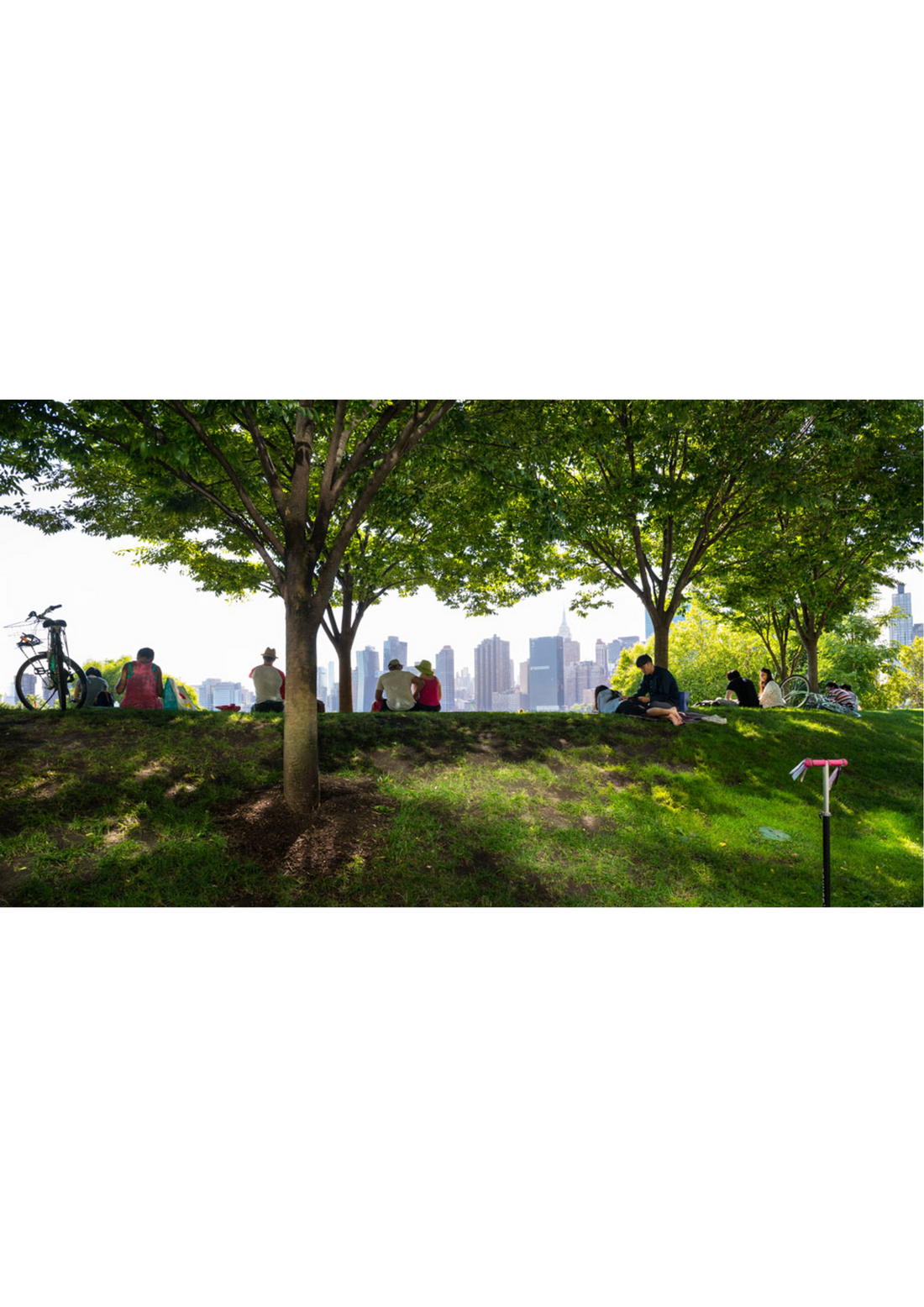
Trees are nature's most powerful air purification system, actively removing harmful pollutants from our atmosphere while producing the oxygen we breathe. Through sophisticated biological processes, these green guardians filter out particulate matter, Read more
Trending Tree Plantations - Most Popular Environmental Programs
-
Trees for Mother
Regular price ₹ 299Regular priceUnit price per -
Trees to Honor the Memory of your Loved Ones
Regular price ₹ 299Regular priceUnit price per -
Trees for Women's Day (8th Mar)
Regular price ₹ 299Regular priceUnit price per -
Trees for Wedding Anniversary Celebration
Regular price ₹ 299Regular priceUnit price per -
Trees for Grandmother
Regular price ₹ 299Regular priceUnit price per



Trees for Corporates - Achieve Net Zero Targets Through Strategic Tree Planting
-
 Project Closed
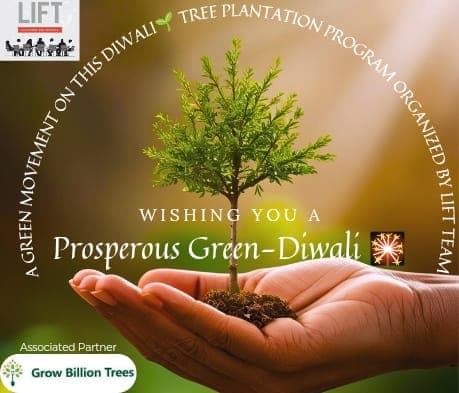
Trees by LIFT Team for Green Diwali: Transform Your Festival
Regular price ₹ 299Regular priceUnit price per -
Trees for a Greener Tomorrow - by Mahindra Lifespaces
Regular price ₹ 299Regular priceUnit price per -
Trees for Environment Day: Plant Your Impact on June 5th
Regular price ₹ 299Regular priceUnit price per -
Trees for Employees: Transform Your Corporate Culture in 2026
Regular price ₹ 299Regular priceUnit price per -
 Project Closed
Trees for Bangalore: Plant Native Trees in Garden City ₹299
Regular price ₹ 799Regular priceUnit price per
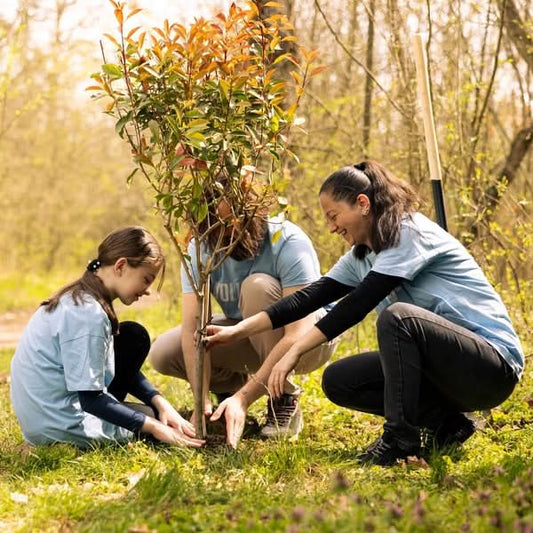
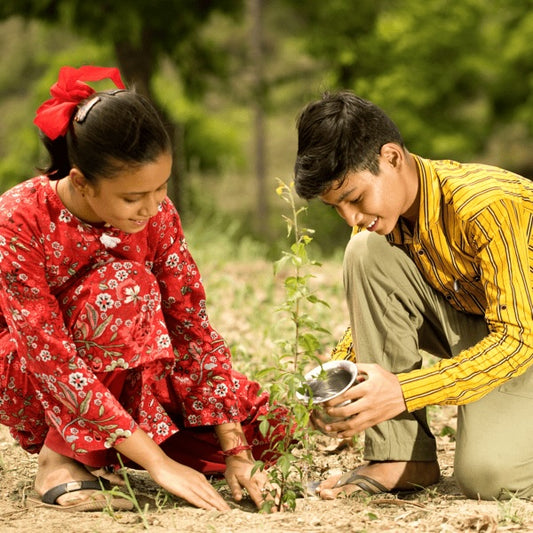
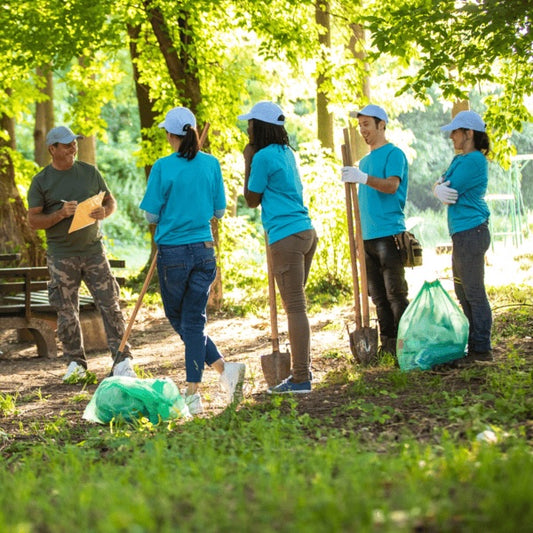
How Trees Tackle Common Air Pollutants: Natural Air Purifiers
Trees are nature's most powerful air purification system, actively removing harmful pollutants from our atmosphere while producing the oxygen we breathe. Through sophisticated biological processes, these green guardians filter out particulate matter, nitrogen dioxide, and ozone, making them essential allies in combating climate change and protecting human health.
Understanding the Enemies: Common Air Pollutants ⚠️
In the hustle and bustle of our daily lives, the air we breathe often goes unnoticed. Yet, its quality is intricately linked to our well-being. Before we appreciate how trees tackle common air pollutants, let's identify the primary threats to our respiratory health.
Particulate Matter (PM2.5 and PM10) consists of tiny particles suspended in the air that can penetrate deep into our lungs. These microscopic particles originate from vehicle emissions, industrial processes, and construction activities.
Nitrogen Dioxide (NO2) primarily comes from vehicle exhaust and power plants, causing respiratory inflammation and reduced lung function. Ground-level Ozone forms when nitrogen oxides react with volatile organic compounds in sunlight, creating smog that irritates airways.
According to the United Nations Climate Change initiative, air pollution causes approximately 7 million premature deaths annually worldwide, making clean air solutions more critical than ever.
The Tree Arsenal: Nature's Defense Mechanism ✅
Enter trees, the unsung heroes of clean air. These silent giants act as natural filters, absorbing and neutralizing harmful substances through a remarkable process called phytoremediation. Trees have evolved sophisticated mechanisms to combat pollution, making them essential allies in the fight for better air quality.
Tree leaves function as living filters, with their waxy surfaces and microscopic pores trapping pollutants from the air. The stomata (leaf pores) absorb gaseous pollutants, while the leaf surface captures particulate matter. This natural filtration system operates 24/7, continuously cleaning our atmosphere.
A single mature tree can absorb 22 kilograms of carbon dioxide annually while producing enough oxygen for two people. This incredible capacity demonstrates why Plant a tree in your Name initiatives are crucial for creating healthier communities.
Trees in Action: Combatting Particulate Matter and Producing Oxygen 💡
Particulate matter poses a significant threat to respiratory health, but trees provide an effective natural solution. With their intricate foliage, trees trap and reduce levels of these harmful particles, acting as nature's air purifiers.
Research shows that urban trees can reduce particulate matter concentrations by up to 60% in their immediate vicinity. The complex structure of tree canopies creates turbulence that helps settle particles, while leaf surfaces act as collection points for airborne contaminants.
During photosynthesis, trees release oxygen as a vital byproduct that supports our respiratory systems. This process not only removes carbon dioxide from the atmosphere but also generates the clean air we need to thrive. The United Nations Environment Programme highlights forests as critical carbon sinks that help regulate global climate patterns.
Specific Pollutant Removal Capabilities
- ✅ Sulfur Dioxide: Absorbed through leaf stomata and converted into harmless sulfates
- ✅ Carbon Monoxide: Processed by soil microorganisms around tree roots
- ✅ Volatile Organic Compounds: Broken down by leaf enzymes and bark absorption
- ✅ Heavy Metals: Filtered from air and stored in tree tissues
Real-World Examples: Urban Success Stories ⭐
Cities around the world are increasingly recognizing the power of urban greenery in transforming air quality. These success stories demonstrate how strategic tree planting can create measurable improvements in public health.
Singapore's City in a Garden initiative has planted over 2 million trees, reducing urban temperatures by 2-8°C and improving air quality significantly. The city's comprehensive approach includes rooftop gardens and vertical forests integrated into building designs.
Milan's Vertical Forest towers contain over 900 trees and 20,000 plants, absorbing 30 tons of CO2 annually while producing 19 tons of oxygen. This innovative project demonstrates how urban architecture can incorporate natural air purification systems.
Beijing's Green Belt Project has planted millions of trees around the city, contributing to a 35% reduction in PM2.5 levels over the past decade. This massive reforestation effort shows the potential impact of large-scale tree planting initiatives.
The Science Behind Tree Air Purification
Understanding how trees tackle common air pollutants requires examining the biological mechanisms at work. Trees employ multiple strategies to clean the air, from physical filtration to chemical absorption and biological transformation.
Leaf Surface Area plays a crucial role in pollution capture. A single large tree can have over 200,000 leaves, creating an enormous surface area for pollutant interaction. The waxy coating on leaves traps particles, while specialized cells process gaseous pollutants.
Root Zone Activity contributes significantly to air purification. Tree roots create extensive underground networks that support beneficial microorganisms capable of breaking down pollutants and improving soil health.
Maximizing Tree Benefits for Air Quality
Not all trees are equally effective at tackling air pollutants. Strategic selection and placement can significantly enhance their air-cleaning capabilities, supporting our mission of Combating Climate Change Through Collective Action.
Best Tree Species for Air Purification
- • London Plane Trees: Excellent for urban environments, highly effective at trapping particulates
- • Silver Birch: Superior at absorbing gaseous pollutants and producing oxygen
- • Oak Trees: Large canopy area provides extensive air filtration capacity
- • Pine Trees: Evergreen coverage ensures year-round air purification
The World Wildlife Fund's forest conservation programs emphasize the importance of native species selection for optimal environmental benefits and ecosystem health.
Corporate Environmental Impact and Net Zero Targets
Businesses increasingly recognize that tree planting initiatives are essential for achieving Net Zero Targets while demonstrating environmental responsibility. Corporate tree planting programs provide measurable air quality improvements alongside carbon offset benefits.
Companies partnering with environmental organizations can plant thousands of trees annually, creating lasting positive impacts on air quality. These initiatives often include employee engagement programs that build environmental awareness and corporate culture around sustainability.
Our comprehensive approach includes 4ft Tree Planting + 3 Years Care + GeoTag technology, ensuring corporate partners can track and verify their environmental contributions with precision and transparency.
How We Can Help: Planting for Change 🌱
The responsibility to nurture cleaner air isn't solely on the shoulders of governments and corporations; it's a collective effort that requires individual action. Every person can contribute to improving air quality through tree planting and environmental stewardship.
Participating in tree-planting initiatives creates immediate and long-term benefits for air quality. When you Plant a tree in your Name for just ₹299, you're investing in three years of professional care that ensures your tree grows into a powerful air purification system.
Consider these actionable steps to maximize your environmental impact:
- → Join local reforestation projects in your community
- → Advocate for green spaces in urban planning discussions
- → Support businesses committed to environmental responsibility
- → Plant native species that thrive in your local climate
- → Educate others about the air quality benefits of trees
Our goal to plant 100 crore trees by 2030 represents a massive commitment to improving India's air quality. Each tree planted contributes to this vision of cleaner, healthier communities across the nation.
Miyawaki Forests: Accelerated Air Purification
The Miyawaki method creates dense, fast-growing forests that provide exceptional air purification benefits. These compact forests grow 10 times faster than conventional plantations while supporting 30 times more biodiversity.
Miyawaki forests are particularly effective in urban environments where space is limited but air quality concerns are highest. These dense plantations create microclimates that significantly reduce local pollution levels while providing habitat for wildlife.
Technology Integration: GeoTag Tracking for Transparency
Modern tree planting initiatives leverage technology to ensure accountability and measure environmental impact. Our GeoTag system allows supporters to track their planted trees' growth and monitor their contribution to air quality improvement.
This technological approach provides verified data on tree survival rates, growth patterns, and estimated pollution removal capacity. Supporters receive regular updates showing how their individual trees contribute to broader air quality improvements.
Frequently Asked Questions
How much air pollution can one tree remove annually?
A mature tree can filter up to 27 kilograms of air pollutants per year, including particulate matter, nitrogen dioxide, and sulfur dioxide. The exact amount varies by species, size, and environmental conditions.
Which tree species are most effective at improving air quality?
London Plane trees, Silver Birch, Oak, and Pine trees are among the most effective species for air purification. Native species typically provide the best results in local environments.
How long does it take for newly planted trees to impact air quality?
Young trees begin improving air quality immediately, but their impact increases significantly as they mature. Most trees reach substantial air purification capacity within 5-10 years of planting.
Can urban trees really make a difference in heavily polluted cities?
Yes, studies show urban trees can reduce local air pollution by 10-60% depending on density and placement. Strategic urban forestry programs have demonstrated measurable improvements in air quality.
How do trees compare to mechanical air purification systems?
Trees provide continuous, energy-free air purification while mechanical systems require electricity and maintenance. Trees also offer additional benefits like oxygen production, carbon sequestration, and biodiversity support.
What happens to the pollutants that trees absorb?
Trees process pollutants through various mechanisms: some are broken down by enzymes, others are stored in plant tissues, and many are converted into harmless compounds or filtered out through natural processes.
Do all parts of a tree contribute to air purification?
Yes, leaves provide primary filtration, bark absorbs gaseous pollutants, and root systems support beneficial microorganisms that break down soil contaminants and improve overall environmental health.
How can I maximize the air quality benefits of trees on my property?
Plant multiple native species, ensure proper spacing for optimal growth, maintain healthy trees through regular care, and consider creating dense plantings that form natural air filtration barriers.
The Future of Urban Air Quality
As cities continue expanding and air pollution challenges intensify, trees will play an increasingly vital role in maintaining breathable air for urban populations. The integration of green infrastructure into urban planning represents a sustainable solution to air quality management.
Innovative approaches like vertical forests, green roofs, and urban food forests demonstrate how cities can maximize tree benefits within limited space. These solutions provide air purification while offering additional benefits like food production and community engagement.
The United Nations Sustainable Development Goals recognize the critical importance of environmental sustainability, with clean air access being fundamental to human health and well-being.
Taking Action for Cleaner Air
The evidence is clear: trees are among our most powerful tools for improving air quality and protecting human health. By understanding how trees tackle common air pollutants, we can make informed decisions that benefit both our communities and the environment.
Every tree planted today will provide decades of air purification benefits, supporting healthier communities and contributing to global climate stability. The time for action is now, and the solution is growing all around us.
Join our mission to create cleaner air for future generations. Plant a tree in your Name today and become part of the solution to air pollution. Together, we can breathe easier knowing we're building a more sustainable, healthier world for everyone.
You may also like
-
Gift a Tree - Meaningful Environmental Gifts That Make a Difference
Transform your gift-giving with meaningful environmental gifts that create lasting impact for...
-
Trees For Shiv Ji - Sacred Tree Planting to Honor Lord Shiva
Honor Lord Shiva through sacred tree planting with Trees For Shiv Ji,...
-

Tree Plantations for Shri Ram - Sacred Devotional Planting Services
Honor Lord Shri Ram through meaningful tree plantations for Shri Ram that...
-
Tree Plantation on Navratri - Celebrate Divine Festivals with Environmental Devotion
Tree plantation on Navratri transforms the sacred nine-day festival into a powerful...
-
Tree Plantation by Cause - Plant Trees for Every Purpose | Grow Billion Trees
Transform your environmental impact with purpose-driven tree plantation by cause programs that...
Corporate Plantations
-
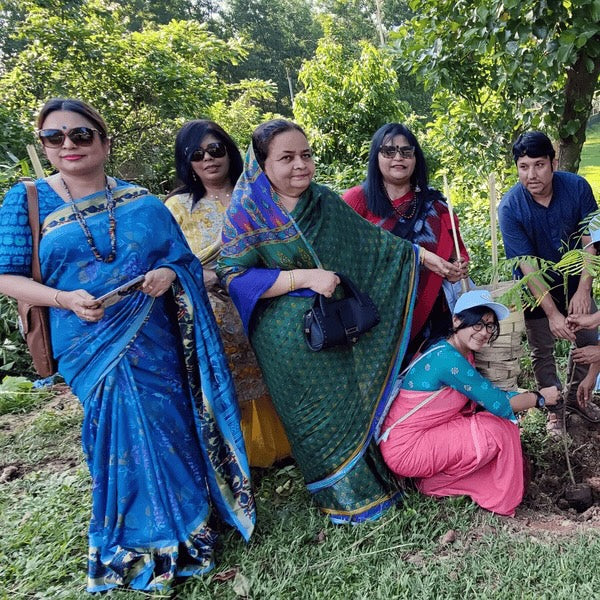
Trees for Corporates - Achieve Net Zero Targets Through Strategic Tree Planting
Trees for Corporates - Strategic Environmental SolutionsTransform your corporate environmental impact with...
-
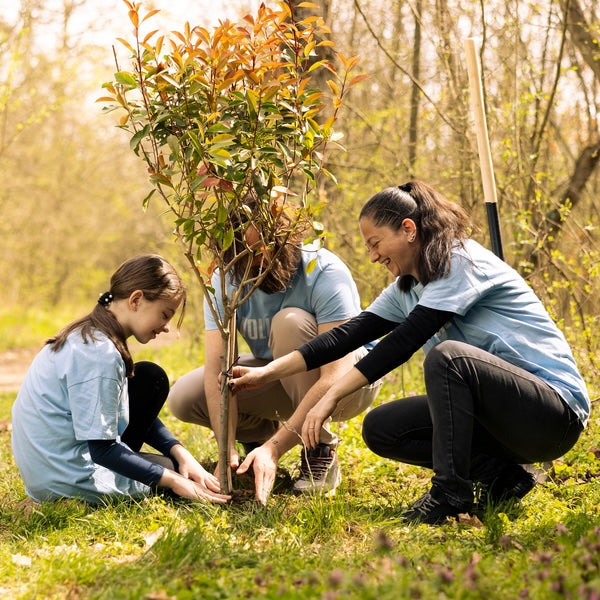
Tree Plantation for CSR - Corporate Environmental Programs | Grow Billion Trees
Tree Plantation for CSR - Transform Your Corporate Environmental ImpactTree plantation for...
-
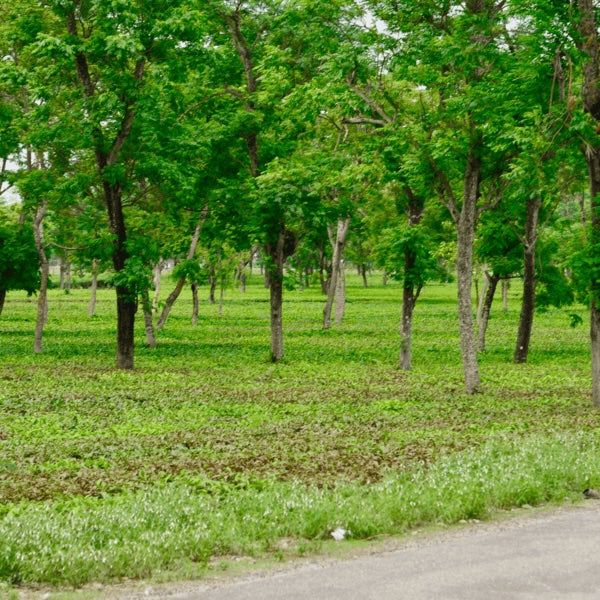
Tree Plantation for SDG - Support Sustainable Development Goals
Tree plantation for SDG initiatives represents a powerful pathway to achieving multiple...
-
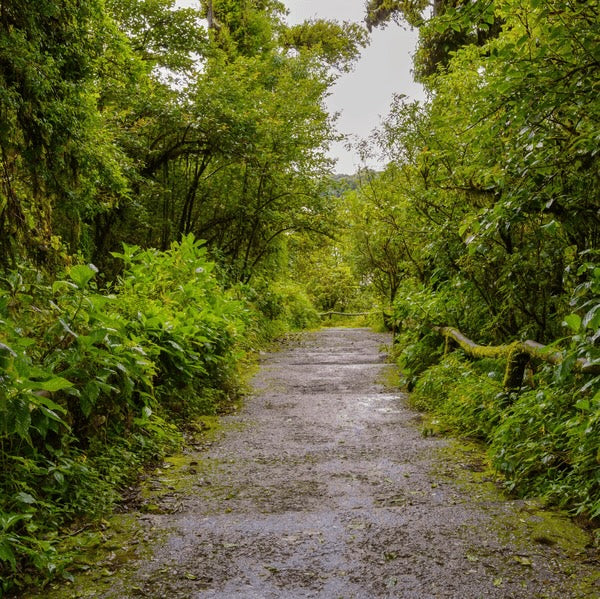
Corporate Tree Plantation Programs - Sustainable ESG Environmental Solutions for Net Zero Targets
Transform your organization's environmental impact with our comprehensive Corporate Tree Plantation Programs...
-
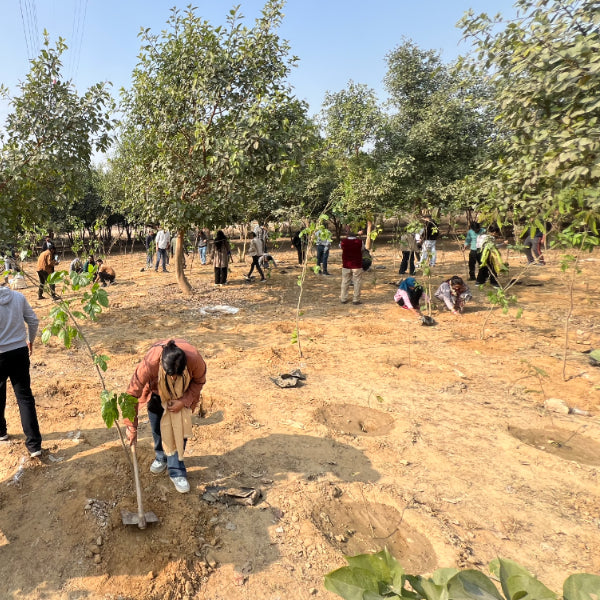
Tree Plantation by Location - Plant Trees Across India
Transform landscapes nationwide through our comprehensive tree plantation by location program. When...
Most Popular Tree Plantations - Top Choices for Environmental Impact
-
Trees for Mother
Regular price ₹ 299Regular priceUnit price per -
Trees to Honor the Memory of your Loved Ones
Regular price ₹ 299Regular priceUnit price per -
Trees for Wedding Anniversary Celebration
Regular price ₹ 299Regular priceUnit price per -
Trees for Grandmother
Regular price ₹ 299Regular priceUnit price per -
Trees for Grandfather
Regular price ₹ 299Regular priceUnit price per

Connect with us
-
👥 Corporates
If you are looking for:
- 🌲 Tree Plantation Events
- 📊 CSR Projects
📧 corporate@growbilliontrees.com
📞 +91 9699723523
💬 +91 9325931304 WhatsApp (Only)
🕒 Mon - Sat | 10am - 7pm IST
-
🧩 Tree Plantation NGOs
If you are looking for:
- 💰 Financial Assistance
- 🤝 Operational Support
📧 support@growbilliontrees.com
📞 +91 9699723523
💬 +91 9325931304 WhatsApp (Only)
🕒 Mon - Sat | 10am - 7pm IST
-
🌼 Individuals
If you are looking for:
- 👥 Group Tree Plantation Drive
- 🌳 Bulk Tree Plantation
📞 +91 9699723523
💬 +91 9325931304 WhatsApp (Only)
🕒 Mon - Sat | 10am - 7pm IST
