
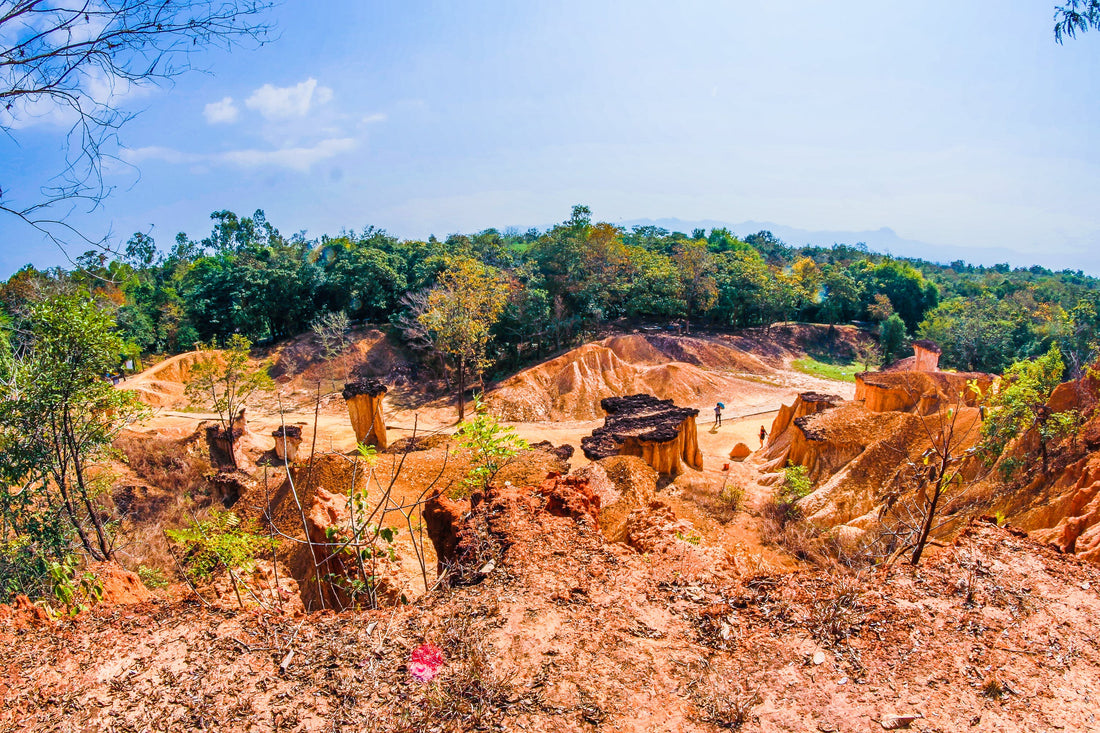
Combating soil erosion is essential for protecting our planet's agricultural future and achieving sustainable food security. Every year, billions of tons of fertile topsoil are lost globally, threatening crop yields and environmental stability. The g Read more
Trending Tree Plantations - Most Popular Environmental Programs
-
Trees for Mother
Regular price ₹ 299Regular priceUnit price per -
Trees to Honor the Memory of your Loved Ones
Regular price ₹ 299Regular priceUnit price per -
Trees for Women's Day (8th Mar)
Regular price ₹ 299Regular priceUnit price per -
Trees for Wedding Anniversary Celebration
Regular price ₹ 299Regular priceUnit price per -
Trees for Grandmother
Regular price ₹ 299Regular priceUnit price per

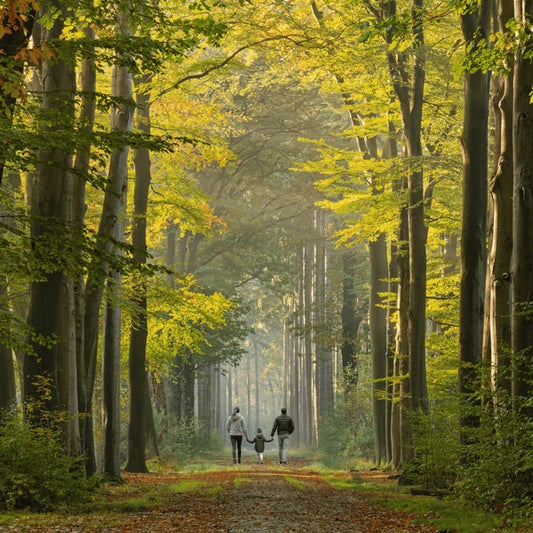



Trees for Corporates - Achieve Net Zero Targets Through Strategic Tree Planting
-
 Project Closed
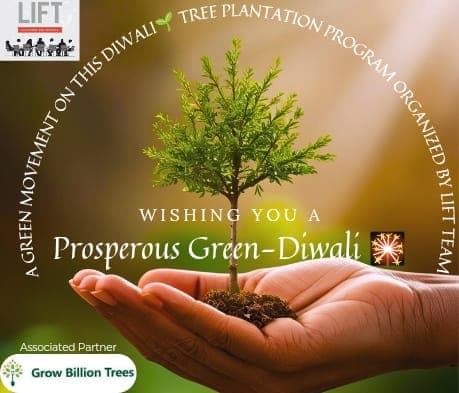
Trees by LIFT Team for Green Diwali: Transform Your Festival
Regular price ₹ 299Regular priceUnit price per -
Trees for a Greener Tomorrow - by Mahindra Lifespaces
Regular price ₹ 299Regular priceUnit price per -
Trees for Environment Day: Plant Your Impact on June 5th
Regular price ₹ 299Regular priceUnit price per -
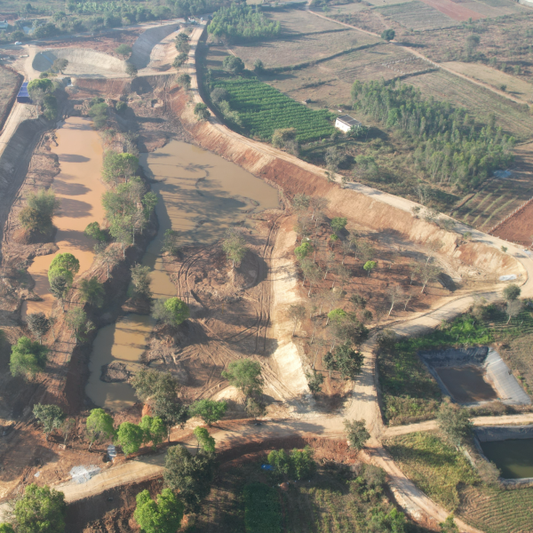 Project Closed
Trees for Bangalore: Plant Native Trees in Garden City ₹299
Regular price ₹ 799Regular priceUnit price per -
Trees for Employees: Transform Your Corporate Culture in 2026
Regular price ₹ 299Regular priceUnit price per
Combating Soil Erosion: 8 Strategies for Agriculture
Combating soil erosion is essential for protecting our planet's agricultural future and achieving sustainable food security. Every year, billions of tons of fertile topsoil are lost globally, threatening crop yields and environmental stability. The great news is that proven, eco-friendly conservation strategies can effectively prevent soil loss while building agricultural resilience for generations to come.
Soil erosion occurs when the top layer of soil is removed or displaced by natural forces such as water, wind, or human activities like deforestation and improper farming practices. When it comes to combating soil erosion,This process leads to the degradation of soil fertility, loss of arable land, and increased risk of drought. According to the United Nations Sustainable Development Goals, protecting soil resources is crucial for achieving zero hunger and sustainable agriculture worldwide.
In 2026, the urgency of addressing soil erosion has never been greater. When it comes to combating soil erosion,Our team at Grow Billion Trees has worked hands-on with farmers and communities across India to implement nature-based solutions. We've found that the right combination of strategies can transform degraded land into thriving, productive ecosystems — and we are glad to share what works.
Understanding the Impact of Soil Erosion
Soil erosion poses a significant threat to global food security and environmental health. When it comes to combating soil erosion,When topsoil is lost, it takes centuries to naturally regenerate, making prevention far more effective than restoration. The World Wildlife Fund highlights deforestation as a major contributor to soil degradation, emphasizing the interconnected nature of forest conservation and soil protection.
The economic impact is staggering. When it comes to combating soil erosion,Farmers worldwide lose billions of dollars annually due to reduced crop yields caused by soil erosion. Eroded soil often ends up in waterways, causing pollution and affecting aquatic ecosystems. Moreover, soil degradation contributes directly to increased greenhouse gas emissions, deepening the climate crisis.
A 2026 report estimates that approximately 24 billion tons of fertile soil are lost every year across the globe. This loss directly impacts food production for billions of people. Therefore, combating soil erosion is not just an environmental priority — it is a social and economic imperative, especially in agricultural nations like India.
✅ 8 Proven Strategies for Combating Soil Erosion
1. Agroforestry: Nature's Soil Stabilizer
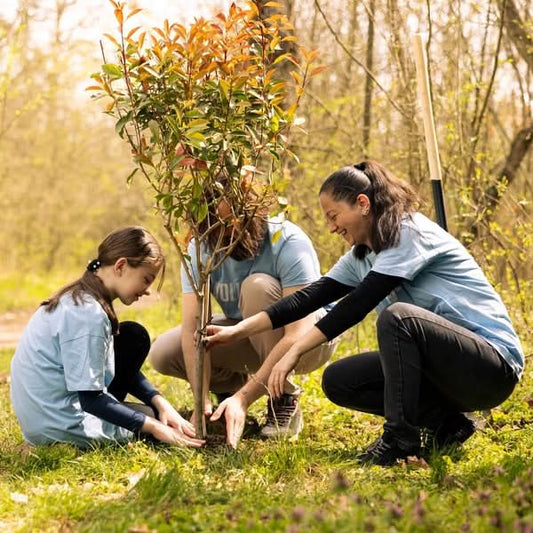
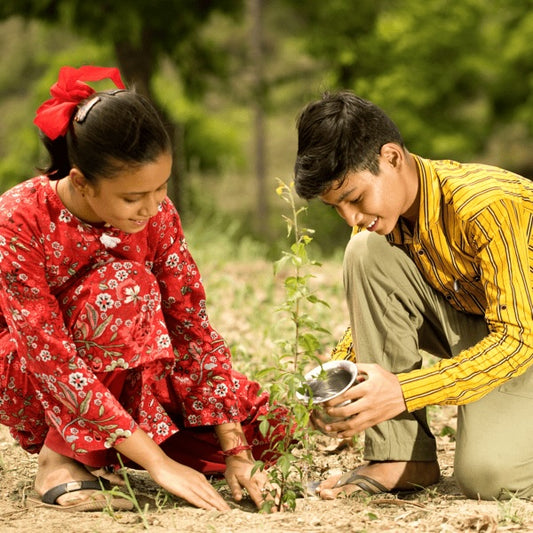
Planting trees and shrubs in and around agricultural fields creates a natural, sustainable defense against soil erosion. When it comes to combating soil erosion,The roots of these plants bind the soil together, preventing displacement while the canopy reduces the impact of rainfall on soil surfaces. Agroforestry is one of the most effective and mindful approaches to land restoration available today.
Our team at Grow Billion Trees has seen wonderful results from our agroforestry programs across India. When it comes to combating soil erosion,Our 4ft Tree Planting + 3 Years Care + GeoTag service helps farmers establish protective tree barriers that strengthen soil structure over time. We ensure every tree is verified, certified, and tracked with GeoTag technology for complete transparency.
2. Cover Cropping: Year-Round Soil Protection
Planting cover crops such as legumes and grasses during off-seasons provides continuous, organic ground cover. When it comes to combating soil erosion,These crops reduce water runoff, improve soil structure, and prevent topsoil loss while also enhancing fertility. Cover crops fix nitrogen naturally and add rich organic matter to the earth, creating a thriving soil ecosystem.
For example, planting winter rye or clover between growing seasons keeps the soil covered and alive. Our experience with farmers in Maharashtra shows that cover cropping can reduce soil erosion by up to 90% on vulnerable slopes. This is a wonderful, low-cost method that any farmer can adopt immediately.
3. Contour Plowing: Working with the Land
Plowing along the contours of the land rather than up and down slopes significantly slows water runoff. This technique minimizes soil erosion while allowing water to infiltrate the soil more effectively. Contour plowing also helps capture and retain rainwater, promoting better water management across the farm.
This proven method is especially valuable in hilly regions of India, such as the Western Ghats and Himalayan foothills. Farmers who adopt contour plowing often enjoy improved moisture retention and healthier crop yields. It is a simple yet powerful shift in practice that can transform a farm's resilience.
4. Terracing: Creating Stepped Solutions
Terracing involves creating steps or platforms on sloped terrain to reduce water runoff speed. This method prevents soil erosion by allowing water to be absorbed gradually into the ground. Terraces can be built using stones, vegetation, or other natural materials to create level surfaces that protect vulnerable slopes.
Terracing has been used for thousands of years across South Asia, and its effectiveness is well-documented and proven. However, it requires initial investment and careful planning. Community-based programs and government support are therefore vital to help small farmers implement this method and improve their land's resilience.
5. Mulching: Protective Ground Cover
Applying organic or inorganic mulch on soil surfaces protects against raindrop impact, reduces water runoff, and enhances water retention. Mulch improves soil structure, regulates temperature, and suppresses weed growth. This creates optimal conditions for healthy, thriving plant development throughout the growing season.
💡 Pro tip: Use locally available organic materials like straw, dried leaves, or wood chips as natural mulch. When it comes to combating soil erosion,This is a cost-effective, eco-friendly approach that also adds nutrients to the soil as it decomposes. Our partners in rural Karnataka have found mulching to be a great, impactful solution for dryland farming challenges.
6. Contour Buffer Strips: Strategic Vegetation Placement
Planting vegetation strips along field contour lines creates effective, green barriers against erosion. These strips slow water movement and trap sediments before they can cause downstream damage. Native grasses and deep-rooted plants are particularly effective for long-term soil stabilization and ecosystem health.
Buffer strips also support biodiversity by creating habitats for beneficial insects, birds, and pollinators. This makes them a mindful and holistic approach to sustainable land management. Moreover, they require minimal maintenance once established, making them a great long-term investment for any farmer.
7. Conservation Tillage: Minimal Disturbance Approach
Reduced or no-till farming practices minimize soil disturbance while leaving crop residues on field surfaces to protect the earth. When it comes to combating soil erosion,This approach prevents soil erosion, improves soil structure, enhances water retention, and actively promotes biodiversity. Conservation tillage also reduces fuel consumption and labor costs, making it a sustainable and economical choice for farmers.
According to the United Nations Environment Programme, conservation agriculture practices can significantly reduce land degradation across vulnerable regions. Our hands-on field research confirms that no-till farming boosts soil health visibly within just two to three growing seasons, delivering real, measurable results.
8. Educational Outreach: Building Community Awareness
Raising awareness among farmers and communities about sustainable land management practices is crucial for long-term success. When it comes to combating soil erosion,Training programs, workshops, and extension services empower communities to adopt resilient farming methods and understand the consequences of soil erosion. Conscious, informed action is the foundation of lasting change.
At Grow Billion Trees, we provide sustainability education as part of our mission to Plant a tree in your Name and nurture environmental stewardship across India. When it comes to combating soil erosion,We are glad to partner with schools, NGOs, and government bodies to spread awareness about soil conservation. Together, we can build a greener, more resilient future for all.
💡 The Role of Trees in Soil Conservation
Trees play a vital, proven role in combating soil erosion through multiple interconnected mechanisms. Their extensive root systems create underground networks that bind soil particles together, providing structural integrity to the land below. Tree canopies intercept rainfall, reducing its erosive force before it ever reaches the ground.
Additionally, fallen leaves create natural mulch that protects soil surfaces and enriches them with organic matter over time. The WWF Forest Conservation Initiative emphasizes that restoring forests is one of the most powerful tools we have for protecting soil and combating climate change together.
Our mission at Grow Billion Trees is to plant 100 crore trees across India by June 2030. Every tree planted contributes to a broader ecosystem of soil protection, carbon sequestration, and biodiversity restoration. We love seeing landscapes transform as our forests take root and grow into thriving, resilient green habitats.
Why Combating Soil Erosion Matters for Climate Action
Soil erosion and climate change are deeply, inseparably connected. Degraded soils release stored carbon into the atmosphere, worsening greenhouse gas emissions and accelerating global warming. Conversely, healthy soils act as carbon sinks, absorbing CO2 and helping stabilize our climate for future generations.
According to the United Nations Climate Change initiative, soil restoration is a key lever for achieving Net Zero Targets globally. Combating Climate Change Through Collective Action requires us to address soil degradation at scale — combining tree planting with sustainable farming, policy reform, and community education.
In India, where agriculture supports over 50% of the population, protecting soil health is not just an environmental issue — it is a social and economic imperative. Our programs are designed to be accessible to farmers of all scales, from small landholders to large agribusinesses seeking to improve their environmental impact.
How Grow Billion Trees Supports Soil Conservation
Grow Billion Trees offers a range of specialized, hands-on programs designed to address soil erosion and land degradation across India. When it comes to combating soil erosion,Our Miyawaki Forest Creation, Mangrove Restoration, and Agroforestry Programs each target specific ecosystems and challenges with proven, science-backed methods. We use GeoTag technology to track every planted tree, ensuring verified, authentic, and transparent results.
Starting at just ₹299 per tree, with 4ft Tree Planting + 3 Years Care + GeoTag included, our programs make it easy for individuals, corporates, and communities to participate in soil conservation. When it comes to combating soil erosion,Whether you want to plant trees to achieve Net Zero Targets or simply give back to the earth, we provide a certified, secure path forward.
Our corporate partners trust us to deliver measurable, verified environmental impact across cities including Mumbai, Bangalore, Delhi, Chennai, and Hyderabad. We are happy to partner with organizations that share our love for a greener, more sustainable India. Together, we are building India's green future — one tree at a time.
Frequently Asked Questions
What is soil erosion and why is it a problem?
Soil erosion is the displacement of the top layer of soil by water, wind, or human activity such as deforestation and poor farming practices. When it comes to combating soil erosion,It is a serious problem because topsoil is essential for crop growth, and its loss reduces agricultural productivity, increases flood risk, and contributes to long-term environmental degradation.
What are the most effective methods for combating soil erosion?
The most effective strategies include agroforestry, cover cropping, contour plowing, terracing, mulching, conservation tillage, buffer strips, and community education. Combining multiple eco-friendly approaches together delivers the strongest and most sustainable results for long-term soil conservation.
How do trees help prevent soil erosion?
Tree roots bind soil particles together, preventing displacement by water or wind. When it comes to combating soil erosion,Tree canopies reduce the impact of rainfall on the soil surface, and fallen leaves create protective, organic mulch layers that enrich the earth. Planting trees is one of the most natural and proven ways to stabilize soil and nurture healthy land.
How can farmers in India access soil conservation programs?
Farmers in India can access programs through Grow Billion Trees, government agricultural extension services, and NGO partnerships. Our agroforestry programs offer affordable, certified tree planting starting at ₹299, with full support including 3 years of care and GeoTag monitoring to track results.
What is the connection between soil erosion and climate change?
Soil erosion releases stored carbon into the atmosphere, contributing to greenhouse gas emissions and climate instability. Healthy soils act as carbon sinks, absorbing CO2 and helping mitigate global warming. Restoring degraded soils through tree planting and sustainable farming is a key strategy for achieving Net Zero Targets.
What is agroforestry and how does it combat soil erosion?
Agroforestry integrates trees into agricultural landscapes to improve soil stability, biodiversity, and farm productivity. When it comes to combating soil erosion,Tree roots anchor the soil while canopies reduce rainfall erosion impact. Grow Billion Trees offers hands-on agroforestry programs with GeoTag tracking that have shown wonderful, measurable results across India.
How long does it take to see results from soil conservation efforts?
Results vary depending on the method and the severity of erosion present. When it comes to combating soil erosion,Cover cropping and mulching can show improvements within a single growing season. Agroforestry and terracing typically deliver significant, lasting results within two to five years as plant root systems become established and the ecosystem begins to thrive.
Can individuals contribute to combating soil erosion?
Absolutely. Individuals can plant trees, support reforestation programs, reduce food waste, and advocate for sustainable land management policies. Planting a tree through Grow Billion Trees for just ₹299 is a direct, impactful, and certified action that contributes to soil conservation and environmental restoration across India.
Take Action Today for Healthier, Thriving Soils
Combating soil erosion is one of the most impactful and meaningful steps we can take to protect our planet's future. From agroforestry and cover cropping to community education and certified tree planting, every strategy we implement today helps secure a sustainable, food-secure tomorrow. The challenge is great, but together our collective capacity to respond is even greater.
We warmly invite you to join Grow Billion Trees in our mission to plant 100 crore trees and restore India's degraded landscapes. When it comes to combating soil erosion,Whether you want to Plant a tree in your Name, support corporate Net Zero Targets, or contribute to Combating Climate Change Through Collective Action, we have a wonderful program for you. Explore our certified programs today and discover how easy it is to make a real, lasting difference.
You may also like
-
Gift a Tree - Meaningful Environmental Gifts That Make a Difference
Transform your gift-giving with meaningful environmental gifts that create lasting impact for...
-
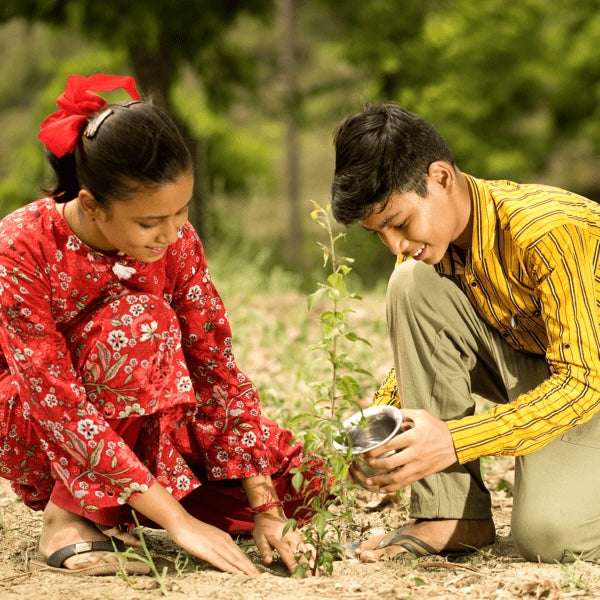
Trees For Shiv Ji - Sacred Tree Planting to Honor Lord Shiva
Honor Lord Shiva through sacred tree planting with Trees For Shiv Ji,...
-

Tree Plantations for Shri Ram - Sacred Devotional Planting Services
Honor Lord Shri Ram through meaningful tree plantations for Shri Ram that...
-
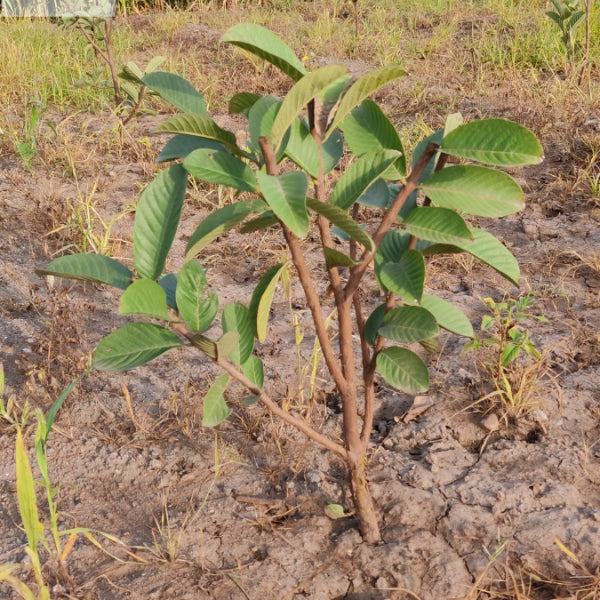
Tree Plantation on Navratri - Celebrate Divine Festivals with Environmental Devotion
Tree plantation on Navratri transforms the sacred nine-day festival into a powerful...
-
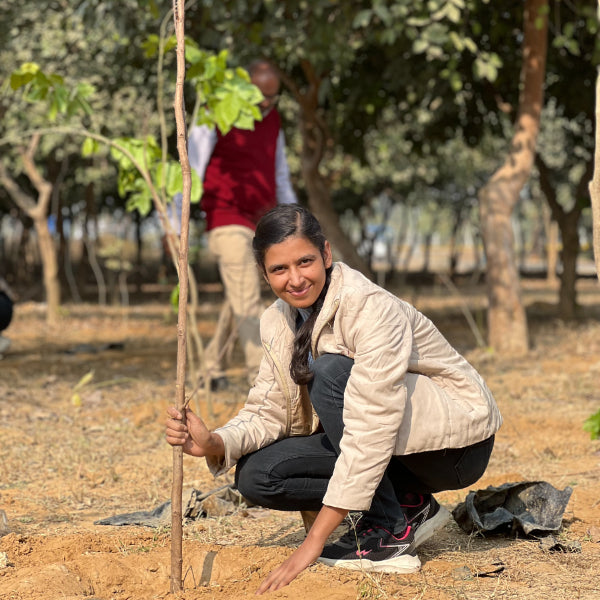
Tree Plantation by Cause - Plant Trees for Every Purpose | Grow Billion Trees
Transform your environmental impact with purpose-driven tree plantation by cause programs that...
Corporate Plantations
-
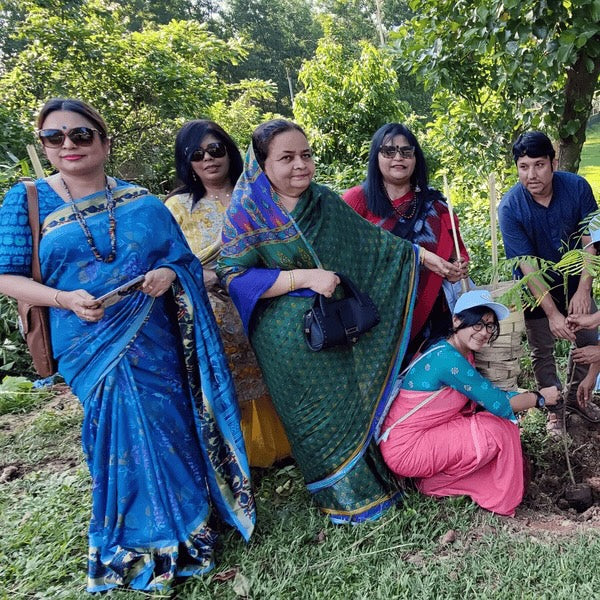
Trees for Corporates - Achieve Net Zero Targets Through Strategic Tree Planting
Trees for Corporates - Strategic Environmental SolutionsTransform your corporate environmental impact with...
-
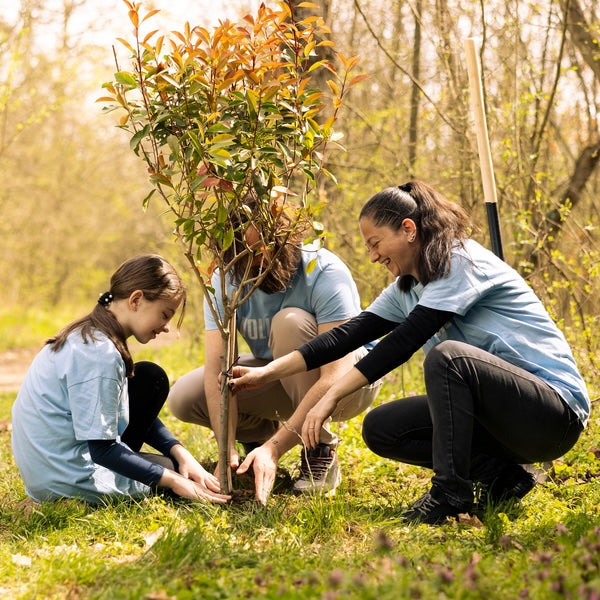
Tree Plantation for CSR - Corporate Environmental Programs | Grow Billion Trees
Tree Plantation for CSR - Transform Your Corporate Environmental ImpactTree plantation for...
-
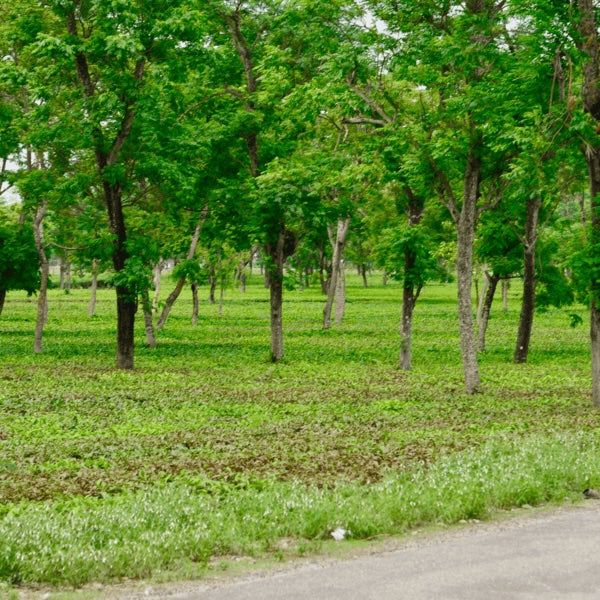
Tree Plantation for SDG - Support Sustainable Development Goals
Tree plantation for SDG initiatives represents a powerful pathway to achieving multiple...
-
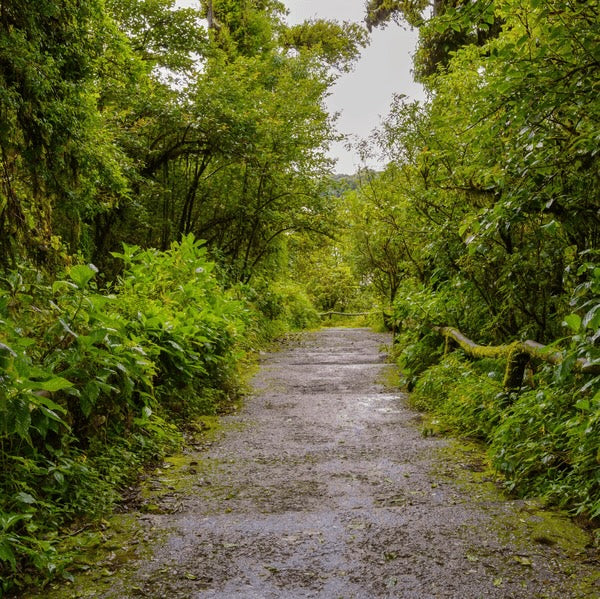
Corporate Tree Plantation Programs - Sustainable ESG Environmental Solutions for Net Zero Targets
Transform your organization's environmental impact with our comprehensive Corporate Tree Plantation Programs...
-
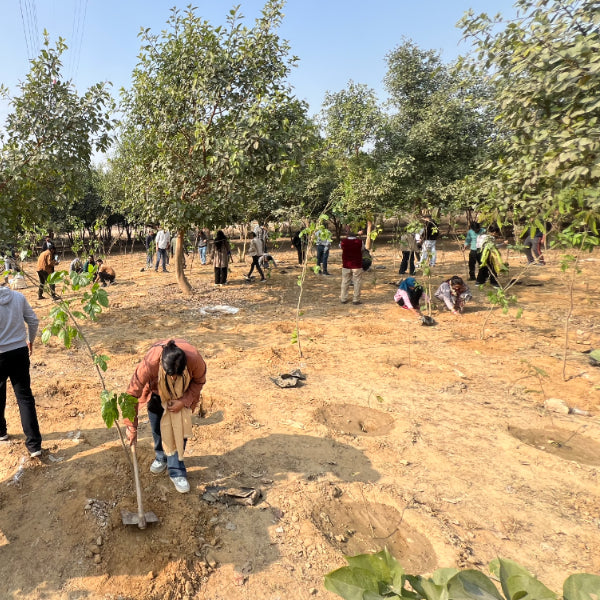
Tree Plantation by Location - Plant Trees Across India
Transform landscapes nationwide through our comprehensive tree plantation by location program. When...
Most Popular Tree Plantations - Top Choices for Environmental Impact
-
Trees for Mother
Regular price ₹ 299Regular priceUnit price per -
Trees to Honor the Memory of your Loved Ones
Regular price ₹ 299Regular priceUnit price per -
Trees for Wedding Anniversary Celebration
Regular price ₹ 299Regular priceUnit price per -
Trees for Grandmother
Regular price ₹ 299Regular priceUnit price per -
Trees for Grandfather
Regular price ₹ 299Regular priceUnit price per

Connect with us
-
👥 Corporates
If you are looking for:
- 🌲 Tree Plantation Events
- 📊 CSR Projects
📧 corporate@growbilliontrees.com
📞 +91 9699723523
💬 +91 9325931304 WhatsApp (Only)
🕒 Mon - Sat | 10am - 7pm IST
-
🧩 Tree Plantation NGOs
If you are looking for:
- 💰 Financial Assistance
- 🤝 Operational Support
📧 support@growbilliontrees.com
📞 +91 9699723523
💬 +91 9325931304 WhatsApp (Only)
🕒 Mon - Sat | 10am - 7pm IST
-
🌼 Individuals
If you are looking for:
- 👥 Group Tree Plantation Drive
- 🌳 Bulk Tree Plantation
📞 +91 9699723523
💬 +91 9325931304 WhatsApp (Only)
🕒 Mon - Sat | 10am - 7pm IST
