
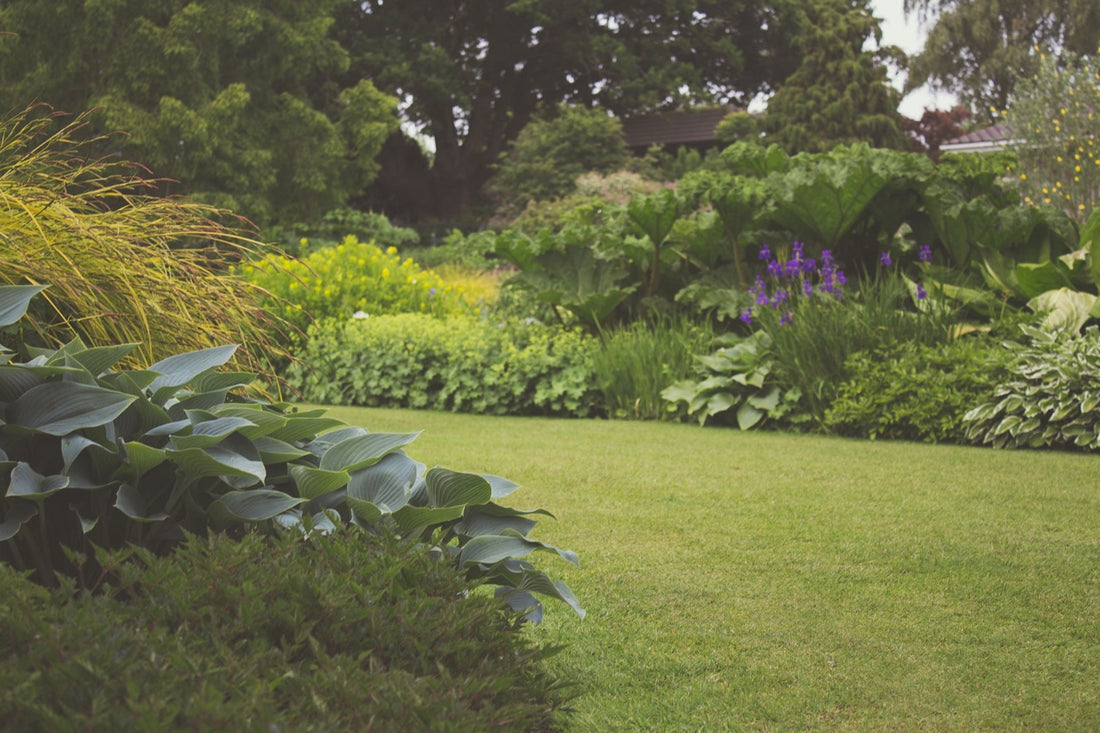
Incorporating tree plantation into your home garden transforms ordinary outdoor spaces into thriving ecosystems that combat climate change while creating beautiful, sustainable sanctuaries. This comprehensive approach to eco-friendly gardening goes b Read more
Trending Tree Plantations - Most Popular Environmental Programs
-
Trees for Mother
Regular price ₹ 299Regular priceUnit price per -
Trees to Honor the Memory of your Loved Ones
Regular price ₹ 299Regular priceUnit price per -
Trees for Women's Day (8th Mar)
Regular price ₹ 299Regular priceUnit price per -
Trees for Wedding Anniversary Celebration
Regular price ₹ 299Regular priceUnit price per -
Trees for Grandmother
Regular price ₹ 299Regular priceUnit price per



Trees for Corporates - Achieve Net Zero Targets Through Strategic Tree Planting
-
 Project Closed
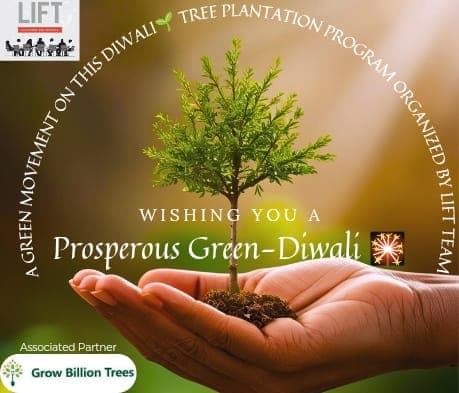
Trees by LIFT Team for Green Diwali: Transform Your Festival
Regular price ₹ 299Regular priceUnit price per -
Trees for a Greener Tomorrow - by Mahindra Lifespaces
Regular price ₹ 299Regular priceUnit price per -
Trees for Environment Day: Plant Your Impact on June 5th
Regular price ₹ 299Regular priceUnit price per -
Trees for Employees: Transform Your Corporate Culture in 2026
Regular price ₹ 299Regular priceUnit price per -
 Project Closed
Trees for Bangalore: Plant Native Trees in Garden City ₹299
Regular price ₹ 799Regular priceUnit price per
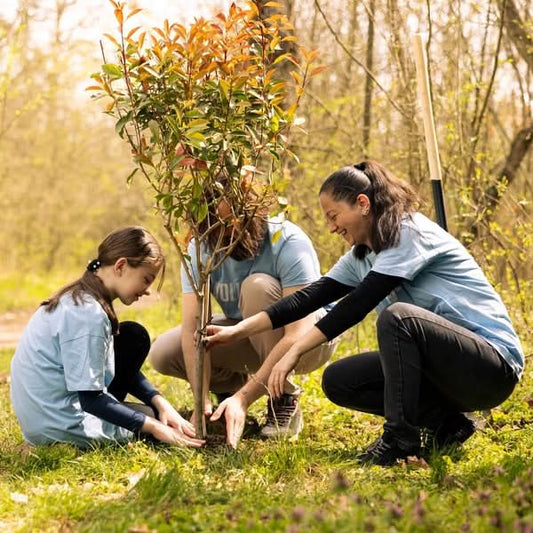
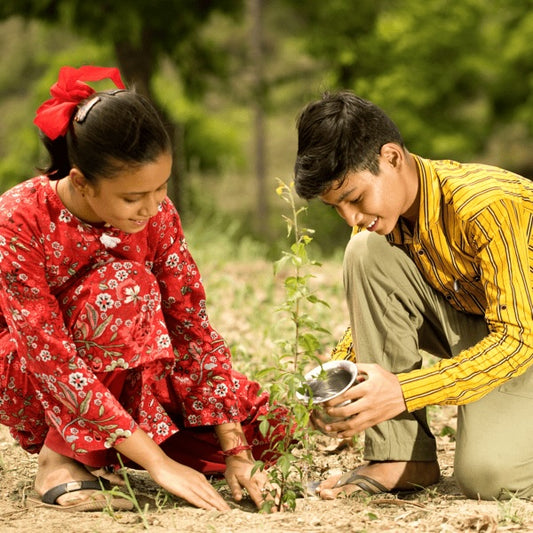
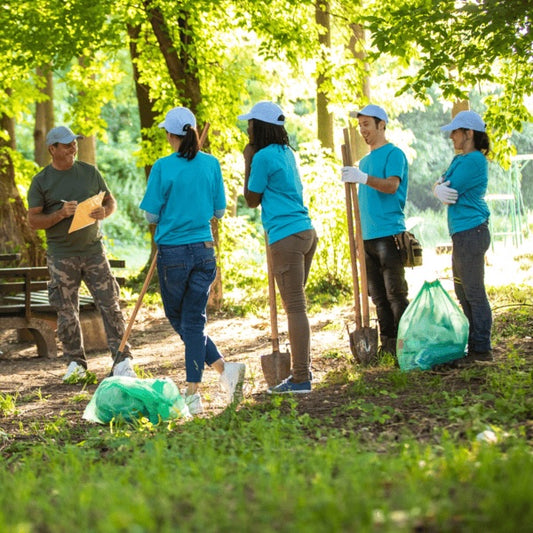
Incorporating Tree Plantation into Your Home Garden Guide 2024
Incorporating tree plantation into your home garden transforms ordinary outdoor spaces into thriving ecosystems that combat climate change while creating beautiful, sustainable sanctuaries. This comprehensive approach to eco-friendly gardening goes beyond aesthetics, establishing your garden as a vital component in achieving net zero targets and supporting India's mission to plant 100 crore trees.
In the pursuit of sustainable living, the concept of eco-friendly gardening has emerged as a powerful means of harmonizing our living spaces with the natural world. One impactful aspect of this green movement is the integration of tree plantations into our home gardens. Beyond the aesthetic appeal, trees contribute substantially to the local environment, making our gardens not just beautiful retreats but also vital components of a healthier planet.
✅ The Essence of Eco-friendly Gardening
Eco-friendly gardening transcends the traditional boundaries of cultivating plants solely for visual pleasure. It is a holistic approach that considers the environmental impact of our gardening practices. Trees, with their multifaceted benefits, play a pivotal role in creating sustainable and resilient garden spaces.
According to the United Nations Sustainable Development Goals, sustainable land management practices including home gardening contribute significantly to environmental conservation. When you plant a tree in your name through programs like Grow Billion Trees' 4ft Tree Planting + 3 Years Care + GeoTag service, you're participating in combating climate change through collective action.
⭐ Benefits of Tree Plantation in Home Gardens
Trees offer a myriad of advantages that extend far beyond their ornamental value. By providing shade, they reduce the need for energy-consuming cooling systems, contributing to energy efficiency. Moreover, trees act as natural air purifiers, absorbing pollutants and releasing oxygen, fostering a cleaner and healthier atmosphere. Their extensive root systems help prevent soil erosion and promote water conservation.
The United Nations Environment Programme highlights that urban trees can reduce air temperatures by 2-8°C, making your home garden a natural cooling system. Additional benefits include:
- Carbon sequestration - A mature tree absorbs 22 kg of CO2 annually
- Biodiversity support - Native trees attract local wildlife and pollinators
- Property value increase - Well-planned tree plantation can boost property values by 15%
- Mental health benefits - Green spaces reduce stress and improve well-being
- Food security - Fruit trees provide fresh, organic produce
🌳 Choosing the Right Trees for Your Garden
Selecting the right trees for your home garden is a thoughtful process that involves consideration of climate, soil type, and available space. Opting for native species enhances the ecological compatibility of your garden, supporting local biodiversity. Fruit-bearing trees not only provide fresh produce but also attract wildlife, transforming your garden into a thriving ecosystem.
Native Tree Species for Indian Gardens
Consider these climate-appropriate options when incorporating tree plantation into your home garden:
- Neem (Azadirachta indica) - Natural pest control and medicinal properties
- Gulmohar (Delonix regia) - Stunning flowers and excellent shade provider
- Jamun (Syzygium cumini) - Edible fruit and drought-resistant
- Banyan (Ficus benghalensis) - Extensive canopy for large gardens
- Mango (Mangifera indica) - Delicious fruit and cultural significance
💡 Space-Specific Recommendations
Small Gardens (Less than 500 sq ft): Choose dwarf varieties or container-friendly options like pomegranate, lemon, or curry leaf plants.
Medium Gardens (500-1500 sq ft): Incorporate medium-sized trees like guava, drumstick, or Indian gooseberry alongside smaller shrubs.
Large Gardens (1500+ sq ft): Create diverse ecosystems with canopy trees, understory plants, and ground cover following Miyawaki forest principles.
🎯 Integrating Trees into Garden Design
Incorporating trees into your garden design need not be a cumbersome task. Careful planning allows for the seamless integration of trees, providing shade, framing views, and creating natural focal points. Consider the growth patterns and mature size of the trees to ensure they complement other elements in your garden and do not overpower the space.
Strategic Placement Guidelines
Shade Trees: Position on the south and west sides to block harsh afternoon sun while allowing morning light.
Privacy Screens: Use evergreen trees along property boundaries for year-round privacy.
Focal Points: Place flowering or uniquely shaped trees as centerpieces in garden beds.
Wind Barriers: Create natural windbreaks with dense, sturdy trees on the windward side of your property.
🌱 Caring for Your Green Companions
The journey of tree plantation in your home garden extends beyond the initial planting. Regular care, including proper watering, mulching, and occasional pruning, ensures the health and longevity of your green companions. Embrace organic gardening practices, avoiding harmful pesticides and fertilizers, to maintain a truly eco-friendly and sustainable garden space.
Essential Care Practices
Watering: Deep, infrequent watering encourages deep root growth. Water early morning or evening to minimize evaporation.
Mulching: Apply 3-4 inches of organic mulch around the base, keeping it away from the trunk to prevent pest issues.
Pruning: Remove dead, diseased, or crossing branches during dormant seasons to promote healthy growth.
Soil Health: Test soil pH annually and amend with compost to maintain optimal growing conditions.
🌍 Miyawaki Method for Home Gardens
The revolutionary Miyawaki method, pioneered by Japanese botanist Akira Miyawaki, creates dense, native forests in small spaces. This technique is perfect for incorporating tree plantation into your home garden while maximizing ecological benefits.
According to research by the World Wildlife Fund, Miyawaki forests grow 10 times faster and become 30 times denser than conventional plantations. Key principles include:
- Plant only native species found in your region's natural forests
- Create multiple layers: canopy, sub-canopy, shrub, and ground cover
- Plant densely (3-5 trees per square meter)
- Use organic soil amendments and mulching
- Provide intensive care for the first 2-3 years
🏢 Corporate and Community Impact
When incorporating tree plantation into your home garden, you're contributing to larger environmental goals. Many corporations are partnering with organizations like Grow Billion Trees to achieve their net zero targets through community-based tree planting initiatives.
Your home garden becomes part of a broader network working toward planting 100 crore trees across India. This collective action amplifies individual efforts, creating measurable environmental impact while inspiring neighbors and community members to adopt similar practices.
📱 Technology Integration in Tree Care
Modern tree plantation programs utilize advanced technology to monitor growth and health. GeoTag technology allows you to track your planted trees' progress, ensuring transparency and accountability in your gardening journey.
Smart gardening tools and apps can help you:
- Monitor soil moisture levels
- Track growth milestones
- Receive care reminders
- Connect with other eco-conscious gardeners
- Document your garden's carbon footprint reduction
🎁 Special Occasion Tree Planting
Incorporating tree plantation into your home garden creates meaningful opportunities for celebration. Plant trees to commemorate special occasions like birthdays, anniversaries, or memorials, creating living legacies that grow stronger over time.
Consider these occasion-specific plantings:
- Birth celebrations: Plant fruit trees that will provide for future generations
- Memorial trees: Choose long-lived species like banyan or peepal for lasting remembrance
- Anniversary plantings: Select flowering trees that bloom annually as natural reminders
- Achievement markers: Plant trees to celebrate graduations, promotions, or personal milestones
⚠️ Common Mistakes to Avoid
Successful tree plantation in home gardens requires avoiding these frequent pitfalls:
- Planting too close to structures: Ensure adequate distance from buildings, power lines, and other trees
- Ignoring mature size: Research full-grown dimensions before planting
- Poor soil preparation: Test and amend soil before planting for optimal growth
- Inadequate watering: Establish consistent watering schedules, especially during establishment
- Wrong species selection: Choose climate-appropriate, native varieties for best results
🌿 Educating and Inspiring Others
As stewards of our home environments, we have the power to inspire change in our communities. Share your journey of incorporating tree plantation into your home garden on social media, in local gardening clubs, or through community workshops. By spreading awareness, you contribute not only to the beauty of your immediate surroundings but also to a collective movement towards sustainable living.
Document your progress with photos and growth measurements, creating compelling stories that motivate others to begin their own eco-friendly gardening journeys. Partner with local schools, housing societies, or environmental groups to expand your impact beyond your garden boundaries.
Frequently Asked Questions
How much space do I need for incorporating tree plantation into my home garden?
You can start tree plantation in any space, from small balconies using containers to large yards. Even a 100 square foot area can accommodate 2-3 small trees or multiple shrubs using vertical gardening techniques and dwarf varieties.
What is the cost of planting trees in a home garden?
Costs vary widely based on tree species, size, and care requirements. Through programs like Grow Billion Trees, you can plant a tree in your name for ₹299, which includes 4ft tree planting, 3 years of care, and GeoTag monitoring.
How long does it take for planted trees to show significant growth?
Most trees show noticeable growth within 6-12 months of planting. Fast-growing species like eucalyptus or gulmohar can reach 6-8 feet in 2-3 years, while slower species like oak or banyan may take 5-10 years to establish substantial presence.
Can I plant trees in containers for small spaces?
Absolutely! Container gardening allows tree plantation in apartments, balconies, and small yards. Choose dwarf varieties, ensure proper drainage, and use large containers (minimum 50-gallon capacity) for healthy root development.
Which trees are best for air purification in home gardens?
Neem, peepal, banyan, and ashoka trees are excellent air purifiers. These species effectively remove pollutants, produce oxygen, and create healthier microclimates around your home.
How do I maintain newly planted trees during extreme weather?
Provide extra water during hot summers, protect from strong winds with stakes or barriers, and mulch heavily during winter. Young trees need consistent moisture and protection for their first 2-3 years.
What permits are required for tree plantation in residential areas?
Generally, no permits are needed for planting trees on your own property. However, check local municipal guidelines, especially for large trees near property boundaries or utility lines. Some areas have restrictions on certain species.
How can I connect my home garden to larger environmental initiatives?
Join community tree-planting programs, partner with organizations working toward net zero targets, and participate in initiatives like India's goal to plant 100 crore trees. Your home garden becomes part of combating climate change through collective action.
What maintenance is required after the initial planting period?
After establishment (2-3 years), trees require minimal maintenance including annual pruning, occasional fertilization, pest monitoring, and drought-period watering. Mature trees become largely self-sufficient in appropriate climates.
How do I measure the environmental impact of my home garden trees?
Track carbon sequestration (mature trees absorb 20-50 kg CO2 annually), monitor air quality improvements, measure energy savings from shade, and document wildlife attracted to your garden. Many apps and tools help quantify these benefits.Incorporating tree plantation into your home garden represents a powerful step toward sustainable living and environmental stewardship. By creating green spaces that serve both aesthetic and ecological purposes, you contribute to a healthier planet while enjoying the numerous benefits trees provide. Whether you're planting a single tree to commemorate a special occasion or designing an entire Miyawaki forest, your efforts join millions of others working toward combating climate change through collective action.Ready to transform your outdoor space into an eco-friendly sanctuary? Explore tree planting options and discover how you can plant a tree in your name while contributing to India's ambitious goal of planting 100 crore trees. Start your sustainable gardening journey today and nurture a greener tomorrow, one tree at a time.
You may also like
-
Gift a Tree - Meaningful Environmental Gifts That Make a Difference
Transform your gift-giving with meaningful environmental gifts that create lasting impact for...
-
Trees For Shiv Ji - Sacred Tree Planting to Honor Lord Shiva
Honor Lord Shiva through sacred tree planting with Trees For Shiv Ji,...
-

Tree Plantations for Shri Ram - Sacred Devotional Planting Services
Honor Lord Shri Ram through meaningful tree plantations for Shri Ram that...
-
Tree Plantation on Navratri - Celebrate Divine Festivals with Environmental Devotion
Tree plantation on Navratri transforms the sacred nine-day festival into a powerful...
-
Tree Plantation by Cause - Plant Trees for Every Purpose | Grow Billion Trees
Transform your environmental impact with purpose-driven tree plantation by cause programs that...
Corporate Plantations
-
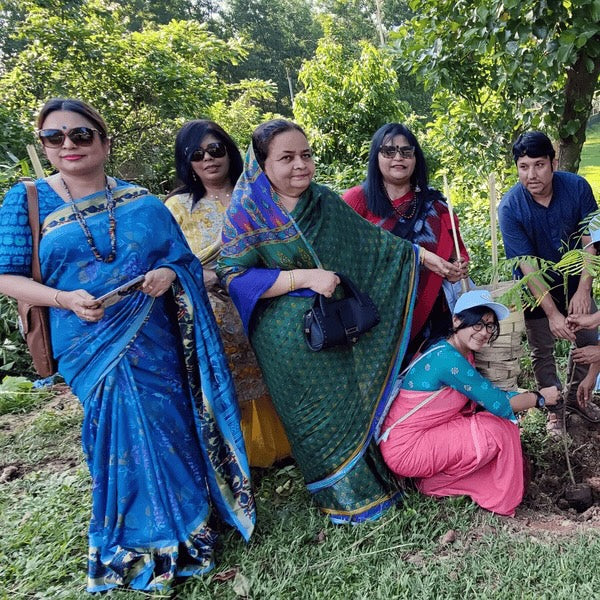
Trees for Corporates - Achieve Net Zero Targets Through Strategic Tree Planting
Trees for Corporates - Strategic Environmental SolutionsTransform your corporate environmental impact with...
-
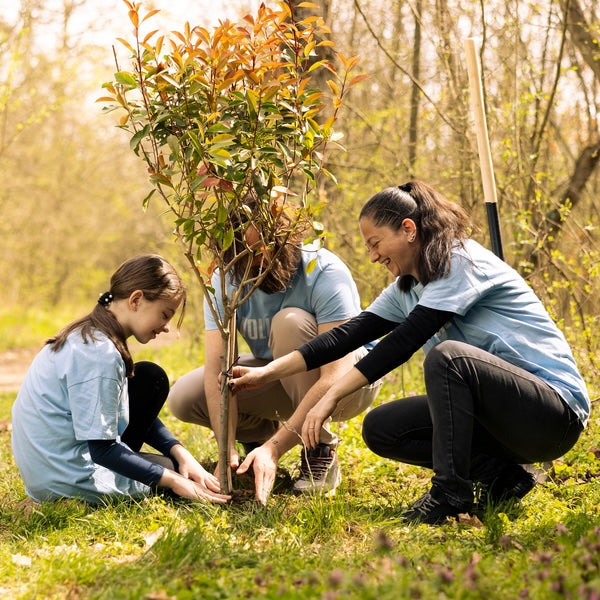
Tree Plantation for CSR - Corporate Environmental Programs | Grow Billion Trees
Tree Plantation for CSR - Transform Your Corporate Environmental ImpactTree plantation for...
-
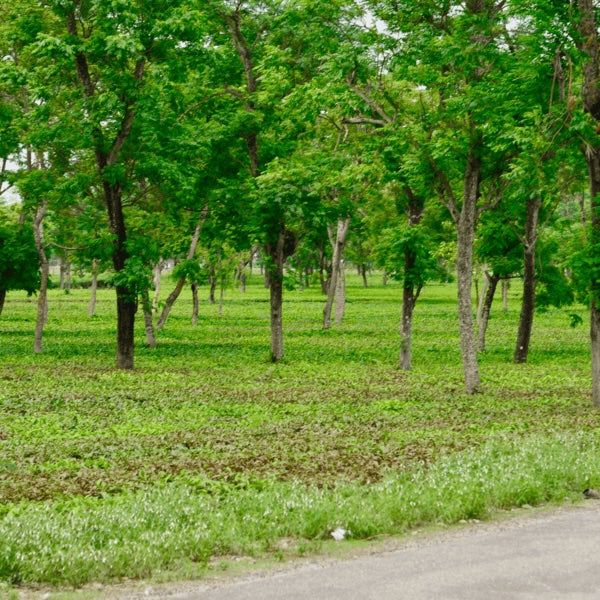
Tree Plantation for SDG - Support Sustainable Development Goals
Tree plantation for SDG initiatives represents a powerful pathway to achieving multiple...
-
Corporate Tree Plantation Programs - Sustainable ESG Environmental Solutions for Net Zero Targets
Transform your organization's environmental impact with our comprehensive Corporate Tree Plantation Programs...
-
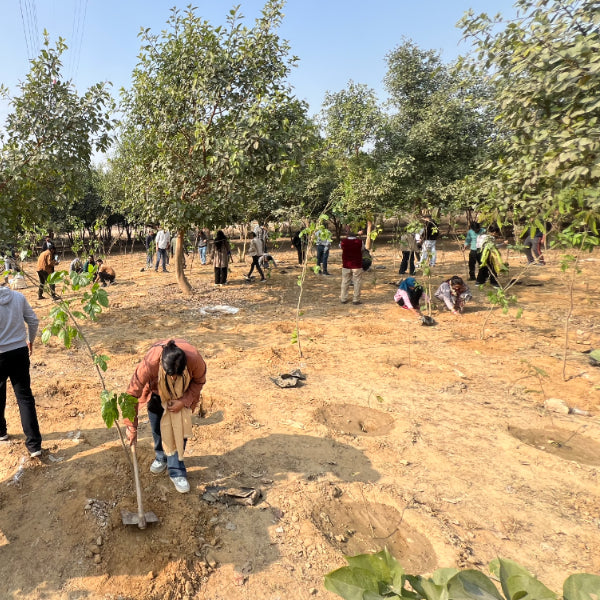
Tree Plantation by Location - Plant Trees Across India
Transform landscapes nationwide through our comprehensive tree plantation by location program. When...
Most Popular Tree Plantations - Top Choices for Environmental Impact
-
Trees for Mother
Regular price ₹ 299Regular priceUnit price per -
Trees to Honor the Memory of your Loved Ones
Regular price ₹ 299Regular priceUnit price per -
Trees for Wedding Anniversary Celebration
Regular price ₹ 299Regular priceUnit price per -
Trees for Grandmother
Regular price ₹ 299Regular priceUnit price per -
Trees for Grandfather
Regular price ₹ 299Regular priceUnit price per

Connect with us
-
👥 Corporates
If you are looking for:
- 🌲 Tree Plantation Events
- 📊 CSR Projects
📧 corporate@growbilliontrees.com
📞 +91 9699723523
💬 +91 9325931304 WhatsApp (Only)
🕒 Mon - Sat | 10am - 7pm IST
-
🧩 Tree Plantation NGOs
If you are looking for:
- 💰 Financial Assistance
- 🤝 Operational Support
📧 support@growbilliontrees.com
📞 +91 9699723523
💬 +91 9325931304 WhatsApp (Only)
🕒 Mon - Sat | 10am - 7pm IST
-
🌼 Individuals
If you are looking for:
- 👥 Group Tree Plantation Drive
- 🌳 Bulk Tree Plantation
📞 +91 9699723523
💬 +91 9325931304 WhatsApp (Only)
🕒 Mon - Sat | 10am - 7pm IST
