
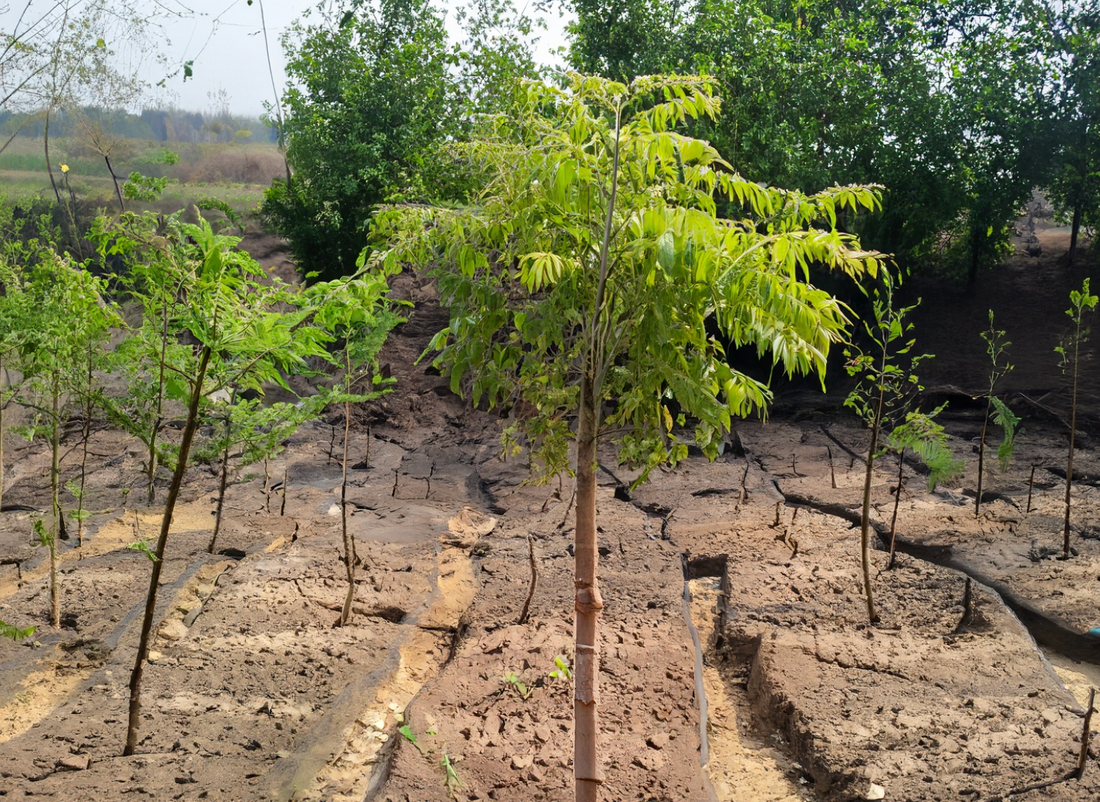
India's reforestation initiatives are revolutionizing how we combat climate change through diverse tree planting techniques. From direct seeding to community-driven agroforestry, these innovative approaches are restoring millions of hectares across t Read more
Trending Tree Plantations - Most Popular Environmental Programs
-
Trees for Mother
Regular price ₹ 299Regular priceUnit price per -
Trees to Honor the Memory of your Loved Ones
Regular price ₹ 299Regular priceUnit price per -
Trees for Women's Day (8th Mar)
Regular price ₹ 299Regular priceUnit price per -
Trees for Wedding Anniversary Celebration
Regular price ₹ 299Regular priceUnit price per -
Trees for Grandmother
Regular price ₹ 299Regular priceUnit price per

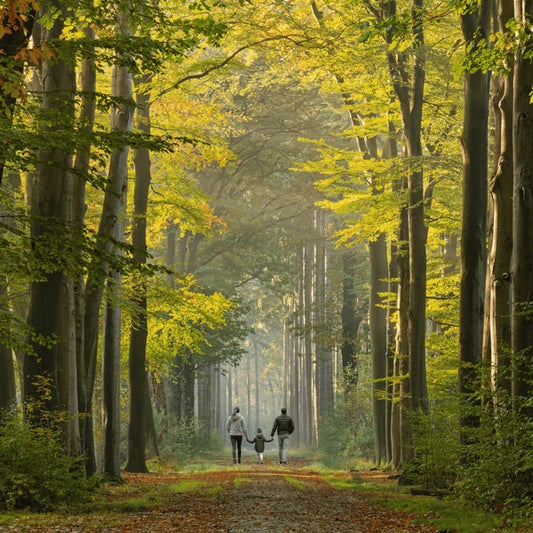



Trees for Corporates - Achieve Net Zero Targets Through Strategic Tree Planting
-
 Project Closed
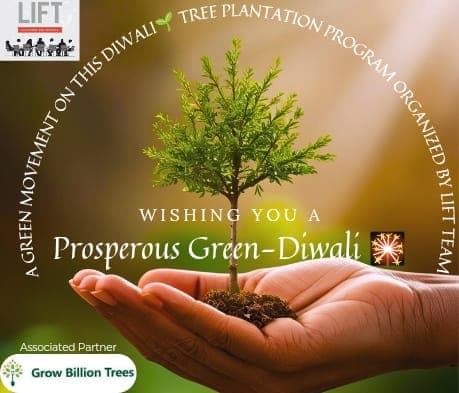
Trees by LIFT Team for Green Diwali: Transform Your Festival
Regular price ₹ 299Regular priceUnit price per -
Trees for a Greener Tomorrow - by Mahindra Lifespaces
Regular price ₹ 299Regular priceUnit price per -
Trees for Environment Day: Plant Your Impact on June 5th
Regular price ₹ 299Regular priceUnit price per -
Trees for Employees: Transform Your Corporate Culture in 2026
Regular price ₹ 299Regular priceUnit price per -
 Project Closed
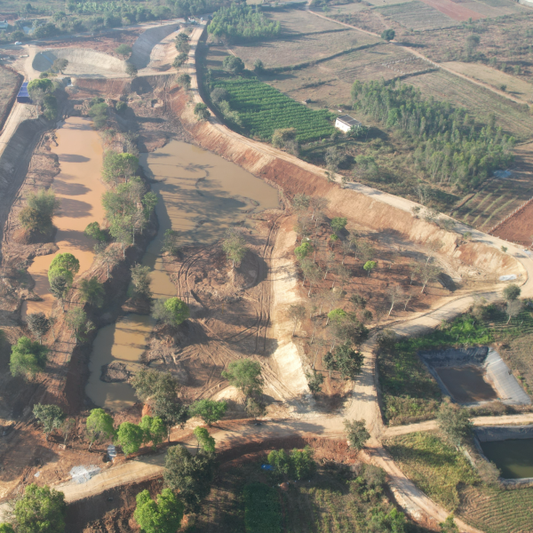
Trees for Bangalore: Plant Native Trees in Garden City ₹299
Regular price ₹ 799Regular priceUnit price per
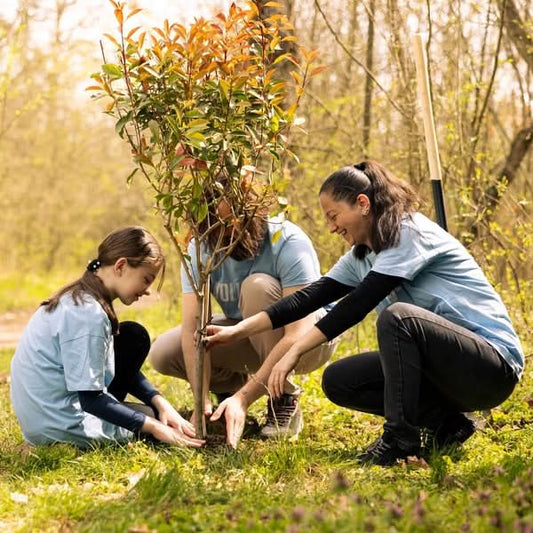
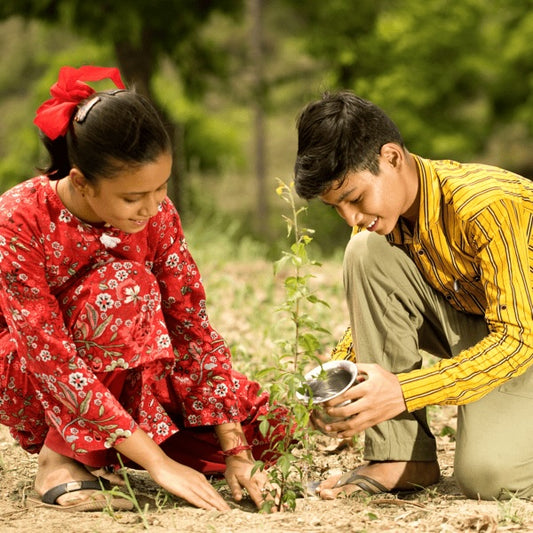
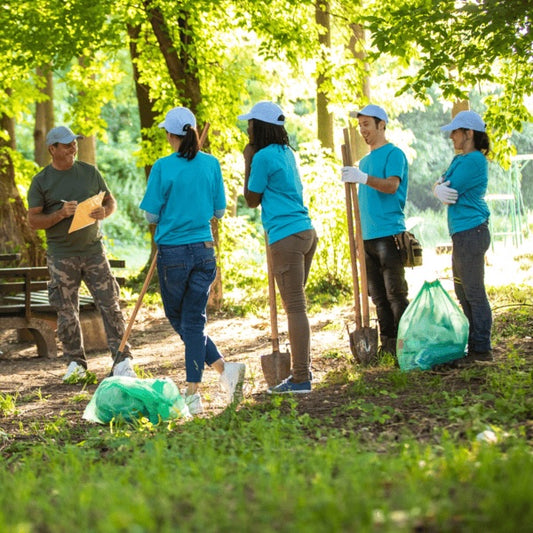
Tree Planting Techniques for Reforestation in India Guide
India's reforestation initiatives are revolutionizing how we combat climate change through diverse tree planting techniques. From direct seeding to community-driven agroforestry, these innovative approaches are restoring millions of hectares across the nation. Exploring tree planting techniques for reforestation in India reveals a comprehensive strategy that combines traditional wisdom with modern technology to achieve ambitious goals like planting 100 crore trees.
✅ Direct Seeding: Cost-Effective Forest Restoration
Direct seeding stands as one of the most efficient techniques for large-scale reforestation in India. This method involves sowing seeds directly into prepared soil, eliminating the transplantation phase entirely. The technique proves particularly valuable in remote areas where transporting saplings becomes challenging.
Grow Billion Trees employs direct seeding extensively, carefully selecting native species adapted to local conditions. The process begins with site preparation, followed by strategic seed placement at optimal depths. Success rates improve significantly when combined with proper soil preparation and moisture management.
According to the United Nations Environment Programme, direct seeding can reduce reforestation costs by up to 70% compared to traditional transplanting methods. This efficiency enables organizations to maximize their impact within budget constraints.
🌱 Afforestation Through Saplings: Nurturing Future Forests
Sapling-based afforestation represents the backbone of India's reforestation efforts. This technique involves cultivating seedlings in controlled nursery environments before transplanting them to designated sites. The method ensures higher survival rates and allows for better quality control.
Nursery operations focus on growing native species that support local ecosystems and biodiversity. Each sapling receives individual attention during its early growth phases, including proper nutrition, pest management, and hardening processes. This meticulous care translates to stronger, more resilient trees upon transplantation.
The 4ft Tree Planting + 3 Years Care + GeoTag program demonstrates how modern technology enhances traditional sapling techniques. GPS tracking enables precise monitoring of each planted tree, ensuring accountability and long-term survival tracking.
🚜 Agroforestry: Integrating Trees with Agriculture
Agroforestry emerges as a game-changing technique that combines tree planting with agricultural productivity. This approach addresses both reforestation goals and farmer livelihoods simultaneously. Trees planted alongside crops provide shade, windbreaks, and soil stabilization while generating additional income streams.
Successful agroforestry systems in India typically feature nitrogen-fixing species that enhance soil fertility naturally. Farmers benefit from improved crop yields, reduced erosion, and diversified income sources through timber, fruits, or medicinal plants. The technique proves especially valuable in degraded agricultural lands.
Strategic species selection remains crucial for agroforestry success. Fast-growing leguminous trees like Gliricidia and Sesbania provide quick canopy cover while enriching soil nutrients. Fruit-bearing species offer long-term economic benefits, encouraging farmer participation in reforestation programs.
💡 Miyawaki Method: Creating Dense Native Forests
The Miyawaki technique revolutionizes urban and peri-urban reforestation by creating dense, native forests in compact spaces. This Japanese-inspired method plants multiple native species closely together, mimicking natural forest succession patterns. Results include 10 times faster growth rates and 30 times denser vegetation compared to conventional plantations.
Implementation begins with thorough soil analysis and preparation, often requiring organic amendments to restore fertility. Species selection focuses entirely on indigenous plants that historically thrived in the region. The dense planting pattern encourages natural competition, leading to stronger, more resilient forest ecosystems.
Urban areas across India increasingly adopt Miyawaki forests for air purification, temperature regulation, and biodiversity conservation. These compact forests mature within 3-5 years, providing immediate environmental benefits in densely populated areas.
🌊 Mangrove Restoration: Protecting Coastal Ecosystems
Mangrove restoration techniques address India's critical coastal conservation needs. These specialized ecosystems require unique planting approaches due to saltwater conditions and tidal influences. Successful mangrove reforestation involves careful species selection, optimal timing, and understanding tidal patterns.
Propagule collection and nursery cultivation precede field planting activities. Young mangrove plants require protection from strong waves and extreme weather during establishment phases. Bamboo barriers and natural windbreaks often supplement newly planted areas.
The United Nations Climate Change initiative recognizes mangrove restoration as crucial for climate adaptation and coastal protection. These ecosystems sequester carbon at rates 3-4 times higher than terrestrial forests while providing natural disaster protection.
👥 Community Engagement: Building Sustainable Partnerships
Community participation transforms reforestation from temporary projects into sustainable, long-term conservation efforts. Local communities possess invaluable traditional knowledge about native species, soil conditions, and seasonal patterns. Their involvement ensures project continuity beyond initial planting phases.
Educational programs raise awareness about environmental benefits while providing practical training in tree care techniques. Community members learn proper watering, pruning, and pest management practices. This knowledge transfer creates local capacity for ongoing forest maintenance and expansion.
Social ownership develops when communities participate in species selection, site preparation, and ongoing care activities. The Plant a Tree in your Name program encourages personal connections between individuals and specific trees, fostering long-term stewardship relationships.
⭐ Technology Integration in Modern Reforestation
Advanced technologies enhance traditional tree planting techniques through precision monitoring and data-driven decision making. GeoTag technology enables real-time tracking of individual trees, providing unprecedented accountability in reforestation projects. Satellite imagery monitors forest cover changes and identifies optimal planting locations.
Drone technology accelerates seed distribution in difficult terrain while reducing labor costs. Automated irrigation systems ensure consistent water supply during critical establishment periods. Mobile applications connect volunteers, farmers, and organizations for coordinated planting activities.
Data analytics optimize species selection based on local climate patterns, soil conditions, and historical success rates. This scientific approach improves survival rates while reducing resource wastage in large-scale reforestation initiatives.
🎯 Achieving Net Zero Targets Through Strategic Reforestation
Corporate and government Net Zero Targets increasingly rely on reforestation as a primary carbon offset strategy. Tree planting techniques must align with specific carbon sequestration goals while ensuring ecological integrity. Native species selection maximizes both carbon storage and biodiversity benefits.
Long-term monitoring protocols track carbon sequestration rates across different forest types and management practices. This data informs future planting decisions and helps organizations demonstrate measurable climate impact. Combating Climate Change Through Collective Action requires coordinated efforts across multiple stakeholders.
The World Wildlife Fund emphasizes that successful reforestation must consider ecosystem restoration rather than simple tree counting. Quality forest establishment provides lasting environmental benefits beyond carbon sequestration.
📊 Measuring Success: Key Performance Indicators
Effective reforestation requires comprehensive monitoring systems that track multiple success indicators. Survival rates provide immediate feedback on planting technique effectiveness and site suitability. Growth measurements indicate long-term forest health and carbon sequestration potential.
Biodiversity assessments evaluate ecosystem restoration success beyond tree establishment. Native wildlife return, soil health improvements, and water retention capacity demonstrate comprehensive environmental recovery. These metrics guide adaptive management strategies for ongoing projects.
Economic indicators measure community benefits and program sustainability. Income generation through agroforestry, employment creation, and ecosystem service values justify continued investment in reforestation initiatives. Cost-per-tree metrics help optimize resource allocation across different techniques.
Frequently Asked Questions
What are the most effective tree planting techniques for reforestation in India?
The most effective techniques include direct seeding for large-scale projects, sapling transplantation for higher survival rates, agroforestry for agricultural integration, and the Miyawaki method for dense urban forests. Each technique suits different environmental conditions and project objectives.
How does direct seeding compare to sapling transplantation in terms of success rates?
Direct seeding typically achieves 60-70% success rates while costing significantly less than sapling transplantation, which achieves 80-90% survival rates but requires higher initial investment. The choice depends on project scale, budget, and site conditions.
What role does community engagement play in reforestation success?
Community engagement proves crucial for long-term reforestation success, with community-managed projects showing 85% higher survival rates after five years. Local communities provide ongoing care, traditional knowledge, and protection against threats like grazing and fires.
How does the Miyawaki method differ from traditional forest planting?
The Miyawaki method plants native species 10 times denser than traditional methods, resulting in forests that grow 10 times faster and become 30 times denser. This technique creates self-sustaining ecosystems within 3-5 years compared to 20-30 years for conventional plantations.
What are the key factors for successful mangrove restoration?
Successful mangrove restoration requires proper species selection for local salinity levels, optimal planting timing with tidal patterns, adequate protection from wave action, and community involvement for long-term maintenance. Site preparation and propagule quality also significantly impact success rates.
How do modern technologies enhance traditional tree planting techniques?
Technologies like GeoTag tracking, drone seeding, satellite monitoring, and mobile applications improve planting precision, reduce costs, enable real-time monitoring, and facilitate community coordination. These tools increase overall project efficiency and accountability.
What is the typical cost difference between various reforestation techniques?
Direct seeding costs approximately ₹50-100 per tree, sapling transplantation ranges from ₹200-400 per tree, while Miyawaki forests cost ₹300-500 per square meter. Agroforestry often generates positive returns through agricultural integration and diversified income streams.
How long does it take for different tree planting techniques to show results?
Direct seeding shows initial growth within 6-12 months, saplings establish within 3-6 months, Miyawaki forests develop canopy cover within 2-3 years, and agroforestry systems begin providing benefits within 1-2 years depending on species selection.
What are the main challenges faced in reforestation projects in India?
Primary challenges include water scarcity, soil degradation, grazing pressure, extreme weather events, inadequate funding, and limited community awareness. Successful projects address these challenges through proper site selection, community engagement, and adaptive management strategies.
How can individuals contribute to reforestation efforts in India?
Individuals can Plant a Tree in your Name through organizations like Grow Billion Trees, participate in community planting events, support agroforestry initiatives, adopt trees for long-term care, and spread awareness about reforestation benefits. Every contribution helps achieve the goal of planting 100 crore trees.Exploring tree planting techniques for reforestation in India reveals a comprehensive approach combining traditional wisdom with innovative technologies. Success depends on selecting appropriate techniques for specific conditions, engaging local communities, and maintaining long-term monitoring systems. Through coordinated efforts and proven methodologies, India continues advancing toward ambitious reforestation goals while combating climate change through collective action.Ready to contribute to India's reforestation mission? Discover how you can plant a tree in your name and join thousands of others working toward a greener, more sustainable future for our planet.
You may also like
-
Gift a Tree - Meaningful Environmental Gifts That Make a Difference
Transform your gift-giving with meaningful environmental gifts that create lasting impact for...
-
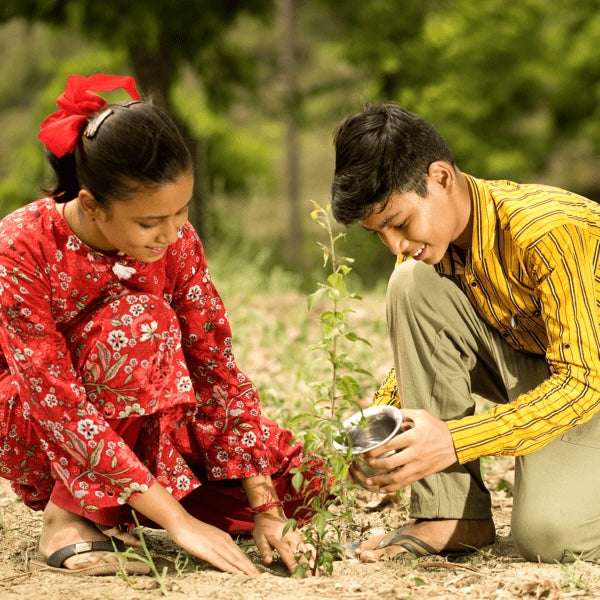
Trees For Shiv Ji - Sacred Tree Planting to Honor Lord Shiva
Honor Lord Shiva through sacred tree planting with Trees For Shiv Ji,...
-

Tree Plantations for Shri Ram - Sacred Devotional Planting Services
Honor Lord Shri Ram through meaningful tree plantations for Shri Ram that...
-
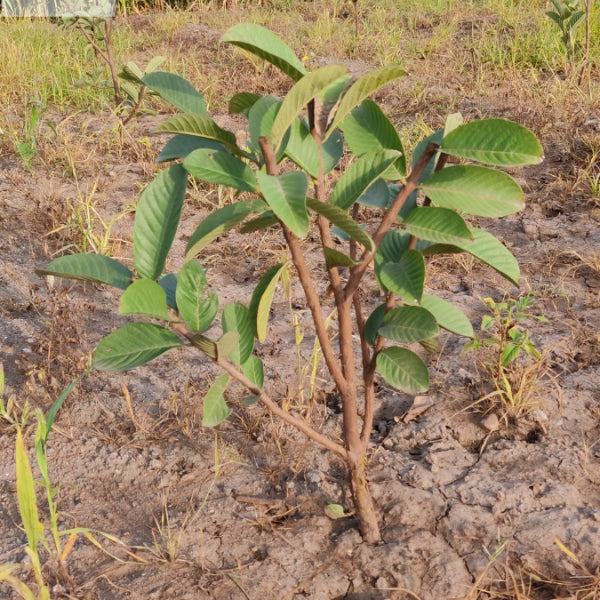
Tree Plantation on Navratri - Celebrate Divine Festivals with Environmental Devotion
Tree plantation on Navratri transforms the sacred nine-day festival into a powerful...
-
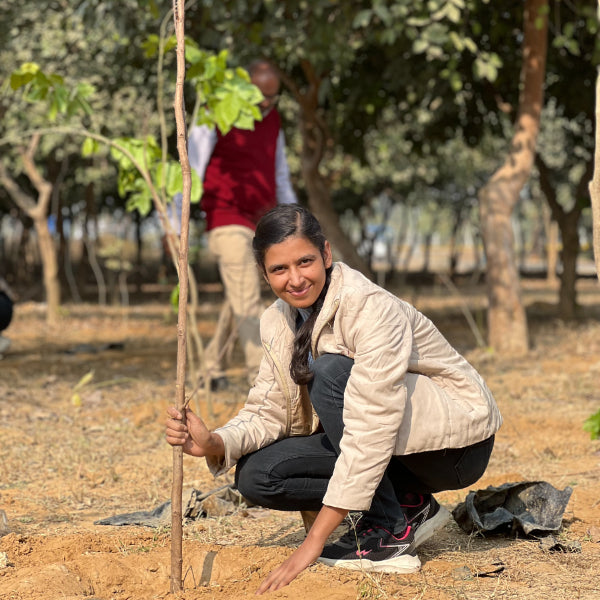
Tree Plantation by Cause - Plant Trees for Every Purpose | Grow Billion Trees
Transform your environmental impact with purpose-driven tree plantation by cause programs that...
Corporate Plantations
-
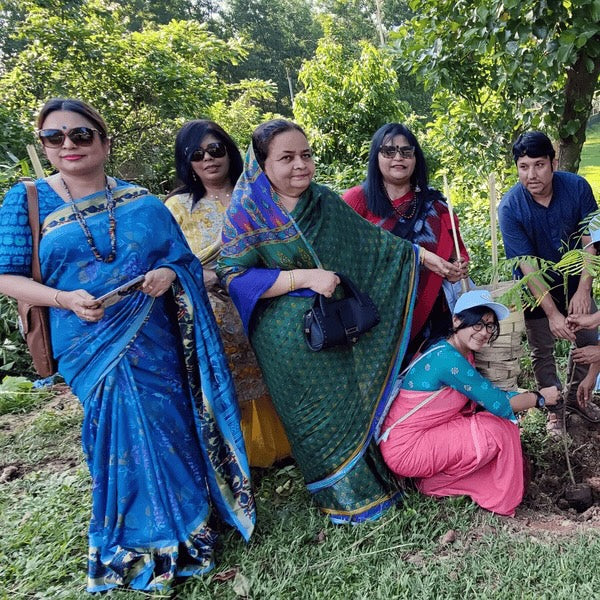
Trees for Corporates - Achieve Net Zero Targets Through Strategic Tree Planting
Trees for Corporates - Strategic Environmental SolutionsTransform your corporate environmental impact with...
-
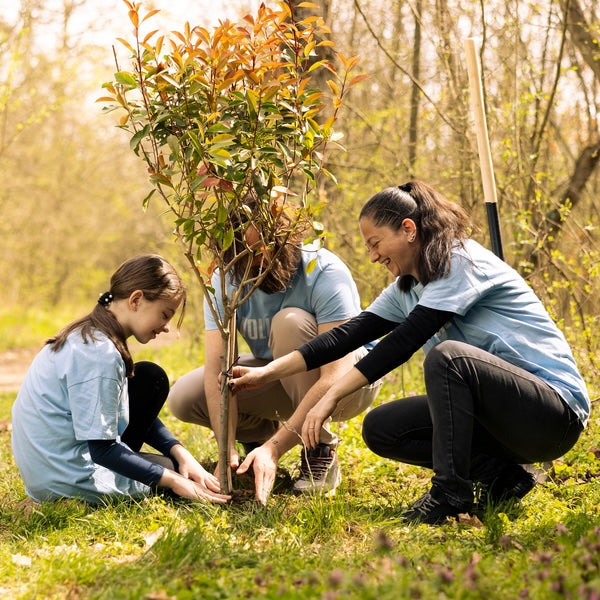
Tree Plantation for CSR - Corporate Environmental Programs | Grow Billion Trees
Tree Plantation for CSR - Transform Your Corporate Environmental ImpactTree plantation for...
-
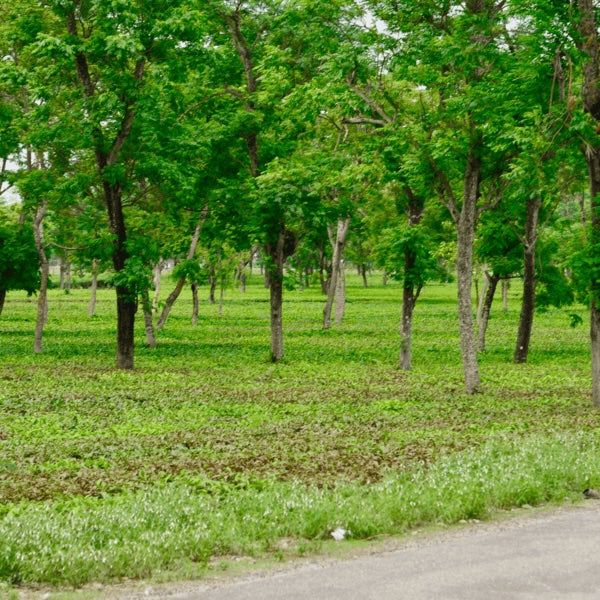
Tree Plantation for SDG - Support Sustainable Development Goals
Tree plantation for SDG initiatives represents a powerful pathway to achieving multiple...
-
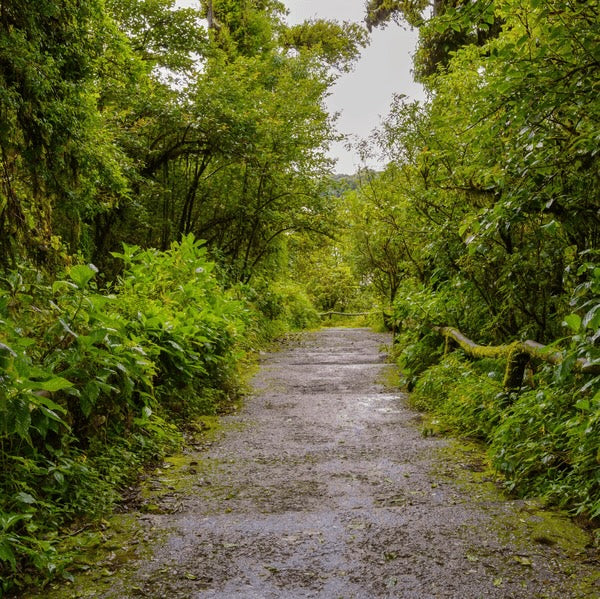
Corporate Tree Plantation Programs - Sustainable ESG Environmental Solutions for Net Zero Targets
Transform your organization's environmental impact with our comprehensive Corporate Tree Plantation Programs...
-
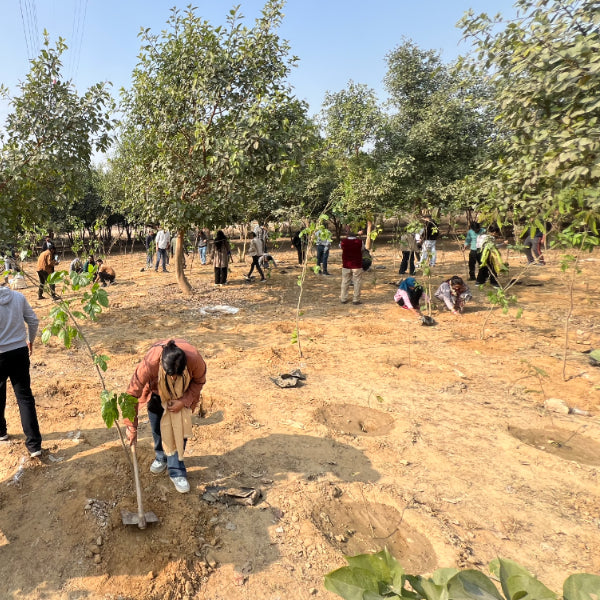
Tree Plantation by Location - Plant Trees Across India
Transform landscapes nationwide through our comprehensive tree plantation by location program. When...
Most Popular Tree Plantations - Top Choices for Environmental Impact
-
Trees for Mother
Regular price ₹ 299Regular priceUnit price per -
Trees to Honor the Memory of your Loved Ones
Regular price ₹ 299Regular priceUnit price per -
Trees for Wedding Anniversary Celebration
Regular price ₹ 299Regular priceUnit price per -
Trees for Grandmother
Regular price ₹ 299Regular priceUnit price per -
Trees for Grandfather
Regular price ₹ 299Regular priceUnit price per

Connect with us
-
👥 Corporates
If you are looking for:
- 🌲 Tree Plantation Events
- 📊 CSR Projects
📧 corporate@growbilliontrees.com
📞 +91 9699723523
💬 +91 9325931304 WhatsApp (Only)
🕒 Mon - Sat | 10am - 7pm IST
-
🧩 Tree Plantation NGOs
If you are looking for:
- 💰 Financial Assistance
- 🤝 Operational Support
📧 support@growbilliontrees.com
📞 +91 9699723523
💬 +91 9325931304 WhatsApp (Only)
🕒 Mon - Sat | 10am - 7pm IST
-
🌼 Individuals
If you are looking for:
- 👥 Group Tree Plantation Drive
- 🌳 Bulk Tree Plantation
📞 +91 9699723523
💬 +91 9325931304 WhatsApp (Only)
🕒 Mon - Sat | 10am - 7pm IST
