
In a world grappling with climate change and environmental degradation, the concept of transforming deserts into thriving oases might seem like a distant dream. However, across the globe, ambitious reforestation projects are turning this dream into a Read more
Trending Tree Plantations - Most Popular Environmental Programs
-
Trees for Mother
Regular price ₹ 299Regular priceUnit price per -
Trees to Honor the Memory of your Loved Ones
Regular price ₹ 299Regular priceUnit price per -
Trees for Women's Day (8th Mar)
Regular price ₹ 299Regular priceUnit price per -
Trees for Wedding Anniversary Celebration
Regular price ₹ 299Regular priceUnit price per -
Trees for Grandmother
Regular price ₹ 299Regular priceUnit price per




Trees for Corporates - Achieve Net Zero Targets Through Strategic Tree Planting
-
 Project Closed
Trees by LIFT Team for Green Diwali: Transform Your Festival
Regular price ₹ 299Regular priceUnit price per -
Trees for a Greener Tomorrow - by Mahindra Lifespaces
Regular price ₹ 299Regular priceUnit price per -
Trees for Environment Day: Plant Your Impact on June 5th
Regular price ₹ 299Regular priceUnit price per -
 Project Closed
Trees for Bangalore: Plant Native Trees in Garden City ₹299
Regular price ₹ 799Regular priceUnit price per -
Trees for Employees: Transform Your Corporate Culture in 2026
Regular price ₹ 299Regular priceUnit price per
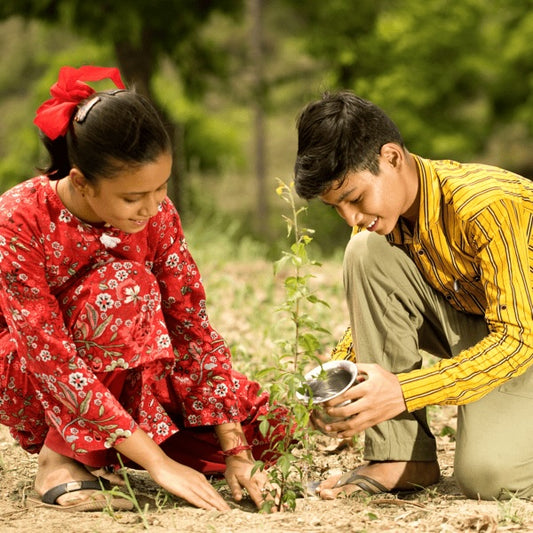
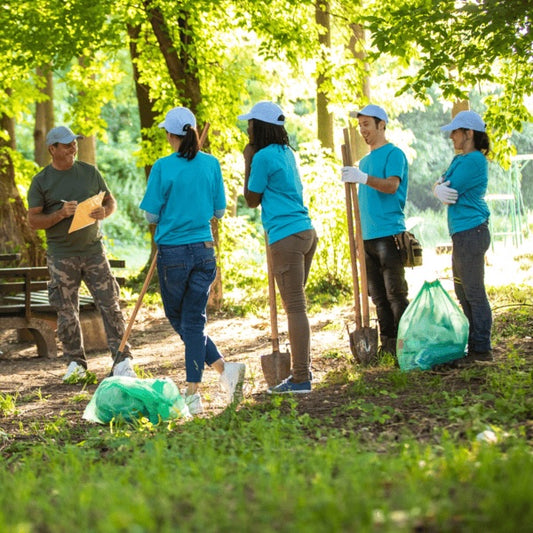
From Desert to Oasis: Reforestation Projects Transforming World
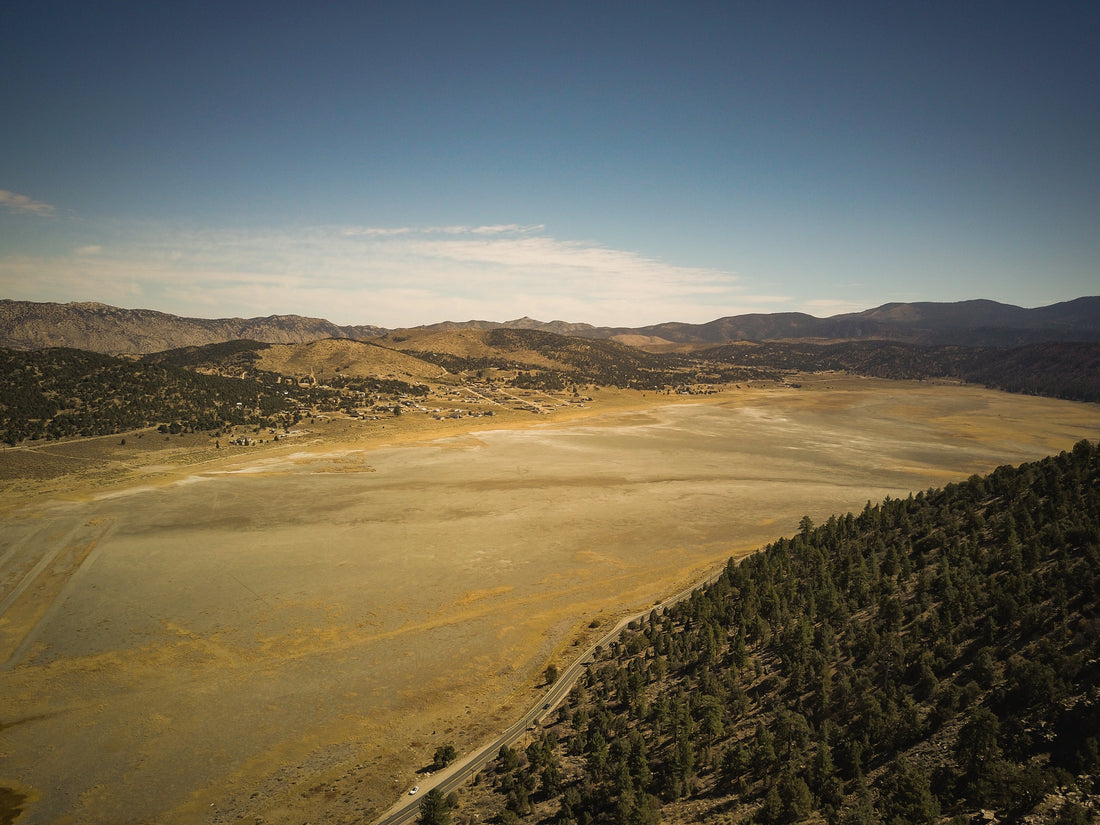
In a world grappling with climate change and environmental degradation, the concept of transforming deserts into thriving oases might seem like a distant dream. However, across the globe, ambitious reforestation projects are turning this dream into a reality. These initiatives are not only combating the adverse effects of deforestation but also offering a glimmer of hope for a sustainable and green future, demonstrating how Plant a tree in your Name initiatives contribute to global restoration efforts.
According to the United Nations Climate Change action framework, reforestation stands as one of the most effective natural solutions for carbon sequestration and ecosystem restoration. These transformative projects showcase humanity's remarkable ability to heal damaged landscapes and create sustainable environments for future generations.
✅ The Battle Against Desertification: Understanding the Challenge
Desertification, the process by which fertile land becomes desert, poses a significant threat to global ecosystems. The World Wildlife Fund reports that deforestation and forest degradation affect millions of hectares annually, creating barren landscapes that struggle to support life.
The loss of vegetation, often exacerbated by human activities and climate change, results in devastating environmental consequences. Reforestation emerges as a powerful weapon in the battle against desertification, offering a holistic approach to restore and revitalize these degraded environments through strategic tree planting initiatives.
Our experience working with communities worldwide demonstrates that successful reforestation requires understanding local ecosystems, soil conditions, and climate patterns. This comprehensive approach ensures that 4ft Tree Planting + 3 Years Care + GeoTag programs achieve maximum environmental impact and long-term sustainability.
⭐ The Great Green Wall - Africa's Ambitious Vision
In the heart of Africa, the Great Green Wall represents an awe-inspiring example of reforestation on an unprecedented scale. Stretching across 8,000 kilometers from Senegal in the west to Djibouti in the east, this initiative aims to create a mosaic of green and productive landscapes.
By planting a wide variety of native trees and plants, the Great Green Wall seeks to combat desertification, improve soil fertility, and provide livelihoods for millions of people in the region. This massive undertaking demonstrates how collective action can transform entire continents, embodying the principle of Combating Climate Change Through Collective Action.
The project has already restored over 12 million hectares of degraded land, creating jobs for rural communities while sequestering millions of tons of carbon dioxide. Such large-scale initiatives inspire our mission to plant 100 crore trees across India, contributing to global reforestation efforts.
🌱 China's Greening Miracle - The Loess Plateau Project
China's Loess Plateau Project showcases the transformative power of strategic reforestation and sustainable land management. Once a dusty and eroded landscape covering 640,000 square kilometers, the Loess Plateau underwent a remarkable metamorphosis through large-scale tree planting, water conservation, and innovative agricultural practices.
This project prevented soil erosion affecting over 100 million people while significantly improving water quality and restoring biodiversity in the region. The success demonstrates how combining traditional knowledge with modern techniques creates lasting environmental transformation.
The Loess Plateau restoration involved planting over 2.4 billion trees and converting steep farmland back to forest and grassland. This comprehensive approach reduced sediment flow into the Yellow River by 90%, proving that from desert to oasis transformations are achievable with proper planning and execution.
💡 India's Commitment to Green Cover and Innovation
India, with its diverse ecosystems spanning from the Himalayas to coastal regions, has embraced the reforestation movement through multiple innovative approaches. The ambitious Green India Mission aims to increase the country's forest and tree cover while enhancing biodiversity and providing numerous ecosystem services.
Community-driven initiatives, such as the Miyawaki method, focus on planting native trees in urban areas, fostering connections between people and the environment while combating rapid urbanization effects. These urban forests grow 10 times faster and become 30 times denser than conventional plantations.
Our agroforestry programs integrate tree planting with agricultural practices, helping farmers increase crop yields while contributing to environmental restoration. This approach supports rural livelihoods while advancing Net Zero Targets through carbon sequestration and sustainable land use practices.
Cities like Mumbai, Bangalore, Delhi, Chennai, and Hyderabad have witnessed remarkable urban forest transformations through strategic reforestation initiatives. These projects demonstrate how metropolitan areas can become green havens through dedicated environmental action.
🌍 Beyond Borders - Global Collaboration and Impact
Reforestation projects transcend national boundaries, becoming a global movement uniting international organizations, governments, and local communities. The United Nations Sustainable Development Goals emphasize the critical role of forest restoration in achieving environmental sustainability and climate resilience.
The Bonn Challenge, a global effort to restore 350 million hectares of degraded land by 2030, exemplifies the collaborative spirit needed to address land degradation on a planetary scale. This initiative has already secured commitments to restore over 74 million hectares across 77 countries.
International cooperation enables knowledge sharing, technology transfer, and financial support for large-scale reforestation projects. We found that successful initiatives combine global expertise with local community engagement, ensuring cultural sensitivity and environmental effectiveness.
Corporate partnerships play increasingly important roles in scaling reforestation efforts. Companies seeking to achieve sustainability goals partner with organizations like Grow Billion Trees to offset carbon emissions while contributing to meaningful environmental restoration.
⚡ The Role of Technology in Modern Reforestation
In the 21st century, technology revolutionizes reforestation efforts through precision, efficiency, and measurable impact. Satellite monitoring systems track forest growth, while advanced planting techniques optimize survival rates and ecosystem development.
Drones survey vast areas, identifying optimal planting locations and monitoring tree health over time. Data analytics help optimize planting strategies, ensuring the right native species are planted in appropriate locations for maximum ecological benefit.
Our GeoTag technology allows tree planters to track their individual trees, creating personal connections with environmental restoration efforts. This innovation makes reforestation transparent and engaging, encouraging continued participation in conservation activities.
Artificial intelligence analyzes soil conditions, climate patterns, and species compatibility to predict reforestation success rates. These technological advances increase project efficiency while reducing costs and environmental risks associated with large-scale tree planting initiatives.
🌿 Mangrove Restoration: Coastal Desert to Oasis Transformation
Coastal reforestation through mangrove restoration represents another remarkable from desert to oasis transformation. These unique ecosystems protect shorelines from erosion while providing critical habitat for marine life and carbon sequestration services.
Mangrove forests can store up to four times more carbon per hectare than terrestrial forests, making them invaluable for climate change mitigation. Our mangrove restoration projects focus on degraded coastal areas, transforming barren mudflats into thriving marine ecosystems.
These coastal forests serve as natural barriers against tsunamis and storm surges, protecting millions of people living in vulnerable coastal communities. The restoration process involves careful species selection, community engagement, and long-term monitoring to ensure ecosystem sustainability.
Successful mangrove restoration requires understanding tidal patterns, salinity levels, and local marine ecology. Our certified experts work with coastal communities to establish sustainable management practices that benefit both people and the environment.
🏙️ Urban Forestry: Creating Green Oases in Concrete Deserts
Urban forestry initiatives transform concrete jungles into green oases, improving air quality, reducing urban heat islands, and enhancing quality of life for city residents. These projects demonstrate that reforestation extends beyond rural areas to encompass metropolitan environments.
Street tree planting programs, rooftop gardens, and vertical forests create green corridors throughout urban landscapes. Research shows that urban trees can reduce air temperatures by up to 9°F while filtering thousands of pounds of pollutants annually.
Community gardens and food forests provide fresh produce while educating residents about sustainable living practices. These initiatives foster environmental awareness and create social connections among diverse urban populations.
Our urban forestry programs focus on native species selection, ensuring planted trees thrive in challenging urban conditions while providing maximum environmental benefits. Proper tree care and community engagement guarantee long-term project success.
📊 Measuring Success: Environmental and Social Impact
Successful reforestation projects require comprehensive impact measurement spanning environmental restoration, carbon sequestration, biodiversity enhancement, and community development. We track multiple indicators to ensure projects achieve intended outcomes and provide lasting benefits.
Environmental metrics include tree survival rates, carbon storage capacity, soil health improvement, and wildlife habitat creation. Social indicators encompass job creation, community engagement levels, and educational program participation rates.
Our verified tracking systems monitor tree growth over three years, providing transparent reporting on environmental impact. This accountability ensures donors and partners understand their contributions' real-world effects on ecosystem restoration.
Independent third-party assessments validate project outcomes, building trust with stakeholders and demonstrating the effectiveness of reforestation initiatives. These evaluations guide continuous improvement in planting techniques and community engagement strategies.
Frequently Asked Questions
How long does it take to transform a desert area into a forest oasis?
Desert to oasis transformation typically requires 5-10 years for visible results, with full ecosystem establishment taking 15-25 years. Success depends on species selection, water availability, soil conditions, and ongoing maintenance. Our experience shows that proper planning and community engagement significantly accelerate the transformation process.
What are the most effective tree species for desert reforestation?
Effective desert reforestation relies on native, drought-resistant species such as acacia, neem, and indigenous shrubs. These plants naturally adapt to local climate conditions while requiring minimal water resources. We select species based on scientific soil analysis and local ecological assessments to maximize survival rates.
How do reforestation projects help combat climate change?
Reforestation combats climate change through carbon sequestration, with mature trees storing 48 pounds of CO2 annually. Forest ecosystems also regulate local weather patterns, reduce soil erosion, and create cooling effects that mitigate urban heat islands. Large-scale projects can significantly impact regional climate stability.
What role do local communities play in successful reforestation?
Local communities are essential for reforestation success, providing ongoing tree care, protection from grazing animals, and traditional ecological knowledge. Community engagement ensures project sustainability while creating economic opportunities through agroforestry, eco-tourism, and forest product development.
How much does it cost to plant and maintain trees in reforestation projects?
Tree planting costs vary by location and species, with our programs offering comprehensive planting for ₹299 per tree, including 3 years of care and GeoTag tracking. This investment covers seedling procurement, site preparation, planting, and maintenance activities essential for tree establishment.
Can reforestation projects prevent natural disasters?
Reforestation significantly reduces disaster risks by preventing soil erosion, reducing flood impacts, and stabilizing slopes prone to landslides. Mangrove restoration protects coastal areas from storm surges, while mountain forests prevent avalanches and regulate water flow patterns.
What technologies are used in modern reforestation efforts?
Modern reforestation employs satellite monitoring, drone surveys, GPS tracking, and data analytics to optimize planting strategies and monitor tree growth. Our GeoTag technology allows individual tree tracking, while soil sensors monitor moisture levels and growth conditions for improved success rates.
How do corporate partnerships support large-scale reforestation?
Corporate partnerships provide essential funding and expertise for scaling reforestation projects while helping companies achieve Net Zero Targets. These collaborations combine business resources with environmental expertise, creating sustainable funding models for long-term forest restoration initiatives.
→ Taking Action: Your Role in Global Reforestation
The transformation from desert to oasis requires collective action from individuals, communities, and organizations worldwide. Every tree planted contributes to global environmental restoration while creating local economic opportunities and ecosystem benefits.
Whether celebrating birthdays, memorializing loved ones, or seeking meaningful gifts, tree planting offers lasting impact that grows stronger over time. Our personalized certificates and GeoTag tracking create meaningful connections between planters and their environmental contributions.
Corporate environmental responsibility programs can achieve significant scale through strategic reforestation partnerships. We work with businesses to develop comprehensive sustainability strategies that align with operational goals while delivering measurable environmental impact.
Educational initiatives and community engagement programs ensure that reforestation knowledge transfers to future generations. By participating in these efforts, individuals become environmental stewards contributing to planetary healing and sustainable development.
🌟 Conclusion: Seeds of Hope for a Greener Future
Reforestation projects represent humanity's remarkable ability to heal damaged ecosystems and create sustainable environments for future generations. As we witness the transformation of deserts into vibrant oases across Africa, Asia, and beyond, it becomes evident that collective environmental action can reverse decades of degradation.
The success stories from the Great Green Wall, China's Loess Plateau, and India's urban forests demonstrate that ambitious reforestation goals are achievable through proper planning, community engagement, and technological innovation. These initiatives prove that from desert to oasis transformations create lasting environmental and social benefits.
By supporting and scaling up these initiatives through organizations like Grow Billion Trees, we contribute to a more sustainable and resilient world where lush green landscapes replace barren deserts. Our mission to plant 100 crore trees by June 2030 represents just one part of the global movement toward environmental restoration.
It's not just about planting trees; it's about sowing the seeds of a better, greener future for generations to come. Discover how you can plant a tree in your name and join millions of environmental stewards working to combat climate change through collective action. Together, we can transform our world from desert to oasis, one tree at a time.
You may also like
-
Gift a Tree - Meaningful Environmental Gifts That Make a Difference
Transform your gift-giving with meaningful environmental gifts that create lasting impact for...
-
Trees For Shiv Ji - Sacred Tree Planting to Honor Lord Shiva
Honor Lord Shiva through sacred tree planting with Trees For Shiv Ji,...
-

Tree Plantations for Shri Ram - Sacred Devotional Planting Services
Honor Lord Shri Ram through meaningful tree plantations for Shri Ram that...
-
Tree Plantation on Navratri - Celebrate Divine Festivals with Environmental Devotion
Tree plantation on Navratri transforms the sacred nine-day festival into a powerful...
-
Tree Plantation by Cause - Plant Trees for Every Purpose | Grow Billion Trees
Transform your environmental impact with purpose-driven tree plantation by cause programs that...
Corporate Plantations
-
Trees for Corporates - Achieve Net Zero Targets Through Strategic Tree Planting
Trees for Corporates - Strategic Environmental SolutionsTransform your corporate environmental impact with...
-
Tree Plantation for CSR - Corporate Environmental Programs | Grow Billion Trees
Tree Plantation for CSR - Transform Your Corporate Environmental ImpactTree plantation for...
-
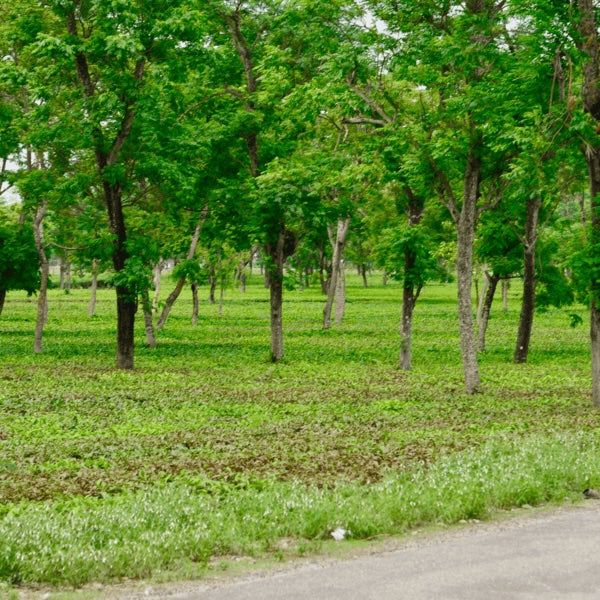
Tree Plantation for SDG - Support Sustainable Development Goals
Tree plantation for SDG initiatives represents a powerful pathway to achieving multiple...
-
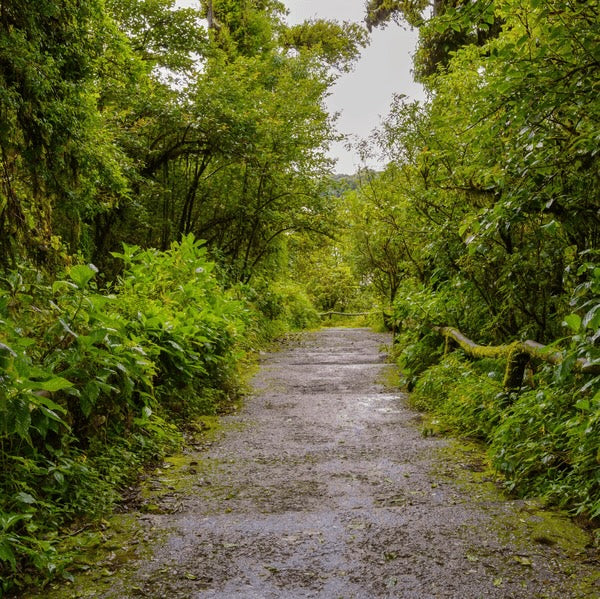
Corporate Tree Plantation Programs - Sustainable ESG Environmental Solutions for Net Zero Targets
Transform your organization's environmental impact with our comprehensive Corporate Tree Plantation Programs...
-
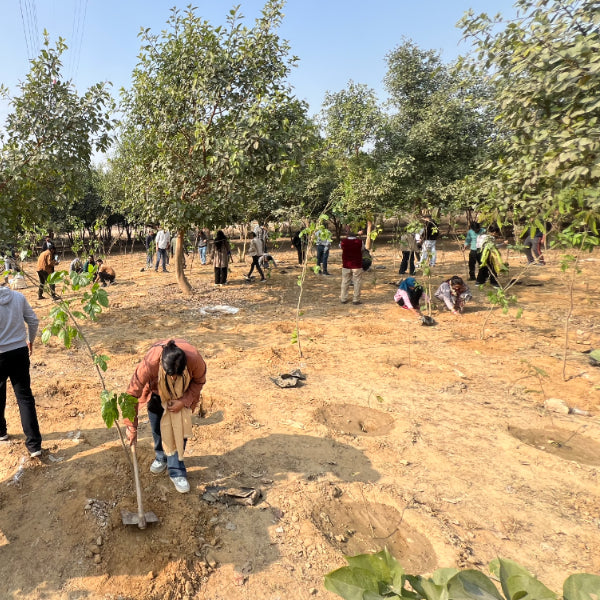
Tree Plantation by Location - Plant Trees Across India
Transform landscapes nationwide through our comprehensive tree plantation by location program. When...
Most Popular Tree Plantations - Top Choices for Environmental Impact
-
Trees for Mother
Regular price ₹ 299Regular priceUnit price per -
Trees to Honor the Memory of your Loved Ones
Regular price ₹ 299Regular priceUnit price per -
Trees for Wedding Anniversary Celebration
Regular price ₹ 299Regular priceUnit price per -
Trees for Grandmother
Regular price ₹ 299Regular priceUnit price per -
Trees for Grandfather
Regular price ₹ 299Regular priceUnit price per

Connect with us
-
👥 Corporates
If you are looking for:
- 🌲 Tree Plantation Events
- 📊 CSR Projects
📧 corporate@growbilliontrees.com
📞 +91 9699723523
💬 +91 9325931304 WhatsApp (Only)
🕒 Mon - Sat | 10am - 7pm IST
-
🧩 Tree Plantation NGOs
If you are looking for:
- 💰 Financial Assistance
- 🤝 Operational Support
📧 support@growbilliontrees.com
📞 +91 9699723523
💬 +91 9325931304 WhatsApp (Only)
🕒 Mon - Sat | 10am - 7pm IST
-
🌼 Individuals
If you are looking for:
- 👥 Group Tree Plantation Drive
- 🌳 Bulk Tree Plantation
📞 +91 9699723523
💬 +91 9325931304 WhatsApp (Only)
🕒 Mon - Sat | 10am - 7pm IST
