
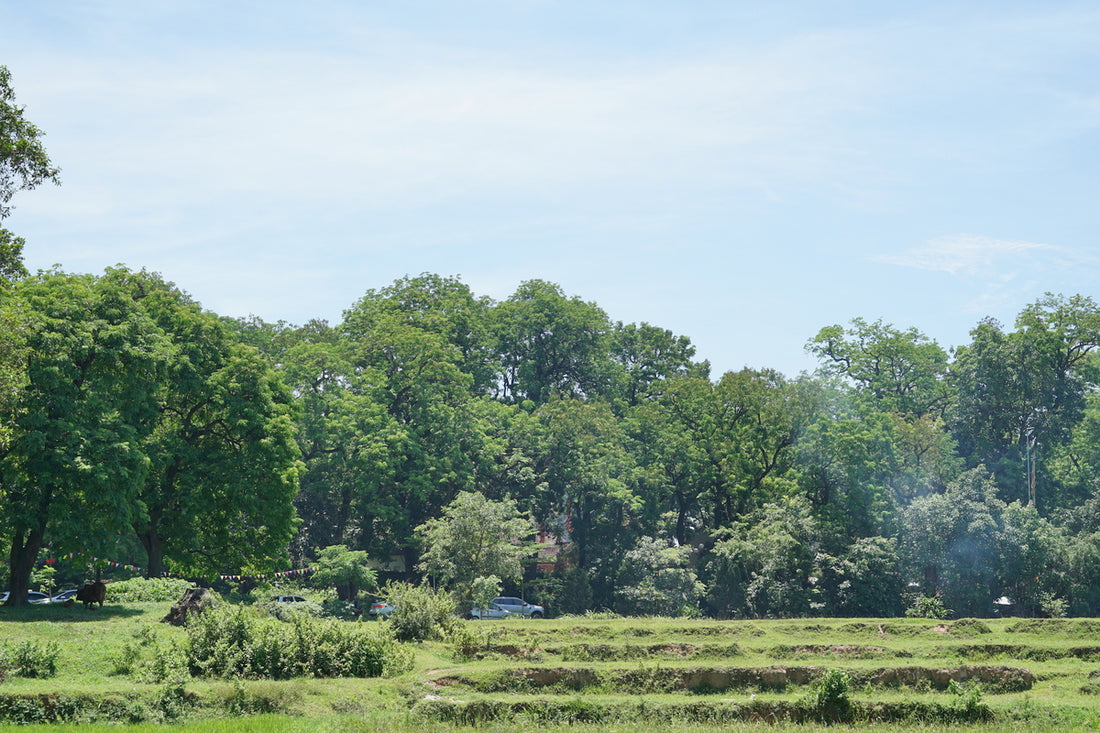
India's ambitious reforestation initiatives are transforming the landscape of environmental conservation, with organizations like Grow Billion Trees leading the charge to plant 100 crore trees by 2030. These comprehensive efforts combine traditional Read more
Trending Tree Plantations - Most Popular Environmental Programs
-
Trees for Mother
Regular price ₹ 299Regular priceUnit price per -
Trees to Honor the Memory of your Loved Ones
Regular price ₹ 299Regular priceUnit price per -
Trees for Women's Day (8th Mar)
Regular price ₹ 299Regular priceUnit price per -
Trees for Wedding Anniversary Celebration
Regular price ₹ 299Regular priceUnit price per -
Trees for Grandmother
Regular price ₹ 299Regular priceUnit price per





Trees for Corporates - Achieve Net Zero Targets Through Strategic Tree Planting
-
 Project Closed
Trees by LIFT Team for Green Diwali: Transform Your Festival
Regular price ₹ 299Regular priceUnit price per -
Trees for a Greener Tomorrow - by Mahindra Lifespaces
Regular price ₹ 299Regular priceUnit price per -
Trees for Environment Day: Plant Your Impact on June 5th
Regular price ₹ 299Regular priceUnit price per -
Trees for Employees: Transform Your Corporate Culture in 2026
Regular price ₹ 299Regular priceUnit price per -
 Project Closed
Trees for Bangalore: Plant Native Trees in Garden City ₹299
Regular price ₹ 799Regular priceUnit price per
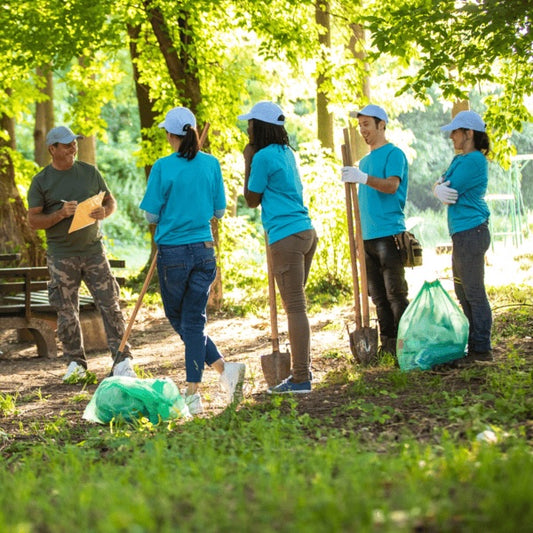
Reforestation Initiatives in India: Greening Our Future
India's ambitious reforestation initiatives are transforming the landscape of environmental conservation, with organizations like Grow Billion Trees leading the charge to plant 100 crore trees by 2030. These comprehensive efforts combine traditional forest restoration with innovative approaches like Miyawaki forests, agroforestry, and mangrove restoration to combat climate change and restore India's green cover.
The Current State of India's Forests ✅
India's forest cover currently spans approximately 24.62% of the country's geographical area, yet the nation faces significant environmental challenges. Rapid urbanization, industrial expansion, and agricultural demands have led to substantial forest loss over recent decades.
According to the World Wildlife Fund's analysis on deforestation, India loses thousands of hectares of forest annually. This alarming trend threatens biodiversity, disrupts water cycles, and accelerates climate change impacts across the subcontinent.
The consequences extend beyond environmental concerns. Forest degradation affects over 200 million people who depend on forest resources for their livelihoods, highlighting the urgent need for comprehensive reforestation initiatives in India.
Leading Organizations in Indian Reforestation ⭐
Several remarkable organizations are spearheading reforestation initiatives in India, each bringing unique approaches and expertise to environmental restoration.
Grow Billion Trees: Pioneering Accessible Reforestation
Grow Billion Trees stands at the forefront of India's reforestation movement, offering an innovative approach where individuals can Plant a tree in your Name for just ₹299. Their comprehensive service includes 4ft Tree Planting + 3 Years Care + GeoTag technology, ensuring transparency and long-term success.
The organization's mission extends beyond simple tree planting, encompassing specialized programs including Miyawaki forest creation, mangrove restoration, and agroforestry initiatives. Their technology-driven approach allows supporters to track their planted trees through GeoTag systems, creating accountability and connection between donors and environmental impact.
Government Initiatives and Policies
The Ministry of Environment, Forest and Climate Change has launched several ambitious programs, including the National Afforestation Programme and the Green India Mission. These initiatives aim to increase forest cover while supporting rural livelihoods through sustainable forest management practices.
State governments across India have implemented region-specific reforestation programs, with Maharashtra, Gujarat, and Rajasthan leading innovative approaches to combat desertification and restore degraded lands.
Innovative Approaches to Forest Restoration 💡
Modern reforestation initiatives in India employ cutting-edge techniques that maximize environmental impact while ensuring sustainable growth.
Miyawaki Method: Dense Urban Forests
The Miyawaki technique creates dense, biodiverse forests in small urban spaces, growing 10 times faster than conventional plantations. Cities like Bangalore, Mumbai, and Delhi have successfully implemented Miyawaki forests, creating green lungs that improve air quality and urban biodiversity.
These compact forests require minimal maintenance after three years and support 30 times more biodiversity than traditional monoculture plantations. The method proves particularly effective for urban reforestation where space constraints limit conventional forest restoration approaches.
Agroforestry: Sustainable Rural Development
Agroforestry programs integrate tree planting with agricultural practices, providing farmers with additional income streams while restoring forest cover. These initiatives support rural communities by offering sustainable alternatives to traditional farming methods.
Farmers participating in agroforestry programs report increased crop yields, improved soil health, and enhanced water retention, demonstrating how reforestation initiatives in India can simultaneously address environmental and economic challenges.
Success Stories Across India ⭐
Remarkable success stories emerge from reforestation initiatives across India, showcasing the transformative power of dedicated environmental action.
Rajasthan's Desert Transformation
In Rajasthan's Thar Desert, community-led reforestation efforts have transformed barren landscapes into thriving ecosystems. Local communities have planted over 2 million trees using drought-resistant species, creating sustainable water sources and supporting wildlife populations.
These initiatives demonstrate how targeted reforestation can reverse desertification while providing economic opportunities for rural communities through eco-tourism and sustainable forest products.
Mangrove Restoration in Coastal Areas
Coastal states like Kerala, Tamil Nadu, and West Bengal have implemented extensive mangrove restoration programs. These initiatives protect coastlines from erosion, support marine biodiversity, and provide crucial breeding grounds for fish populations.
Mangrove forests act as natural barriers against cyclones and tsunamis, with restored areas showing 60% reduction in storm surge impact compared to unprotected coastlines.
Combating Climate Change Through Collective Action 🌱
Reforestation initiatives in India play a crucial role in global climate change mitigation efforts. Trees act as natural carbon sinks, absorbing atmospheric CO2 and storing it in biomass and soil.
The United Nations Climate Change initiative recognizes forest restoration as one of the most cost-effective strategies for carbon sequestration. A single mature tree can absorb up to 48 pounds of CO2 annually, making large-scale reforestation essential for achieving Net Zero Targets.
India's commitment to increasing forest cover supports the nation's goal of achieving net-zero emissions by 2070. Current reforestation initiatives contribute significantly to this objective while providing additional benefits including biodiversity conservation, water cycle regulation, and air quality improvement.
Biodiversity Conservation
Reforestation initiatives in India focus on native species restoration, supporting the country's incredible biodiversity. These programs create corridors connecting fragmented habitats, allowing wildlife populations to recover and thrive.
Restored forests provide habitat for endangered species including tigers, elephants, and various bird species, contributing to conservation efforts that extend far beyond tree planting.
Technology and Innovation in Reforestation 💡
Modern reforestation initiatives in India leverage advanced technologies to improve success rates and monitoring capabilities.
GeoTagging and Monitoring
Organizations like Grow Billion Trees use GeoTag technology to track planted trees, providing donors with precise location data and growth updates. This transparency builds trust and enables data-driven decision making for future planting initiatives.
Satellite monitoring systems track forest cover changes in real-time, allowing project managers to identify areas requiring additional support or intervention.
Drone Technology and Seed Bombing
Drone technology enables efficient seed distribution across difficult terrain, particularly in areas affected by landslides or extreme weather conditions. This approach reduces costs while accessing previously unreachable locations.
Seed bombing techniques using biodegradable containers filled with native seeds, fertilizer, and soil have proven effective for large-scale restoration of degraded lands.
Community Engagement and Social Impact ⭐
Successful reforestation initiatives in India prioritize community involvement, recognizing that local participation ensures long-term sustainability and success.
Employment Generation
Reforestation programs create significant employment opportunities in rural areas, particularly for women and marginalized communities. Tree planting, nursery management, and forest maintenance provide steady income sources while supporting environmental goals.
The United Nations Environment Programme's forest initiatives emphasize the importance of community-based forest management in achieving sustainable development goals.
Educational Programs
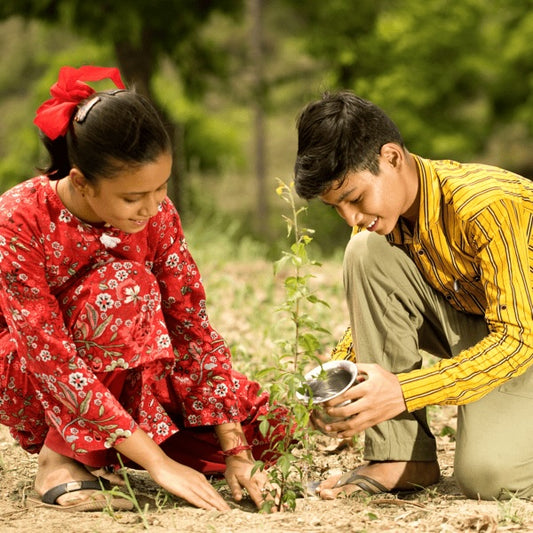
Environmental education components in reforestation initiatives build awareness and foster long-term commitment to conservation. Schools and colleges participate in tree planting activities, creating environmental consciousness among young people.
These educational programs emphasize the connection between forest health and human well-being, encouraging participants to become environmental stewards in their communities.
Corporate Partnerships and CSR Initiatives
Corporate India increasingly recognizes reforestation as essential for achieving sustainability goals and corporate social responsibility objectives.
Companies partner with organizations like Grow Billion Trees to offset their carbon footprint while supporting meaningful environmental restoration. These partnerships provide crucial funding for large-scale reforestation initiatives while helping corporations meet their Net Zero Targets.
Corporate tree planting programs often include employee engagement activities, team building exercises, and ongoing monitoring commitments that extend corporate environmental responsibility beyond simple financial contributions.
Challenges and Solutions in Indian Reforestation ⚠️
Despite remarkable progress, reforestation initiatives in India face several persistent challenges that require innovative solutions and sustained commitment.
Land Degradation and Soil Quality
Degraded soils in many regions require extensive rehabilitation before successful tree establishment. Organizations address this challenge through soil improvement techniques, organic matter addition, and careful species selection suited to local conditions.
Water scarcity affects tree survival rates, particularly in arid regions. Innovative irrigation systems, drought-resistant species selection, and rainwater harvesting techniques help overcome these obstacles.
Funding and Resource Allocation
Large-scale reforestation requires substantial financial investment for land acquisition, seedling production, planting activities, and long-term maintenance. Creative funding models combine government support, corporate partnerships, and individual contributions to ensure project sustainability.
Grow Billion Trees' accessible pricing model of ₹299 per tree makes individual participation possible while maintaining comprehensive care standards including 4ft Tree Planting + 3 Years Care + GeoTag monitoring.
Government Policies Supporting Reforestation
India's regulatory framework increasingly supports reforestation through incentives, mandates, and streamlined approval processes for environmental restoration projects.
The Forest Rights Act recognizes community forest management rights, empowering local communities to participate actively in forest restoration and protection. This policy framework acknowledges traditional ecological knowledge while supporting modern conservation techniques.
Tax incentives for corporate environmental spending and mandatory CSR requirements drive private sector investment in reforestation initiatives, creating sustainable funding mechanisms for long-term forest restoration programs.
Future Prospects and Expansion ➡️
The future of reforestation initiatives in India looks promising, with expanding programs, improved technologies, and growing public awareness driving unprecedented environmental restoration efforts.
Emerging technologies including artificial intelligence, machine learning, and advanced monitoring systems will enhance project efficiency and success rates. These innovations enable precise species selection, optimal planting locations, and predictive maintenance scheduling.
International collaboration and climate financing mechanisms provide additional resources for scaling successful reforestation models across India and sharing expertise with other developing nations facing similar environmental challenges.
How to Get Involved in Reforestation
Individuals can contribute meaningfully to reforestation initiatives in India through various accessible pathways that match different interests and capabilities.
Tree Planting Donations
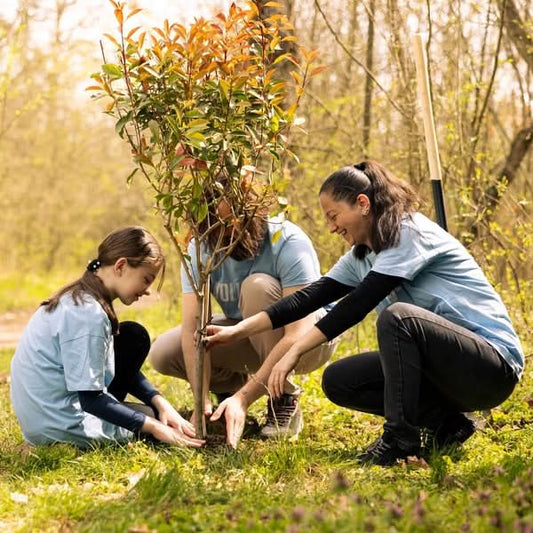
Organizations like Grow Billion Trees make participation simple and transparent. For just ₹299, individuals can Plant a tree in your Name with comprehensive care including planting, three years of maintenance, and GeoTag tracking.
Special occasion tree planting for birthdays, memorials, and celebrations creates meaningful gifts while supporting environmental restoration. These personalized contributions connect individual milestones with lasting environmental impact.
Volunteer Opportunities
Local reforestation projects welcome volunteers for planting activities, nursery management, and community education programs. These hands-on experiences provide direct connection to environmental restoration while building valuable skills and knowledge.
Corporate volunteer programs combine team building with environmental service, creating positive workplace culture while supporting community forest restoration initiatives.
Advocacy and Awareness
Sharing information about reforestation initiatives amplifies their impact by reaching new supporters and participants. Social media campaigns, community presentations, and educational activities spread awareness about the importance of forest restoration.
Supporting policy initiatives that promote reforestation through advocacy and public engagement helps create favorable conditions for expanding environmental restoration programs.
Frequently Asked Questions
What are the main reforestation initiatives in India?
Major reforestation initiatives in India include government programs like the National Afforestation Programme, NGO efforts like Grow Billion Trees' mission to plant 100 crore trees, Miyawaki forest projects in urban areas, mangrove restoration in coastal regions, and community-based agroforestry programs that combine tree planting with sustainable agriculture.
How much does it cost to plant a tree in India?
Tree planting costs vary by organization and program type. Grow Billion Trees offers comprehensive tree planting for ₹299, including 4ft Tree Planting + 3 Years Care + GeoTag monitoring. This affordable pricing makes individual participation accessible while ensuring professional care and monitoring for optimal survival rates.
Which states have the most successful reforestation programs?
Gujarat, Rajasthan, Maharashtra, and Telangana lead India's reforestation efforts with innovative programs addressing specific regional challenges. These states have implemented large-scale tree planting, desert reclamation projects, urban forest initiatives, and community-based restoration programs with measurable environmental and social impacts.
How do reforestation initiatives help combat climate change?
Reforestation initiatives in India combat climate change by creating carbon sinks that absorb atmospheric CO2, reducing greenhouse gas concentrations. Trees store carbon in biomass and soil while producing oxygen, regulating water cycles, and supporting biodiversity. These natural climate solutions are essential for achieving Net Zero Targets and environmental sustainability.
Can individuals track their planted trees?
Yes, modern reforestation programs use GeoTag technology to provide precise location tracking for individual tree contributions. Donors receive coordinates, photographs, and growth updates for their specific trees, creating transparency and connection between supporters and environmental impact through digital monitoring systems.
What species are commonly used in Indian reforestation?
Native species selection varies by region but commonly includes neem, banyan, peepal, teak, bamboo, and fruit-bearing trees in rural areas. Coastal programs focus on mangrove species, while urban initiatives use fast-growing native varieties suitable for local climate conditions and soil types.
How do reforestation programs benefit local communities?
Reforestation initiatives in India provide employment opportunities, improve agricultural productivity through agroforestry, enhance water availability, support traditional livelihoods, and create sustainable income sources through forest products. These programs prioritize community involvement and economic benefits alongside environmental restoration.
What is the success rate of tree planting in India?
Success rates vary by program type, species selection, and aftercare quality. Professional programs with comprehensive maintenance like Grow Billion Trees achieve higher survival rates through proper site preparation, appropriate species selection, regular watering, and three-year care protocols that ensure healthy tree establishment and growth.
How can corporations participate in reforestation?
Corporations can support reforestation through CSR partnerships, carbon offset programs, employee engagement activities, and direct funding for specific projects. Many companies work with organizations like Grow Billion Trees to achieve sustainability goals while providing meaningful team-building opportunities and environmental impact measurement.
What role does technology play in modern reforestation?
Technology enhances reforestation through satellite monitoring, drone seed distribution, GeoTag tracking systems, soil analysis tools, and mobile applications for project management. These innovations improve planting efficiency, survival rates, and monitoring capabilities while providing transparency and data-driven decision making for optimal environmental outcomes.
Supporting India's Green Future
Reforestation initiatives in India represent hope and determination in addressing environmental challenges while building sustainable communities. The collective efforts of organizations like Grow Billion Trees, government programs, and individual contributors create meaningful progress toward the ambitious goal of planting 100 crore trees by 2030.
These comprehensive programs demonstrate that environmental restoration requires diverse approaches, from cutting-edge Miyawaki forests in urban areas to traditional agroforestry supporting rural livelihoods. Success depends on community engagement, technological innovation, and sustained commitment from all stakeholders.
The path forward involves expanding successful models, improving technologies, and maintaining the momentum that has already transformed thousands of hectares across India. Through Combating Climate Change Through Collective Action, reforestation initiatives create lasting environmental and social benefits that extend far beyond individual trees to encompass entire ecosystems and communities.
Join the movement to restore India's forests and combat climate change. Plant a tree in your Name today and become part of the solution for a greener, more sustainable future for generations to come.
You may also like
-
Gift a Tree - Meaningful Environmental Gifts That Make a Difference
Transform your gift-giving with meaningful environmental gifts that create lasting impact for...
-
Trees For Shiv Ji - Sacred Tree Planting to Honor Lord Shiva
Honor Lord Shiva through sacred tree planting with Trees For Shiv Ji,...
-

Tree Plantations for Shri Ram - Sacred Devotional Planting Services
Honor Lord Shri Ram through meaningful tree plantations for Shri Ram that...
-
Tree Plantation on Navratri - Celebrate Divine Festivals with Environmental Devotion
Tree plantation on Navratri transforms the sacred nine-day festival into a powerful...
-
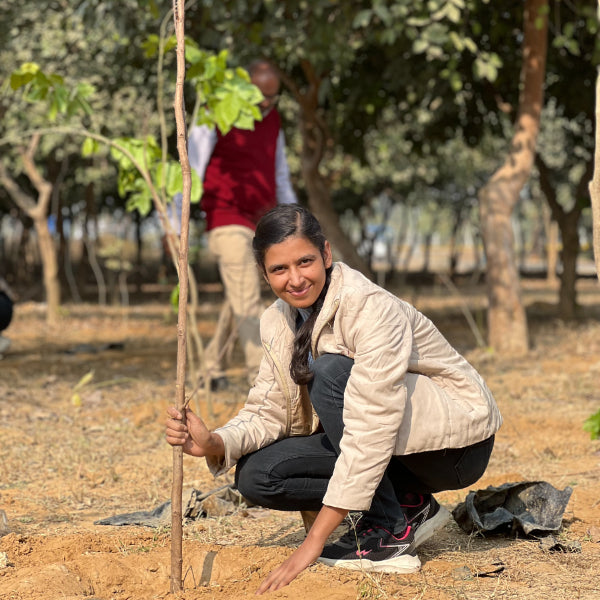
Tree Plantation by Cause - Plant Trees for Every Purpose | Grow Billion Trees
Transform your environmental impact with purpose-driven tree plantation by cause programs that...
Corporate Plantations
-
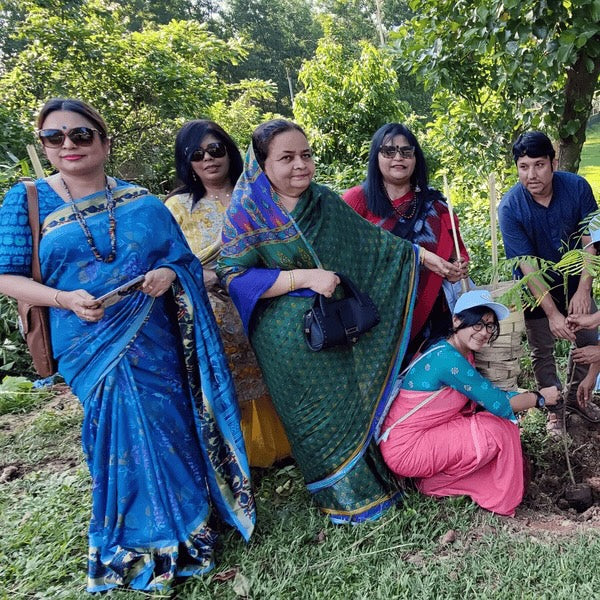
Trees for Corporates - Achieve Net Zero Targets Through Strategic Tree Planting
Trees for Corporates - Strategic Environmental SolutionsTransform your corporate environmental impact with...
-
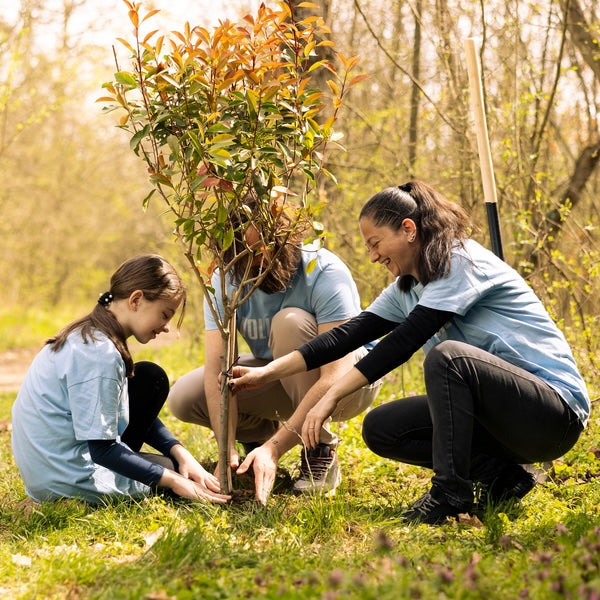
Tree Plantation for CSR - Corporate Environmental Programs | Grow Billion Trees
Tree Plantation for CSR - Transform Your Corporate Environmental ImpactTree plantation for...
-
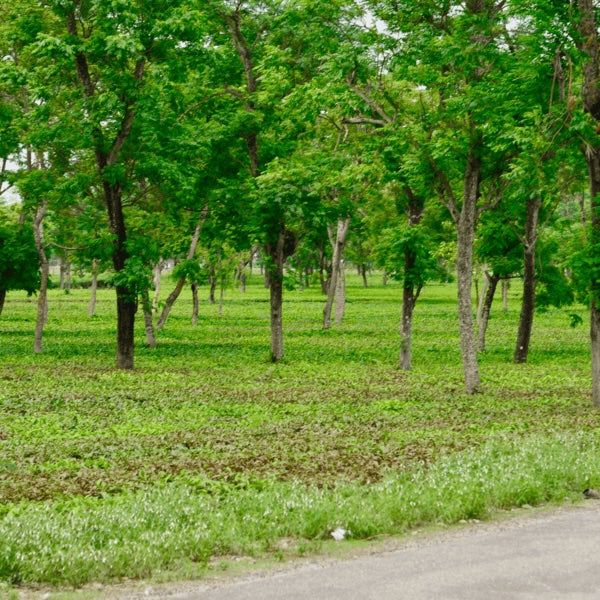
Tree Plantation for SDG - Support Sustainable Development Goals
Tree plantation for SDG initiatives represents a powerful pathway to achieving multiple...
-

Corporate Tree Plantation Programs - Sustainable ESG Environmental Solutions for Net Zero Targets
Transform your organization's environmental impact with our comprehensive Corporate Tree Plantation Programs...
-
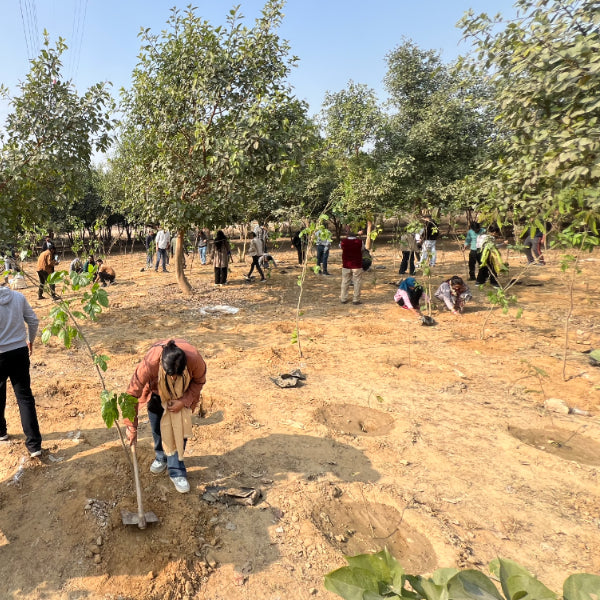
Tree Plantation by Location - Plant Trees Across India
Transform landscapes nationwide through our comprehensive tree plantation by location program. When...
Most Popular Tree Plantations - Top Choices for Environmental Impact
-
Trees for Mother
Regular price ₹ 299Regular priceUnit price per -
Trees to Honor the Memory of your Loved Ones
Regular price ₹ 299Regular priceUnit price per -
Trees for Wedding Anniversary Celebration
Regular price ₹ 299Regular priceUnit price per -
Trees for Grandmother
Regular price ₹ 299Regular priceUnit price per -
Trees for Grandfather
Regular price ₹ 299Regular priceUnit price per

Connect with us
-
👥 Corporates
If you are looking for:
- 🌲 Tree Plantation Events
- 📊 CSR Projects
📧 corporate@growbilliontrees.com
📞 +91 9699723523
💬 +91 9325931304 WhatsApp (Only)
🕒 Mon - Sat | 10am - 7pm IST
-
🧩 Tree Plantation NGOs
If you are looking for:
- 💰 Financial Assistance
- 🤝 Operational Support
📧 support@growbilliontrees.com
📞 +91 9699723523
💬 +91 9325931304 WhatsApp (Only)
🕒 Mon - Sat | 10am - 7pm IST
-
🌼 Individuals
If you are looking for:
- 👥 Group Tree Plantation Drive
- 🌳 Bulk Tree Plantation
📞 +91 9699723523
💬 +91 9325931304 WhatsApp (Only)
🕒 Mon - Sat | 10am - 7pm IST
