
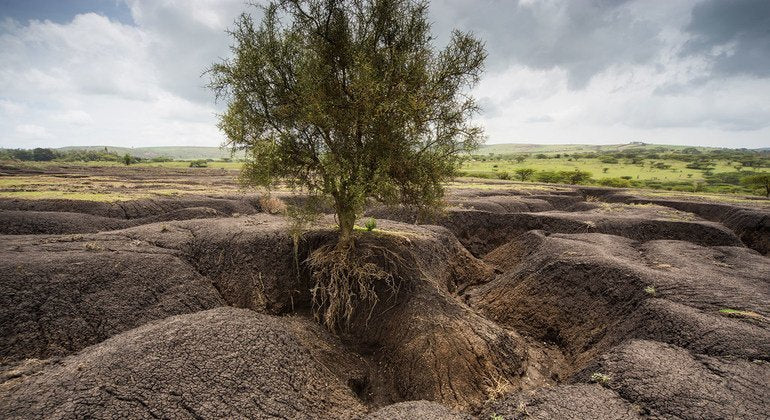
Trees are nature's most powerful defenders against soil erosion, using their extensive root systems to bind soil particles together while their canopies reduce rainfall impact. Through a combination of root stabilization, surface protection, and wate Read more
Trending Tree Plantations - Most Popular Environmental Programs
-
Trees for Mother
Regular price ₹ 299Regular priceUnit price per -
Trees to Honor the Memory of your Loved Ones
Regular price ₹ 299Regular priceUnit price per -
Trees for Women's Day (8th Mar)
Regular price ₹ 299Regular priceUnit price per -
Trees for Wedding Anniversary Celebration
Regular price ₹ 299Regular priceUnit price per -
Trees for Grandmother
Regular price ₹ 299Regular priceUnit price per



Trees for Corporates - Achieve Net Zero Targets Through Strategic Tree Planting
-
 Project Closed
Trees by LIFT Team for Green Diwali: Transform Your Festival
Regular price ₹ 299Regular priceUnit price per -
Trees for a Greener Tomorrow - by Mahindra Lifespaces
Regular price ₹ 299Regular priceUnit price per -
Trees for Environment Day: Plant Your Impact on June 5th
Regular price ₹ 299Regular priceUnit price per -
Trees for Employees: Transform Your Corporate Culture in 2026
Regular price ₹ 299Regular priceUnit price per -
 Project Closed
Trees for Bangalore: Plant Native Trees in Garden City ₹299
Regular price ₹ 799Regular priceUnit price per
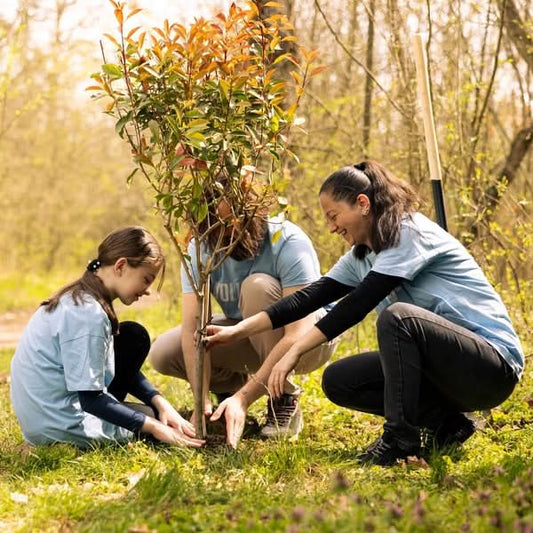
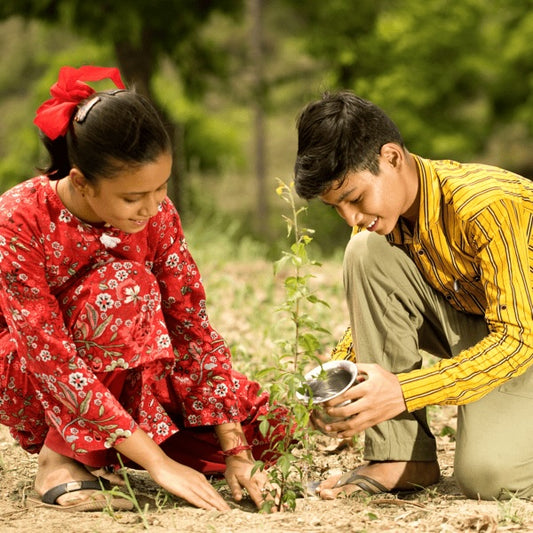
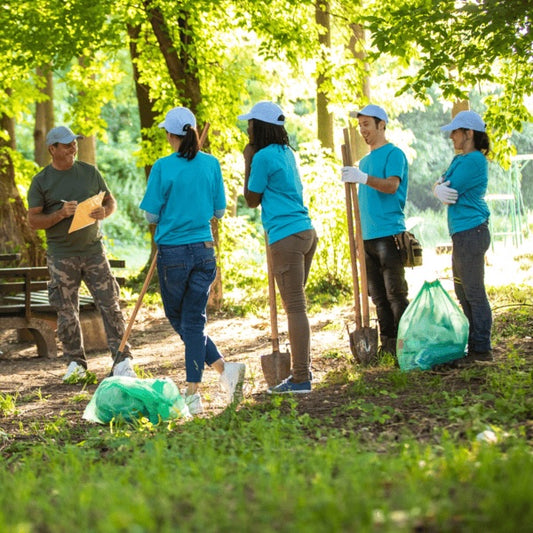
How Can Trees Help Prevent Soil Erosion? Complete Guide
Trees are nature's most powerful defenders against soil erosion, using their extensive root systems to bind soil particles together while their canopies reduce rainfall impact. Through a combination of root stabilization, surface protection, and water management, trees can reduce soil erosion by up to 90% compared to bare ground, making them essential for sustainable land management and environmental protection.
Soil erosion affects over 24 billion tons of fertile soil worldwide each year, threatening agricultural productivity and ecosystem stability. Understanding how trees help prevent soil erosion is crucial for farmers, landowners, and environmental advocates working toward sustainable land use practices.
✅ The Science Behind Tree-Based Erosion Control
Trees prevent soil erosion through multiple interconnected mechanisms that work together to create a comprehensive protection system. Root systems act as natural anchors, penetrating deep into the soil to create a network of organic cables that hold soil particles in place.
The canopy layer provides the first line of defense by intercepting rainfall before it hits the ground. Tree leaves and branches reduce the kinetic energy of raindrops, preventing the direct impact that can dislodge soil particles. This process, known as rainfall interception, can reduce soil splash erosion by up to 95%.
According to the United Nations Environment Programme's forest conservation initiatives, trees also improve soil structure by adding organic matter through leaf litter and root decomposition, creating better water infiltration and reducing surface runoff.
Root System Architecture and Soil Binding
Tree roots create a three-dimensional matrix within the soil that provides mechanical reinforcement. Fibrous root systems are particularly effective because they spread horizontally near the surface, creating a dense network that binds topsoil together.
Deep taproot systems complement this by anchoring trees firmly in place and creating vertical channels that improve water infiltration. This combination prevents both surface erosion and deeper soil movement that can lead to landslides on steep slopes.
Canopy Protection and Water Management
The tree canopy serves as a natural umbrella, reducing rainfall intensity by 20-30% through interception and gradual release. Leaf surface area plays a crucial role, with larger leaves providing more protection against direct rainfall impact.
Trees also regulate soil moisture through transpiration, drawing water up from deep soil layers and releasing it into the atmosphere. This process helps maintain optimal soil moisture levels that prevent both drought-induced soil cracking and waterlogged conditions that increase erosion risk.
⭐ Best Tree Species for Erosion Control
Selecting the right tree species is essential for effective erosion control. The most successful erosion control trees combine rapid growth, extensive root systems, and adaptability to local conditions.
Fast-Growing Erosion Control Champions
Willow trees (Salix spp.) lead the list with their remarkable ability to establish quickly and develop extensive root networks. Their flexible branches and dense root systems make them ideal for streambank stabilization and wetland restoration projects.
Poplar trees offer rapid establishment and dense root development, making them excellent choices for riverbank protection. Their fast growth rate allows for quick soil stabilization in areas requiring immediate erosion control.
Bamboo species provide exceptional erosion control through their rhizome systems that create underground networks of interconnected roots. Bamboo can establish erosion control within 6-12 months of planting, making it ideal for urgent stabilization projects.
Deep-Rooted Soil Stabilizers
Pine trees excel in sandy and loose soil conditions due to their deep taproot systems and needle-like leaves that reduce rainfall impact. Their ability to thrive in poor soils makes them valuable for reclamation projects.
Oak trees provide long-term erosion control with their extensive root systems and longevity. While slower to establish than fast-growing species, oaks create permanent soil stabilization that can last for centuries.
Eucalyptus species offer rapid growth combined with deep root penetration, making them effective for controlling erosion in areas with fast-draining soils and challenging growing conditions.
💡 Strategic Tree Placement for Maximum Erosion Control
Proper tree placement maximizes erosion control effectiveness while considering site-specific conditions. Slope position and drainage patterns determine optimal planting locations for different tree species.
Slope Management Strategies
On steep slopes, plant trees in staggered rows rather than straight lines to create natural terracing effects. This arrangement slows water flow and allows for better water infiltration between tree rows.
Upper slope areas benefit from deep-rooted species that can access groundwater and provide stability during dry periods. Lower slope positions are ideal for moisture-loving species that can handle temporary flooding and high water tables.
The World Wildlife Fund's forest conservation programs emphasize the importance of creating buffer zones along waterways using appropriate tree species for maximum erosion protection.
Riparian Zone Protection
Streambank erosion requires specialized tree selection and placement strategies. Plant trees 10-30 feet from water edges to allow for natural stream meandering while providing erosion protection.
Red Alder and other nitrogen-fixing trees improve soil quality while providing erosion control in riparian areas. Their ability to thrive in wet conditions makes them ideal for streambank stabilization projects.
Sweetgum trees offer excellent erosion control for riverbanks due to their fibrous root systems and tolerance for periodic flooding. Their fast growth provides quick establishment of erosion protection.
➡️ Implementation Steps for Tree-Based Erosion Control
Successful erosion control requires systematic planning and implementation. Start with site assessment to understand soil conditions, drainage patterns, and erosion severity before selecting appropriate tree species.
Site Preparation and Planning
Conduct soil testing to determine pH, nutrient levels, and drainage characteristics. This information guides species selection and identifies any soil amendments needed for successful tree establishment.
Map existing erosion patterns and identify critical areas requiring immediate attention. Priority areas include steep slopes, bare soil patches, and areas with concentrated water flow.
Consider seasonal planting windows for optimal tree survival. Most regions benefit from fall or early spring planting when soil moisture is adequate and temperature stress is minimal.
Planting Techniques for Success
Use proper spacing to balance erosion control with tree health. Closer spacing provides faster erosion control but may require thinning as trees mature.
Install temporary erosion control measures like mulch or erosion blankets while trees establish. Young trees require 2-3 years to develop sufficient root systems for effective erosion control.
Combine tree planting with ground cover plants for immediate erosion protection. Grass species like Vetiver provide instant soil stabilization while trees develop their root systems.
🌱 Grow Billion Trees: Your Partner in Erosion Control
At Grow Billion Trees, we understand that combating climate change through collective action requires comprehensive approaches including erosion control. Our mission to plant 100 crore trees includes strategic placement for maximum environmental benefit, including soil conservation.
When you Plant a tree in your Name for just ₹299, you're contributing to erosion control efforts across India. Our 4ft Tree Planting + 3 Years Care + GeoTag service ensures your tree receives proper establishment care for effective erosion control.
Our specialized programs include Miyawaki forest creation that provides dense vegetation for slope stabilization, and agroforestry initiatives that combine erosion control with agricultural productivity. Explore our tree planting programs to find the perfect erosion control solution for your needs.
⚠️ Common Mistakes in Tree-Based Erosion Control
Avoid these frequent errors that can reduce erosion control effectiveness or lead to project failure. Wrong species selection is the most common mistake, often resulting from choosing trees based on appearance rather than erosion control properties.
Species Selection Errors
Planting non-native species without understanding their invasive potential can create long-term environmental problems. Always prioritize native species adapted to local conditions for sustainable erosion control.
Ignoring mature size requirements leads to overcrowding and poor root development. Consider 20-year growth projections when spacing trees for optimal erosion control effectiveness.
Failing to match species to site conditions results in poor establishment and inadequate erosion protection. Wet areas require different species than dry slopes or sandy soils.
Implementation and Maintenance Issues
Inadequate site preparation reduces tree survival rates and delays erosion control benefits. Proper soil preparation and weed control are essential for successful establishment.
Lack of follow-up care during the critical establishment period leads to high mortality rates. Trees require regular watering and protection for 2-3 years to develop effective erosion control capabilities.
According to UN Climate Change initiatives, monitoring and adaptive management are crucial for long-term success in erosion control projects.
📈 Measuring Erosion Control Success
Effective monitoring helps evaluate project success and identify areas needing improvement. Establish baseline measurements before planting to track erosion reduction over time.
Key Performance Indicators
Measure soil loss rates using sediment traps or erosion pins to quantify erosion reduction. Successful tree-based erosion control should show 70-90% reduction in soil loss within 3-5 years.
Monitor tree survival and growth rates to ensure adequate coverage for erosion protection. Target survival rates of 80% or higher for successful erosion control establishment.
Document vegetation coverage increases over time, including both trees and understory plants that contribute to erosion control. Full vegetation coverage typically develops within 5-7 years for most erosion control projects.
Long-term Monitoring Strategies
Conduct annual assessments during peak erosion seasons to evaluate system performance under stress conditions. Heavy rainfall events provide the best tests of erosion control effectiveness.
Track water quality improvements in nearby streams or water bodies as an indicator of reduced sediment input from controlled erosion areas.
Monitor wildlife habitat development as a co-benefit of erosion control tree planting, demonstrating the multiple environmental benefits of tree-based solutions.
Frequently Asked Questions
How quickly do trees start preventing soil erosion?
Trees begin providing erosion control benefits within 6-18 months as their root systems develop. However, maximum effectiveness typically occurs after 3-5 years when roots are fully established. Fast-growing species like bamboo and willow provide earlier protection than slower-growing hardwoods.
Which tree species work best for steep slopes?
Pine, juniper, and oak trees excel on steep slopes due to their deep root systems and drought tolerance. Bamboo species also perform well on slopes because their rhizome systems create extensive underground networks. The key is selecting species with strong anchoring roots rather than shallow, spreading systems.
Can trees prevent erosion in all soil types?
Trees can control erosion in most soil types, but species selection must match soil conditions. Sandy soils benefit from deep-rooted pines and eucalyptus, while clay soils work well with willows and poplars. Rocky soils may require specialized species with strong root systems capable of penetrating hard surfaces.
How much space should I leave between erosion control trees?
Spacing depends on species and site conditions, but generally ranges from 6-15 feet between trees. Closer spacing provides faster erosion control but may require thinning later. Steep slopes benefit from closer spacing (6-8 feet), while gentle slopes can use wider spacing (10-15 feet) for long-term sustainability.
Do erosion control trees require special maintenance?
Young erosion control trees need regular watering for 2-3 years until established. Mulching around trees helps retain moisture and suppress weeds that compete for nutrients. Pruning is generally minimal for erosion control trees, focusing mainly on removing damaged branches that could affect stability.
What's the cost-effectiveness of tree-based erosion control?
Tree-based erosion control typically costs 30-50% less than engineered solutions like retaining walls or riprap. While initial establishment requires 2-3 years, trees provide decades of erosion protection with minimal maintenance. The environmental co-benefits make trees highly cost-effective for long-term erosion management.
Can I combine trees with other erosion control methods?
Yes, combining trees with ground cover plants, mulching, or temporary erosion blankets creates more effective protection. This integrated approach provides immediate erosion control while trees establish. Terracing or contour planting can enhance tree-based erosion control on steep slopes.
How do I know if my erosion control trees are working?
Look for reduced soil movement, less sediment in nearby water sources, and improved vegetation coverage. Healthy tree growth with expanding canopies indicates developing erosion control. Professional monitoring using erosion pins or sediment traps provides quantitative measurements of success.
What happens if erosion control trees die or fail?
Failed trees should be replaced promptly to maintain erosion protection. Identify failure causes (drought, disease, poor species selection) and address them in replacement planning. Temporary erosion control measures may be needed while replacement trees establish their root systems.
Are there any negative effects of using trees for erosion control?
Potential issues include water competition with nearby vegetation, leaf litter accumulation in drainage systems, and root damage to nearby structures. Proper species selection and placement minimize these concerns. Invasive species can create ecological problems, making native species selection crucial for sustainable erosion control.
🌍 Environmental Impact and Sustainability
Tree-based erosion control provides multiple environmental benefits beyond soil protection. Carbon sequestration, wildlife habitat creation, and water quality improvement make trees a sustainable solution for long-term land management.
Erosion control trees contribute to achieving net zero targets by storing carbon in both above-ground biomass and soil organic matter. A single mature tree can sequester 40-50 pounds of CO2 annually while providing continuous erosion protection.
The biodiversity benefits include habitat for birds, insects, and small mammals that contribute to ecosystem health. This creates a positive feedback loop where increased biodiversity enhances ecosystem stability and erosion resistance.
Take Action: Start Your Erosion Control Project Today
Understanding how trees help prevent soil erosion empowers you to make informed decisions about land management and environmental protection. Whether you're addressing erosion on agricultural land, residential slopes, or community spaces, trees offer a proven, sustainable solution.
Partner with Grow Billion Trees to implement professional erosion control through our specialized tree planting programs. Our expertise in species selection, site preparation, and long-term care ensures your erosion control project succeeds while contributing to our goal of planting 100 crore trees across India.
Plant a tree in your Name today and join thousands of environmentally conscious individuals combating climate change through collective action. Visit Grow Billion Trees to explore our erosion control solutions and start protecting your land with nature's most effective defenders.
You may also like
-
Gift a Tree - Meaningful Environmental Gifts That Make a Difference
Transform your gift-giving with meaningful environmental gifts that create lasting impact for...
-
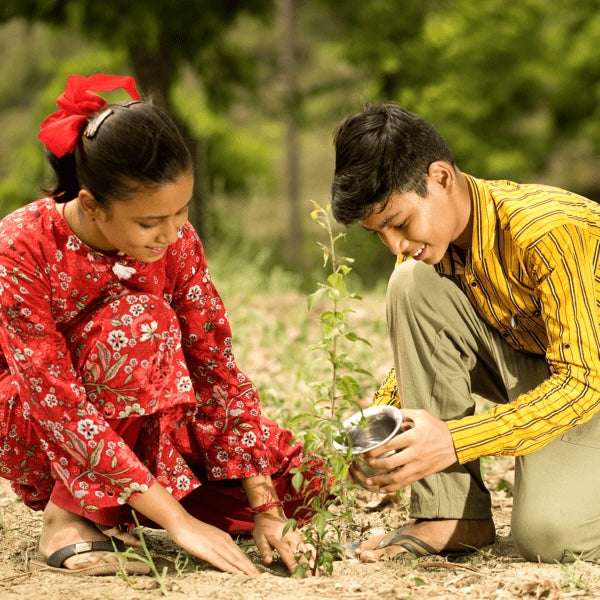
Trees For Shiv Ji - Sacred Tree Planting to Honor Lord Shiva
Honor Lord Shiva through sacred tree planting with Trees For Shiv Ji,...
-

Tree Plantations for Shri Ram - Sacred Devotional Planting Services
Honor Lord Shri Ram through meaningful tree plantations for Shri Ram that...
-
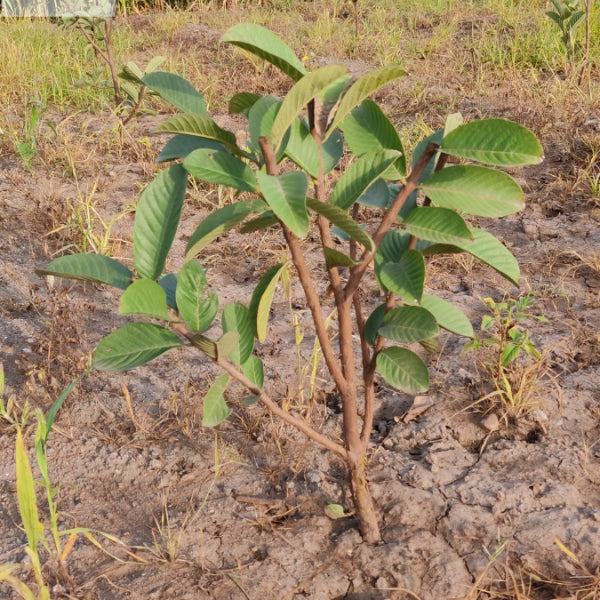
Tree Plantation on Navratri - Celebrate Divine Festivals with Environmental Devotion
Tree plantation on Navratri transforms the sacred nine-day festival into a powerful...
-
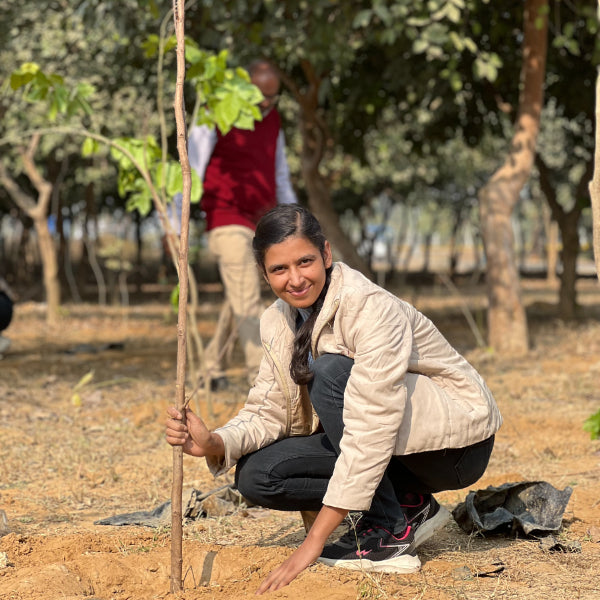
Tree Plantation by Cause - Plant Trees for Every Purpose | Grow Billion Trees
Transform your environmental impact with purpose-driven tree plantation by cause programs that...
Corporate Plantations
-
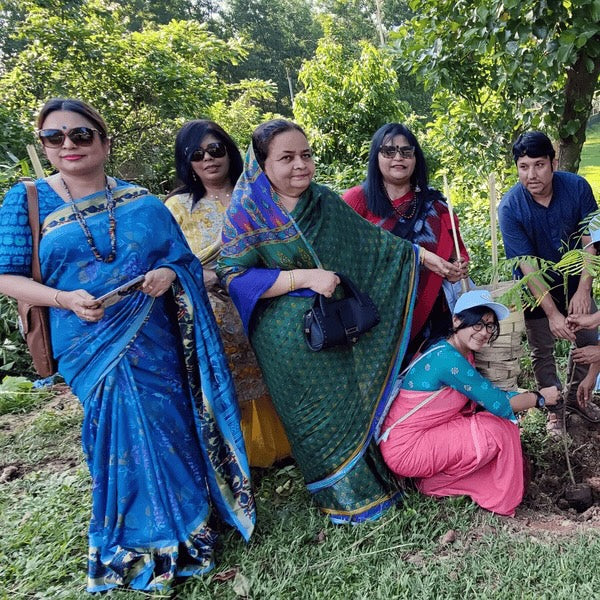
Trees for Corporates - Achieve Net Zero Targets Through Strategic Tree Planting
Trees for Corporates - Strategic Environmental SolutionsTransform your corporate environmental impact with...
-
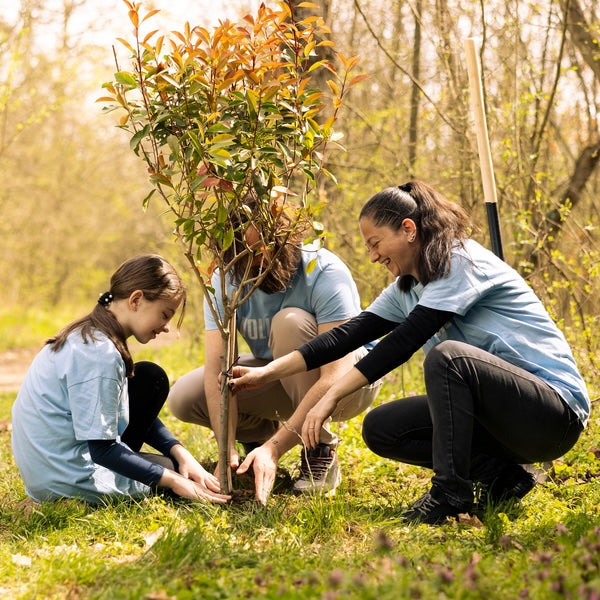
Tree Plantation for CSR - Corporate Environmental Programs | Grow Billion Trees
Tree Plantation for CSR - Transform Your Corporate Environmental ImpactTree plantation for...
-
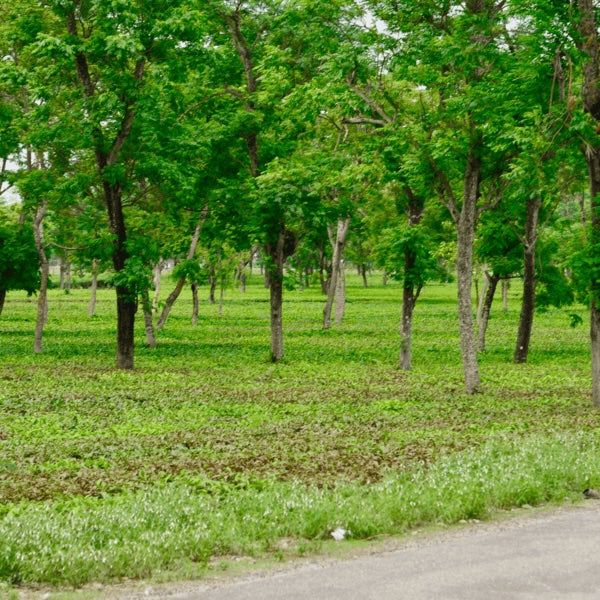
Tree Plantation for SDG - Support Sustainable Development Goals
Tree plantation for SDG initiatives represents a powerful pathway to achieving multiple...
-
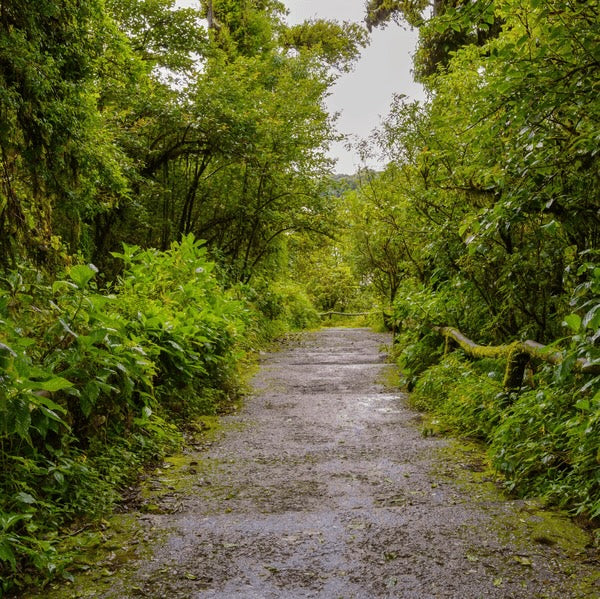
Corporate Tree Plantation Programs - Sustainable ESG Environmental Solutions for Net Zero Targets
Transform your organization's environmental impact with our comprehensive Corporate Tree Plantation Programs...
-
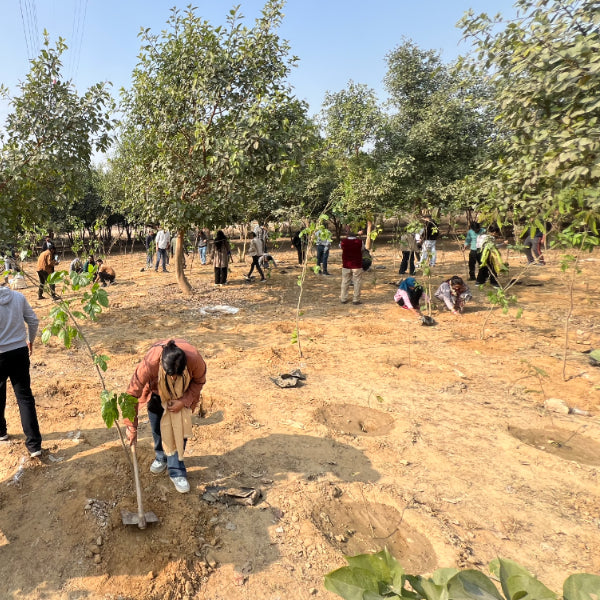
Tree Plantation by Location - Plant Trees Across India
Transform landscapes nationwide through our comprehensive tree plantation by location program. When...
Most Popular Tree Plantations - Top Choices for Environmental Impact
-
Trees for Mother
Regular price ₹ 299Regular priceUnit price per -
Trees to Honor the Memory of your Loved Ones
Regular price ₹ 299Regular priceUnit price per -
Trees for Wedding Anniversary Celebration
Regular price ₹ 299Regular priceUnit price per -
Trees for Grandmother
Regular price ₹ 299Regular priceUnit price per -
Trees for Grandfather
Regular price ₹ 299Regular priceUnit price per

Connect with us
-
👥 Corporates
If you are looking for:
- 🌲 Tree Plantation Events
- 📊 CSR Projects
📧 corporate@growbilliontrees.com
📞 +91 9699723523
💬 +91 9325931304 WhatsApp (Only)
🕒 Mon - Sat | 10am - 7pm IST
-
🧩 Tree Plantation NGOs
If you are looking for:
- 💰 Financial Assistance
- 🤝 Operational Support
📧 support@growbilliontrees.com
📞 +91 9699723523
💬 +91 9325931304 WhatsApp (Only)
🕒 Mon - Sat | 10am - 7pm IST
-
🌼 Individuals
If you are looking for:
- 👥 Group Tree Plantation Drive
- 🌳 Bulk Tree Plantation
📞 +91 9699723523
💬 +91 9325931304 WhatsApp (Only)
🕒 Mon - Sat | 10am - 7pm IST
