
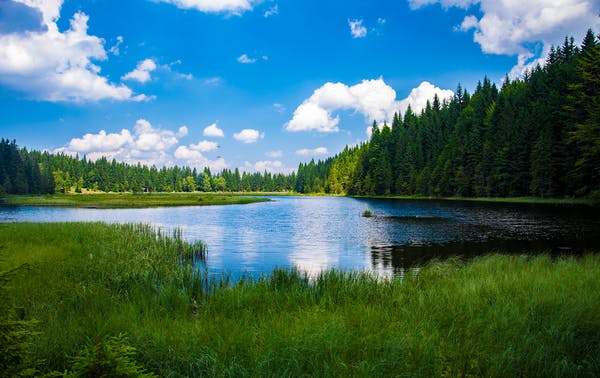
Tree plantation can help rivers by stabilising riverbanks, filtering pollutants, regulating water flow, and restoring the rich ecosystems that rivers depend on to survive. Across India, where over 60% of rivers face serious degradation, planting nati Read more
Trending Tree Plantations - Most Popular Environmental Programs
-
Trees for Mother
Regular price ₹ 299Regular priceUnit price per -
Trees to Honor the Memory of your Loved Ones
Regular price ₹ 299Regular priceUnit price per -
Trees for Women's Day (8th Mar)
Regular price ₹ 299Regular priceUnit price per -
Trees for Wedding Anniversary Celebration
Regular price ₹ 299Regular priceUnit price per -
Trees for Grandmother
Regular price ₹ 299Regular priceUnit price per

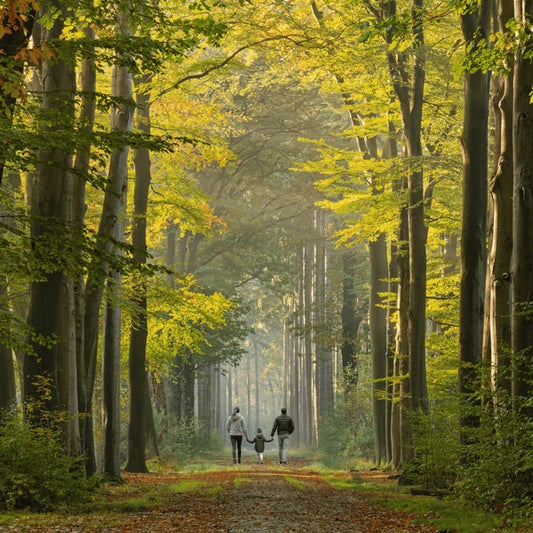



Trees for Corporates - Achieve Net Zero Targets Through Strategic Tree Planting
-
 Project Closed
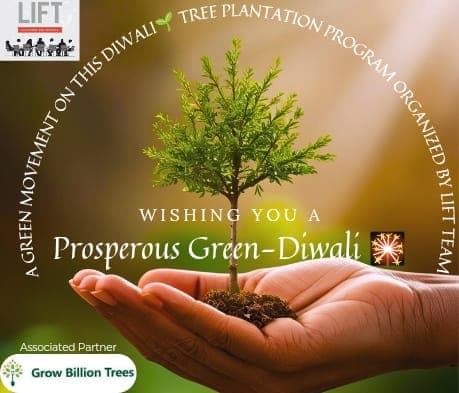
Trees by LIFT Team for Green Diwali: Transform Your Festival
Regular price ₹ 299Regular priceUnit price per -
Trees for a Greener Tomorrow - by Mahindra Lifespaces
Regular price ₹ 299Regular priceUnit price per -
Trees for Environment Day: Plant Your Impact on June 5th
Regular price ₹ 299Regular priceUnit price per -
Trees for Employees: Transform Your Corporate Culture in 2026
Regular price ₹ 299Regular priceUnit price per -
 Project Closed
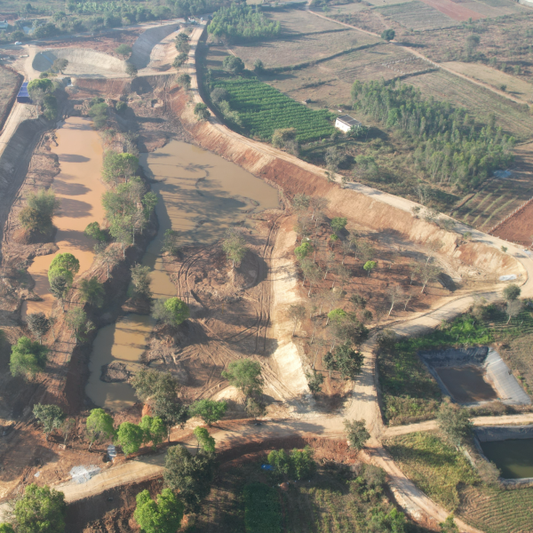
Trees for Bangalore: Plant Native Trees in Garden City ₹299
Regular price ₹ 799Regular priceUnit price per
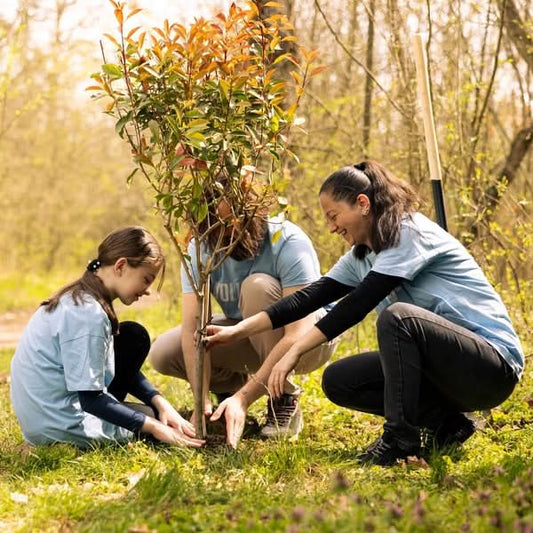
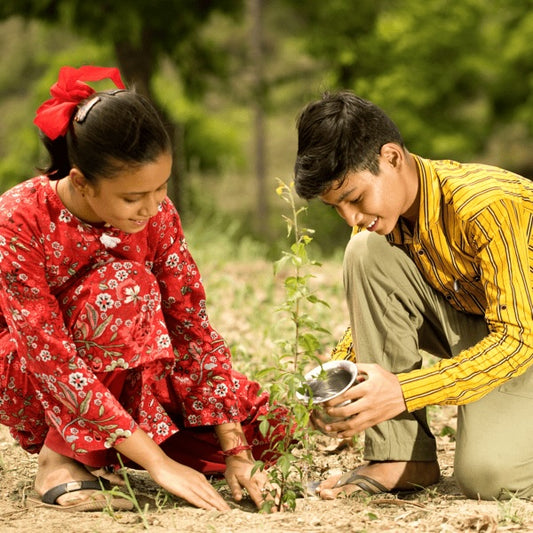
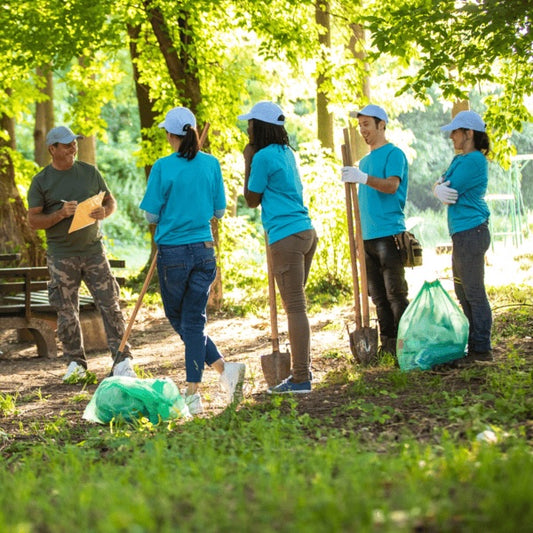
How Tree Plantation Can Help Rivers: Restoration Guide
Tree plantation can help rivers by stabilising riverbanks, filtering pollutants, regulating water flow, and restoring the rich ecosystems that rivers depend on to survive. Across India, where over 60% of rivers face serious degradation, planting native trees along riverbanks is one of the most proven and cost-effective restoration strategies available in 2026. At Grow Billion Trees, our hands-on river restoration work has shown us how transformative the right tree in the right place can truly be.
Rivers are the lifelines of our planet and earth. They sustain agriculture, provide drinking water, and support biodiversity for millions. However, according to WWF's research on deforestation and forest degradation, stripped riverbanks accelerate erosion and reduce water quality dramatically. The great news is that we can transform this through conscious, mindful, collective action — and we are glad to be leading that charge.
Why Rivers Need Trees: The Urgent Case for Riparian Planting
Trees and rivers have co-evolved for millions of years on this earth. A healthy river system is almost always surrounded by dense, natural vegetation. According to UNEP's forest research and conservation initiatives, riparian forests are among the most biodiverse and ecologically active ecosystems on the planet. Losing them puts entire river systems at risk.
In 2026, India's growing water crisis makes river restoration more urgent than ever. Data from 2026 environmental studies shows that over 70% of India's rivers carry measurable pollution loads. Deforestation along riverbanks is a leading driver of this decline. We find this deeply concerning, and it fuels our mission every single day to grow, nurture, and protect.
Riparian tree cover acts as a natural filter, a structural anchor, and a climate buffer. Losing this green cover means losing these vital services. Therefore, restoring it through targeted tree plantation is not optional — it is essential for the future of water security in India.
✅ 5 Key Ways Tree Plantation Can Help Rivers Thrive
1. Preventing Soil Erosion Along Riverbanks
Tree roots penetrate deep into riverbank soil, binding it firmly in place against water and wind. Without this root network, rain and river currents strip away soil, causing bank collapse and silting. Our team has observed firsthand how native species like Arjun (Terminalia arjuna) and Jamun (Syzygium cumini) dramatically reduce erosion within just two growing seasons.
Silt buildup in rivers reduces their depth and disrupts aquatic habitats significantly. It also increases flood risk for nearby communities who depend on stable river channels. Tree plantation along riverbanks is a proven method to save riverbed integrity and protect communities across generations.
2. Natural Water Filtration and Purification
Tree root systems and surrounding leaf litter act as natural, organic filters for water. They absorb excess nitrogen, phosphorus, and agricultural runoff before it enters the river system. This process, known as biofiltration, can remove up to 50% of nutrient pollutants from water based on 2026 environmental data from monitored riparian zones.
Trees also absorb heavy metals and slow sediment movement through their root networks. The leaf canopy reduces direct sunlight hitting the water surface, lowering harmful algae growth and keeping oxygen levels healthy for fish populations. In our experience, this filtration effect becomes measurable within a single monsoon season of successful planting.
3. ✅ Regulating Water Flow and Reducing Floods
Forested watersheds act as natural sponges for rainfall and runoff. Tree canopies slow rainfall before it hits the ground, dramatically reducing surface runoff speed. Root systems then allow water to percolate into the soil rather than rush directly into rivers all at once.
According to the United Nations Climate Change initiative, nature-based solutions like riparian reforestation can reduce flood damage by up to 30% in vulnerable river basins. Moreover, this regulated water flow helps recharge groundwater tables, which farmers and rural communities depend on through dry seasons.
4. Restoring Aquatic and Riparian Biodiversity
Trees provide shade, fallen leaves as food, and overhanging branches as habitat for fish, birds, and insects. A diverse riparian forest supports a wonderfully diverse river ecosystem that sustains itself naturally. When we nurture trees along a degraded riverbank, fish populations often recover within 18 to 24 months.
Our partners in the field have documented the return of kingfishers, otters, and native fish species to previously barren river stretches where we planted trees. This is a wonderful, hopeful sign that nature is resilient and eager to recover when given the chance to grow and thrive.
5. 💡 Carbon Sequestration and Climate Regulation
Riparian trees sequester carbon at rates higher than most other forest types worldwide. This directly contributes to Combating Climate Change Through Collective Action — a core principle of our mission at Grow Billion Trees. Healthier rivers with tree cover also reduce methane emissions from stagnant, low-oxygen water bodies.
The combination of carbon capture and improved river health makes riparian tree plantation one of the highest-impact interventions available to us today. Together, we can make this a reality for India's rivers and secure a sustainable future for generations ahead.
The Science of Riparian Buffers: How Wide Should They Be?
A riparian buffer is a strip of vegetation planted as a green barrier between land and water. Research shows that buffers of at least 15 to 30 metres on each bank provide strong ecological benefits for erosion and filtration. Wider buffers of 50 to 100 metres offer near-complete filtration of agricultural runoff and full flood attenuation.
⭐ The key is species selection and planting diversity. Our team ensures we plant deep-rooted native trees that grow quickly and tolerate seasonal flooding without dying. We avoid monocultures and instead create layered, multi-species plantations that mimic natural forest structure for greater resilience.
💡 Pro tip: Combining trees with shrubs and grasses in the buffer zone provides even greater erosion control and habitat value. This multi-layer, eco-friendly approach is at the heart of our river restoration methodology and is backed by hands-on field results.
⚠️ The Devastating Impact of Deforestation on Rivers
When trees disappear from riverbanks, the consequences cascade quickly across the entire watershed. Erosion accelerates, sediment loads spike, water temperatures rise, and pollution levels increase sharply. WWF's forest conservation research confirms that deforested watersheds lose up to 40% more water to evaporation, reducing dry-season river flow dramatically.
In India, cities like Mumbai, Hyderabad, and Bangalore have seen urban rivers shrink due to encroachment and deforestation along their banks. These are not abstract statistics — they represent real communities losing access to clean, reliable water and a healthy natural environment. We find this unacceptable, and it reinforces why tree plantation along rivers is so urgent for India's future.
The United Nations Sustainable Development Goals explicitly link healthy forests to clean water access under SDG 6 and SDG 15. Reforesting riverbanks is therefore a direct, verified contribution to global sustainability targets that matter deeply for our shared planet.
How Grow Billion Trees Is Restoring India's Rivers
At Grow Billion Trees, we are happy and glad to lead one of India's most ambitious river restoration programs. We provide comprehensive 4ft Tree Planting + 3 Years Care + GeoTag for every tree planted along river corridors across the country. This means you can track your tree's growth and verified impact in real time from anywhere.
Our mission to plant 100 crore trees across India by June 2030 is deeply connected to river health and water security. We focus on riverbank planting in key watersheds near Mumbai, Delhi, Chennai, Bangalore, and Hyderabad — India's most water-stressed urban regions. Every tree planted in your Name becomes part of a living, growing river restoration story that will endure for decades.
We work with certified local partners and verified ecological experts to select the right native species for each river ecosystem. Our programs are designed to be sustainable and long-lasting, not just a one-time planting event. We ensure every tree receives the care it needs to grow, thrive, and deliver lasting ecological impact.
Our River-Focused Planting Programs
- ✅ Riparian Reforestation: Native tree planting along degraded riverbanks in key Indian watersheds including the Godavari, Krishna, and Cauvery corridors.
- ✅ Miyawaki Urban River Forests: Dense, multi-species forests planted in compact urban river corridors for rapid, layered restoration.
- ✅ Agroforestry Buffer Zones: Trees planted between farmland and rivers, reducing agricultural runoff by up to 50% while boosting farmer incomes.
- ✅ Mangrove Restoration: Restoring mangrove ecosystems at river mouths and coastal deltas to improve water quality and protect shorelines.
- ✅ Lake and River Corridor Programs: Integrated lake restoration with riparian planting for complete, holistic watershed health improvement.
You can Plant a tree in your Name for just ₹299, with 3 years of professional care included. This makes it wonderfully easy and accessible for every individual to contribute meaningfully to river restoration. Our GeoTag technology lets you visit your tree virtually and track its verified, authentic impact on the river ecosystem it calls home.
Choosing the Right Trees for River Restoration
Not all trees are equal when it comes to river restoration and riparian health. The best choices are native, deep-rooted species that have evolved alongside local river systems over centuries. Our experience across dozens of restoration sites shows that the following species perform remarkably well in Indian riparian zones.
- → Arjun (Terminalia arjuna): Sacred and deeply rooted, excellent for erosion control and bank stabilisation along fast-flowing rivers.
- → Bamboo: Fast-growing, flexible, and highly effective at binding riverbank soil while filtering nutrient runoff.
- → Peepal (Ficus religiosa): Provides deep-rooted anchoring, extensive canopy shade, and rich habitat for birds and insects.
- → Neem (Azadirachta indica): A natural purifier with deep roots that shade the water and support countless species.
- → Jamun (Syzygium cumini): A beloved native fruit tree that supports birds, insects, and fish through its canopy and fallen fruit.
We use a science-backed, hands-on approach to every species selection decision. Our team surveys each river site before planting to match species to soil type, flood regime, and local biodiversity needs. This mindful, data-driven process is what makes our restorations succeed where others have failed.
How You Can Support River Restoration Today
River restoration does not require a large investment of time or money to make a real difference. Every single tree planted is a meaningful contribution to healing our waterways. Whether you are an individual, a family, or a corporation with Net Zero Targets, Grow Billion Trees has a program perfectly suited for you.
⭐ Corporates can partner with us to achieve certified, transparent carbon offsets while directly improving India's river ecosystems and water security. Our corporate programs are certified and aligned with global sustainability standards. We guarantee transparent reporting and GeoTagged proof of every tree planted, making your environmental commitment authentic and verifiable.
For individuals, you can boost your environmental impact by planting a tree as a birthday gift, a memorial tribute, or a personal commitment to a greener, healthier earth. Welcome the change you want to see in the world — one tree at a time. Explore our programs and take action today at Grow Billion Trees and join thousands of conscious Indians choosing to make a difference.
Frequently Asked Questions
How does tree plantation directly help rivers?
Trees planted along riverbanks prevent soil erosion, filter pollutants, regulate water flow, and restore aquatic habitats. Their root systems hold bank soil firmly in place while absorbing excess nutrients from agricultural runoff. This naturally improves water quality, reduces flood risk, and supports biodiversity recovery.
What types of trees are best for river restoration in India?
Native, deep-rooted species are ideal for Indian riparian zones. Arjun (Terminalia arjuna), Bamboo, Jamun, Neem, and Peepal are great choices with proven results. These species have evolved alongside local river systems and provide the greatest ecological benefit when planted in thoughtfully designed riparian buffers.
How wide should a riparian tree buffer be?
A minimum buffer of 15 to 30 metres on each riverbank provides strong erosion control and water filtration. Buffers of 50 metres or wider offer near-complete protection from agricultural runoff. Wider green buffers also provide significantly greater habitat value for birds, fish, and riparian wildlife.
How long does it take for planted trees to restore a river?
Initial benefits like erosion reduction are visible within one to two monsoon seasons after planting. Full ecological recovery, including biodiversity restoration and measurably improved water quality, typically takes five to ten years of sustained tree care. Long-term commitment and care are key to lasting success.
Can tree plantation reduce flooding along rivers?
Yes, absolutely. Trees act as natural sponges, slowing rainfall and allowing water to percolate into soil rather than rush into rivers. This reduces peak flood intensity and sustains base river flow during dry seasons. Research shows well-maintained riparian forests can reduce flood damage by up to 30%.
What is Grow Billion Trees doing for river restoration in India?
Grow Billion Trees runs dedicated riparian reforestation programs across India, planting native trees along degraded riverbanks near cities including Mumbai, Delhi, Bangalore, Chennai, and Hyderabad. Every tree includes 4ft Tree Planting + 3 Years Care + GeoTag tracking so donors can follow their tree's verified impact.
How can I plant a tree for river restoration?
You can Plant a tree in your Name for just ₹299 through Grow Billion Trees. Your tree will be planted in a priority restoration zone including river corridors, with three years of professional care. GeoTag technology lets you track its growth and environmental contribution in real time.
Does deforestation cause rivers to dry up over time?
Yes. Deforested watersheds lose significantly more water to surface runoff and evaporation than forested ones. Without trees to anchor soil and regulate water cycles, rivers carry more sediment, flood severely in wet seasons, and drop dangerously low in dry periods. Reforestation directly and measurably reverses this harmful process.
Is riparian planting suitable for urban rivers in Indian cities?
Absolutely. Grow Billion Trees uses the Miyawaki method to create dense, multi-species urban forests in compact spaces alongside urban rivers. Even small riparian plantations in cities like Mumbai and Hyderabad deliver measurable water quality improvements, urban cooling, and biodiversity recovery within a few seasons.
How does tree plantation support corporate Net Zero Targets?
Riparian trees sequester carbon at high rates while also reducing water pollution and flood damage within local communities. For corporations pursuing Net Zero Targets, river-corridor tree planting delivers dual benefits: certified carbon offsets and measurable ecological restoration, all transparently trackable via GeoTag technology provided by Grow Billion Trees.
Conclusion: Together We Can Heal India's Rivers
Tree plantation is one of the most powerful, proven, and natural tools we have to restore and protect rivers for future generations. From preventing erosion and filtering pollution to restoring biodiversity and regulating floods, the impact of planting the right trees is truly transformative and long-lasting.
At Grow Billion Trees, we are committed to planting 100 crore trees across India, with river restoration at the heart of our sustainable mission. Our hands-on, certified programs ensure every tree has a meaningful, lasting impact — and you can be a wonderful, active part of this journey. Together on this shared earth, we can build a future where India's rivers run clean, full, and beautifully alive.
Take action today. Plant a tree in your Name for just ₹299 and help restore India's rivers for generations to come. Discover Grow Billion Trees and join the movement for cleaner, healthier rivers across India.
You may also like
-
Gift a Tree - Meaningful Environmental Gifts That Make a Difference
Transform your gift-giving with meaningful environmental gifts that create lasting impact for...
-
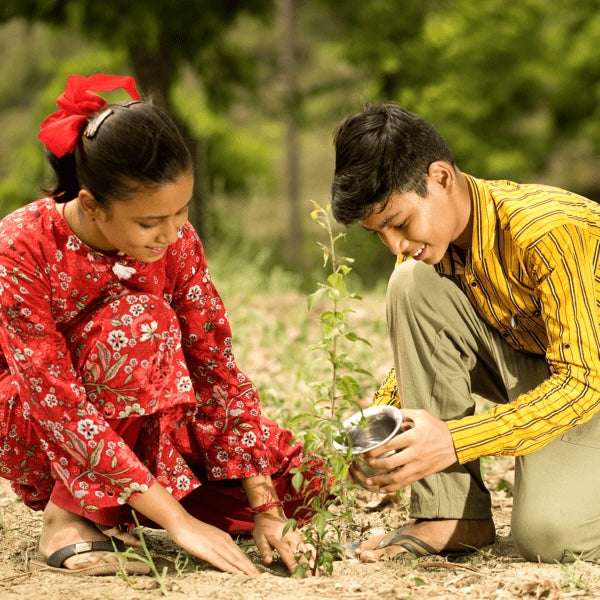
Trees For Shiv Ji - Sacred Tree Planting to Honor Lord Shiva
Honor Lord Shiva through sacred tree planting with Trees For Shiv Ji,...
-
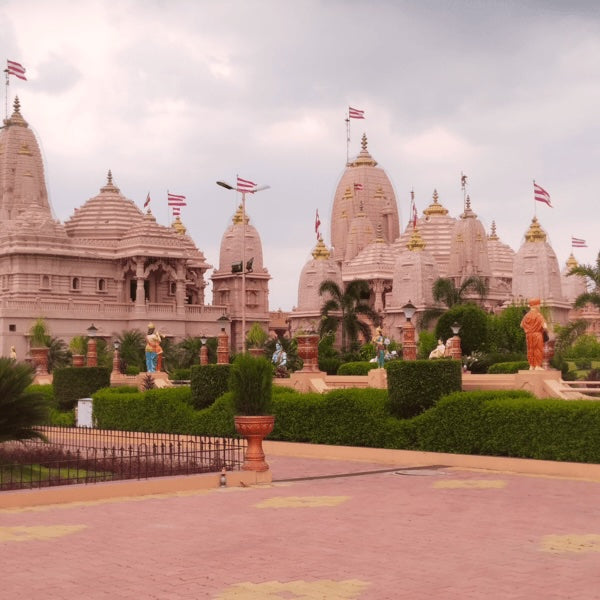
Tree Plantations for Shri Ram - Sacred Devotional Planting Services
Honor Lord Shri Ram through meaningful tree plantations for Shri Ram that...
-
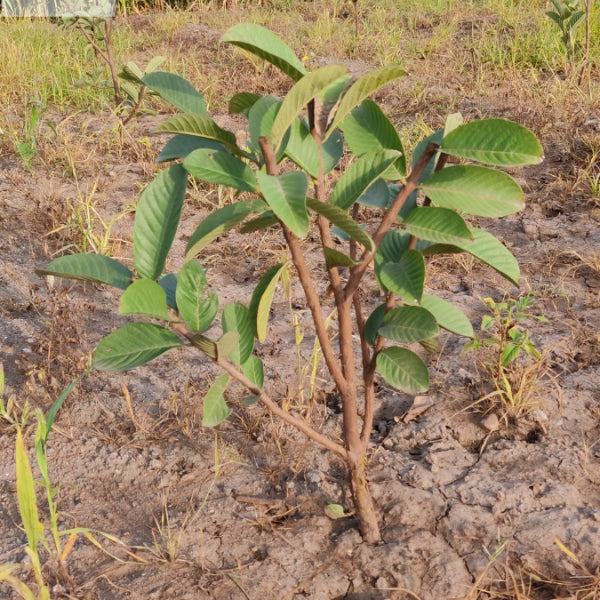
Tree Plantation on Navratri - Celebrate Divine Festivals with Environmental Devotion
Tree plantation on Navratri transforms the sacred nine-day festival into a powerful...
-
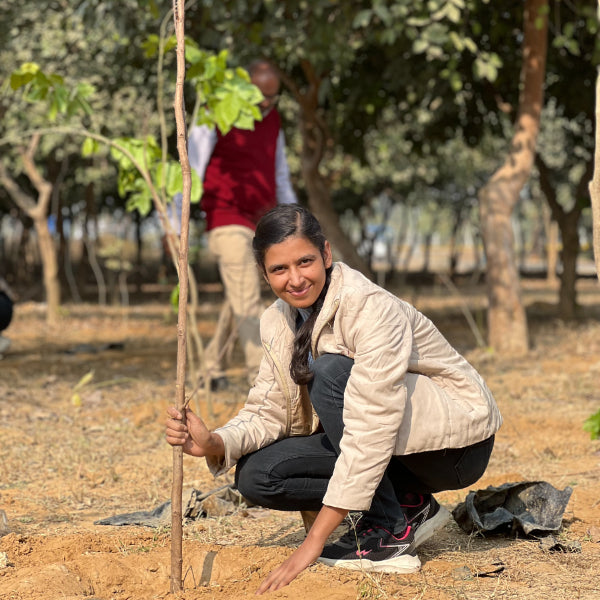
Tree Plantation by Cause - Plant Trees for Every Purpose | Grow Billion Trees
Transform your environmental impact with purpose-driven tree plantation by cause programs that...
Corporate Plantations
-
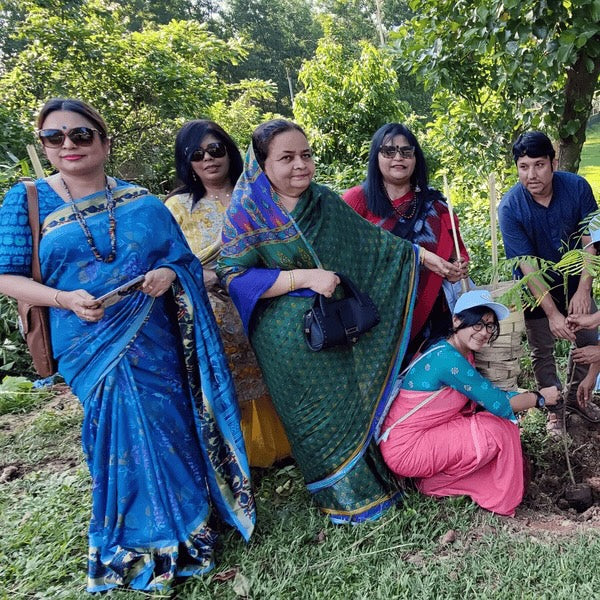
Trees for Corporates - Achieve Net Zero Targets Through Strategic Tree Planting
Trees for Corporates - Strategic Environmental SolutionsTransform your corporate environmental impact with...
-
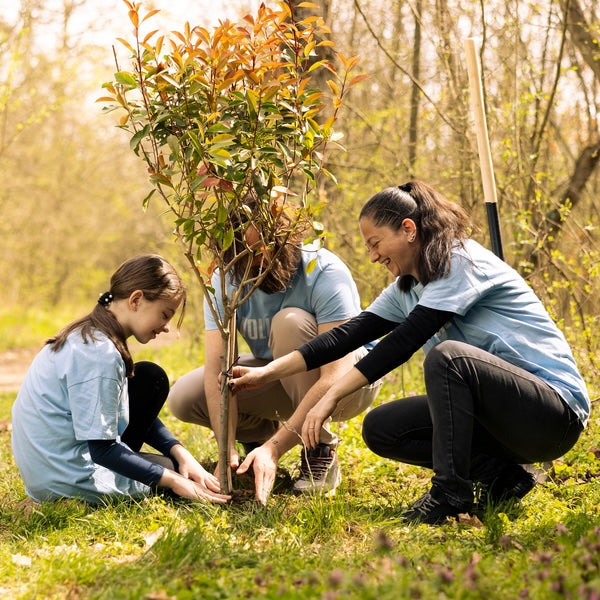
Tree Plantation for CSR - Corporate Environmental Programs | Grow Billion Trees
Tree Plantation for CSR - Transform Your Corporate Environmental ImpactTree plantation for...
-
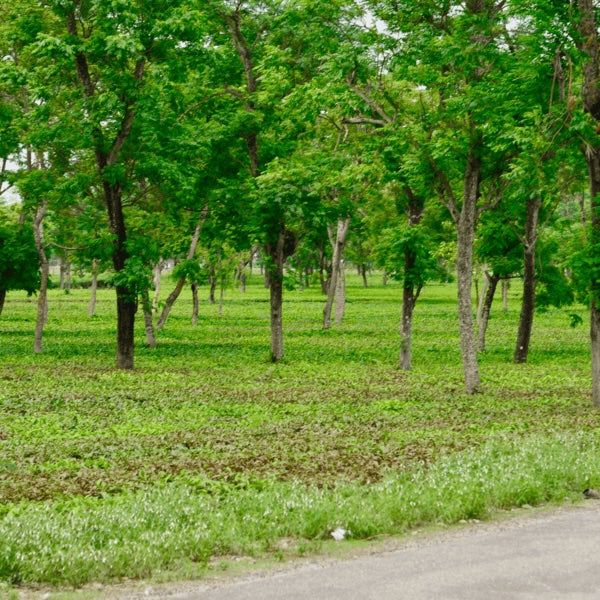
Tree Plantation for SDG - Support Sustainable Development Goals
Tree plantation for SDG initiatives represents a powerful pathway to achieving multiple...
-
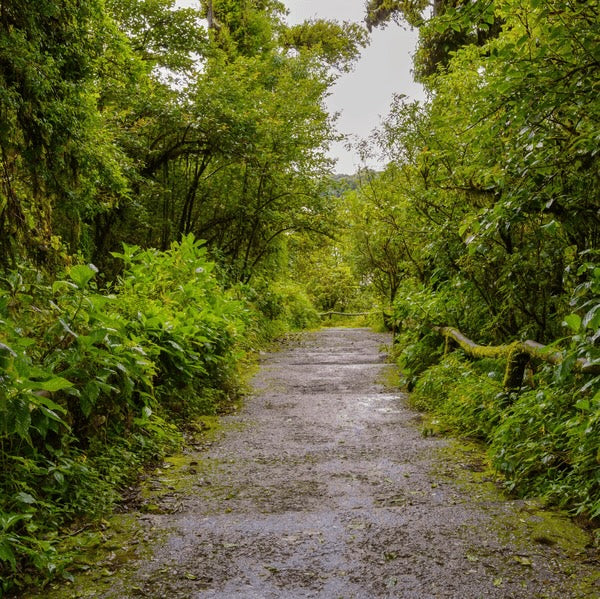
Corporate Tree Plantation Programs - Sustainable ESG Environmental Solutions for Net Zero Targets
Transform your organization's environmental impact with our comprehensive Corporate Tree Plantation Programs...
-
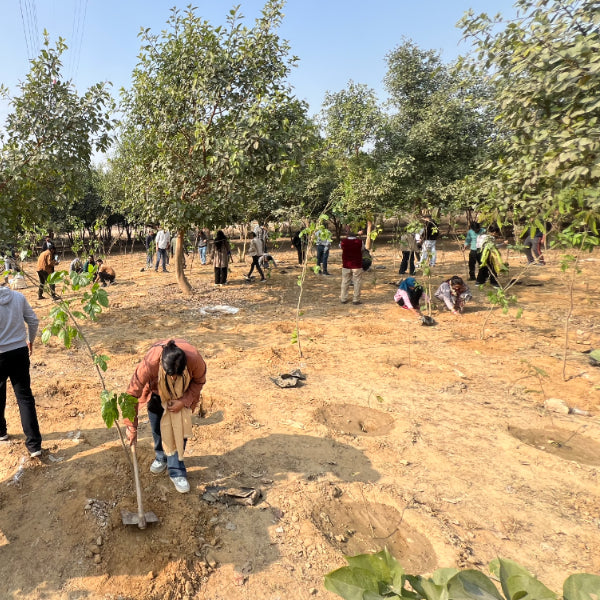
Tree Plantation by Location - Plant Trees Across India
Transform landscapes nationwide through our comprehensive tree plantation by location program. When...
Most Popular Tree Plantations - Top Choices for Environmental Impact
-
Trees for Mother
Regular price ₹ 299Regular priceUnit price per -
Trees to Honor the Memory of your Loved Ones
Regular price ₹ 299Regular priceUnit price per -
Trees for Wedding Anniversary Celebration
Regular price ₹ 299Regular priceUnit price per -
Trees for Grandmother
Regular price ₹ 299Regular priceUnit price per -
Trees for Grandfather
Regular price ₹ 299Regular priceUnit price per

Connect with us
-
👥 Corporates
If you are looking for:
- 🌲 Tree Plantation Events
- 📊 CSR Projects
📧 corporate@growbilliontrees.com
📞 +91 9699723523
💬 +91 9325931304 WhatsApp (Only)
🕒 Mon - Sat | 10am - 7pm IST
-
🧩 Tree Plantation NGOs
If you are looking for:
- 💰 Financial Assistance
- 🤝 Operational Support
📧 support@growbilliontrees.com
📞 +91 9699723523
💬 +91 9325931304 WhatsApp (Only)
🕒 Mon - Sat | 10am - 7pm IST
-
🌼 Individuals
If you are looking for:
- 👥 Group Tree Plantation Drive
- 🌳 Bulk Tree Plantation
📞 +91 9699723523
💬 +91 9325931304 WhatsApp (Only)
🕒 Mon - Sat | 10am - 7pm IST
