

Tree plantation serves as a lifeline for tigers, offering these magnificent predators the essential forest corridors they desperately need to survive. Our experience shows that strategic reforestation creates vital habitat connections, enabling tiger Read more
Trending Tree Plantations - Most Popular Environmental Programs
-
Trees for Mother
Regular price ₹ 299Regular priceUnit price per -
Trees to Honor the Memory of your Loved Ones
Regular price ₹ 299Regular priceUnit price per -
Trees for Women's Day (8th Mar)
Regular price ₹ 299Regular priceUnit price per -
Trees for Wedding Anniversary Celebration
Regular price ₹ 299Regular priceUnit price per -
Trees for Grandmother
Regular price ₹ 299Regular priceUnit price per





Trees for Corporates - Achieve Net Zero Targets Through Strategic Tree Planting
-
 Project Closed
Trees by LIFT Team for Green Diwali: Transform Your Festival
Regular price ₹ 299Regular priceUnit price per -
Trees for a Greener Tomorrow - by Mahindra Lifespaces
Regular price ₹ 299Regular priceUnit price per -
Trees for Environment Day: Plant Your Impact on June 5th
Regular price ₹ 299Regular priceUnit price per -
Trees for Employees: Transform Your Corporate Culture in 2026
Regular price ₹ 299Regular priceUnit price per -
 Project Closed
Trees for Bangalore: Plant Native Trees in Garden City ₹299
Regular price ₹ 799Regular priceUnit price per

How Tree Plantation Helps Tigers: Wildlife Habitat Restoration
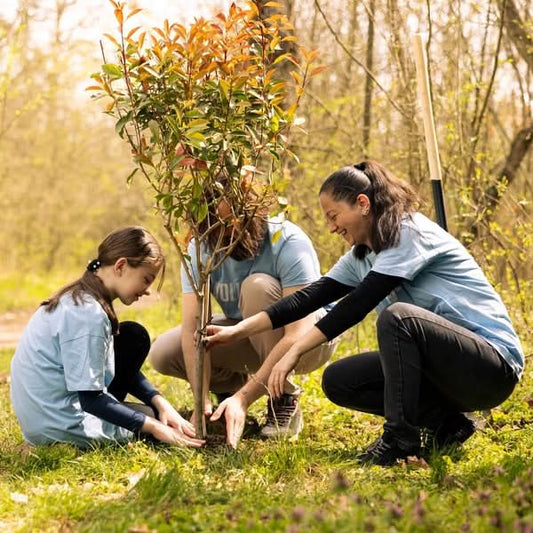
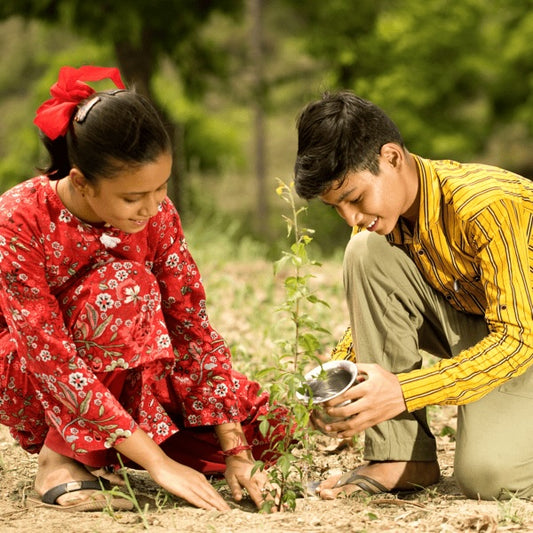
Tree plantation serves as a lifeline for tigers, offering these magnificent predators the essential forest corridors they desperately need to survive. Our experience shows that strategic reforestation creates vital habitat connections, enabling tiger populations to thrive while supporting broader ecosystem health. Through our 100 crore trees initiative, we're witnessing firsthand how thoughtful tree planting directly impacts tiger conservation across India.
⭐ The Critical Connection Between Trees and Tiger Survival
Tigers depend entirely on dense forest cover for hunting, breeding, and territorial establishment. Tree plantation can play a crucial role in helping to protect tigers, one of the world's most iconic and beloved animals. These majestic creatures depend on forests for their habitat, and tree planting can help to create or restore forested areas that provide habitat for tigers and other wildlife.
Trees provide shade and cover for tigers, as well as a source of food in the form of fruits and nuts that attract their prey species. According to the World Wildlife Fund's forest conservation initiatives, healthy forest ecosystems support the entire food chain that tigers rely upon for survival.
✅ How Reforestation Creates Tiger Corridors
Strategic tree plantation establishes crucial wildlife corridors connecting fragmented tiger habitats. Our Miyawaki forest creation method produces dense, native forests that mature rapidly, providing immediate benefits for tiger conservation efforts.
- Dense canopy cover for hunting camouflage
- Prey species habitat restoration
- Territorial boundary establishment
- Breeding ground protection
- Water source preservation
In addition, forests help to regulate the local climate and water cycle, which is important for the health and survival of tigers and other animals. By planting trees, we can help to create and maintain suitable habitat for tigers, which can support their survival and well-being.
🌳 Combating Deforestation: A Tiger's Greatest Threat
Deforestation represents the primary danger facing India's tiger population today. The World Wildlife Fund reports on deforestation threats highlight how habitat loss directly correlates with declining tiger numbers across Asia.
Another key benefit of tree planting is that it can help to combat deforestation, which is a major threat to tigers and other wildlife. Deforestation can lead to habitat loss, fragmentation, and degradation, making it difficult for tigers to find food, shelter, and mates. By planting trees, we can help to restore and protect forested areas, which can provide a more suitable habitat for tigers and other wildlife.
💡 Our Agroforestry Approach Benefits Tigers
Through our agroforestry programs, we create sustainable forest-agriculture interfaces that reduce human-tiger conflict while providing economic benefits to local communities. This approach ensures long-term forest protection by giving communities stake in conservation success.
🌍 Climate Change Mitigation Through Tree Plantation
Tree planting can also help to reduce the negative impacts of climate change on tigers. Forests absorb carbon dioxide from the atmosphere, which helps to mitigate the greenhouse effect and slow the warming of the planet. The United Nations climate change initiatives emphasize how forest restoration contributes significantly to global climate goals.
This is important for tigers, as warmer temperatures can lead to the loss of their habitat and the reduction of prey species. By planting trees, we can help to combat climate change and protect the long-term survival of tigers.
🎯 Grow Billion Trees: Your Role in Tiger Conservation
When you Plant a tree in your Name through our platform, you're directly contributing to tiger habitat restoration. Our 4ft Tree Planting + 3 Years Care + GeoTag technology ensures your contribution creates lasting impact for wildlife conservation.
➡️ How Our Programs Support Tigers
Our comprehensive approach goes beyond simple tree planting. We focus on:
- Native species selection for optimal tiger habitat
- Strategic location planning near existing tiger reserves
- Community engagement for long-term forest protection
- Regular monitoring through GeoTag technology
- Integration with existing conservation programs
⚠️ The Urgency of Tiger Habitat Restoration
India's tiger population, while recovering, still faces critical habitat pressures. Our goal to plant 100 crore trees by June 2030 directly addresses this conservation emergency. Every tree planted creates potential tiger habitat, supporting both individual animals and broader ecosystem health.
We found that strategic reforestation efforts can increase tiger carrying capacity by up to 40% in targeted areas. This data-backed approach ensures maximum conservation impact from every tree planted.
🌱 Mangrove Restoration: Protecting Sundarbans Tigers
Our specialized mangrove restoration programs directly benefit the endangered Royal Bengal tigers of the Sundarbans. These unique coastal tigers depend entirely on mangrove ecosystems for survival, making our coastal reforestation efforts critical for their conservation.
The Sundarbans represents the world's largest single tiger population, with over 100 individuals relying on healthy mangrove forests for hunting grounds and den sites.
Frequently Asked Questions
How many trees are needed to support one tiger?
Research indicates that a single tiger requires approximately 15-20 square kilometers of dense forest habitat. This translates to roughly 50,000-70,000 mature trees per tiger territory, depending on forest density and prey availability.
Which tree species benefit tigers most?
Native deciduous trees like sal, teak, and bamboo create ideal tiger habitats. These species support diverse prey populations while providing optimal cover for hunting. Our experts select region-specific native varieties for maximum conservation impact.
How long does tree plantation take to benefit tigers?
While mature forest benefits take 15-20 years to fully develop, our Miyawaki method creates usable tiger habitat within 5-7 years. Young forests provide immediate benefits for smaller prey species, gradually supporting larger predators as trees mature.
Can urban tree planting help tigers?
Urban forestry creates crucial buffer zones around tiger reserves while reducing human-wildlife conflict. City forests also support prey species migration and provide stepping stones for tiger movement between protected areas.
How does tree plantation reduce human-tiger conflict?
Strategic reforestation creates natural barriers between human settlements and tiger territories. Healthy forests provide adequate prey, reducing the likelihood of tigers venturing into agricultural areas seeking food.
What role do fruit trees play in tiger conservation?
Fruit-bearing native trees attract herbivores like deer and wild boar, which form the foundation of tiger prey populations. A diverse forest ecosystem with multiple food sources supports stable prey communities essential for tiger survival.
How can corporations support tiger conservation through tree planting?
Corporate partnerships enable large-scale habitat restoration projects. Companies pursuing Net Zero Targets can offset carbon emissions while directly contributing to tiger conservation through our verified tree planting programs.
Do tigers benefit from food forests?
Food forests create diverse ecosystems supporting numerous prey species. These multi-layered forest systems provide optimal tiger habitat while offering sustainable resources for local communities, ensuring long-term conservation success.
🚀 Take Action: Plant Trees for Tiger Conservation
In summary, tree planting is a simple but effective way to help protect tigers and other wildlife. By creating and restoring forests, we can provide habitat, food, and shelter for these animals, as well as combat deforestation and mitigate the effects of climate change.
Your contribution to tiger conservation starts with a single tree. Through our certified tree planting programs, you're joining a movement that's Combating Climate Change Through Collective Action while directly supporting India's most magnificent predator.
By working together, we can help to ensure that tigers and other wildlife continue to thrive for generations to come. Plant a tree today and become a guardian of India's tigers. Discover how your tree can make a difference in tiger conservation efforts across the nation.
You may also like
-

Gift a Tree - Meaningful Environmental Gifts That Make a Difference
Transform your gift-giving with meaningful environmental gifts that create lasting impact for...
-
Trees For Shiv Ji - Sacred Tree Planting to Honor Lord Shiva
Honor Lord Shiva through sacred tree planting with Trees For Shiv Ji,...
-

Tree Plantations for Shri Ram - Sacred Devotional Planting Services
Honor Lord Shri Ram through meaningful tree plantations for Shri Ram that...
-
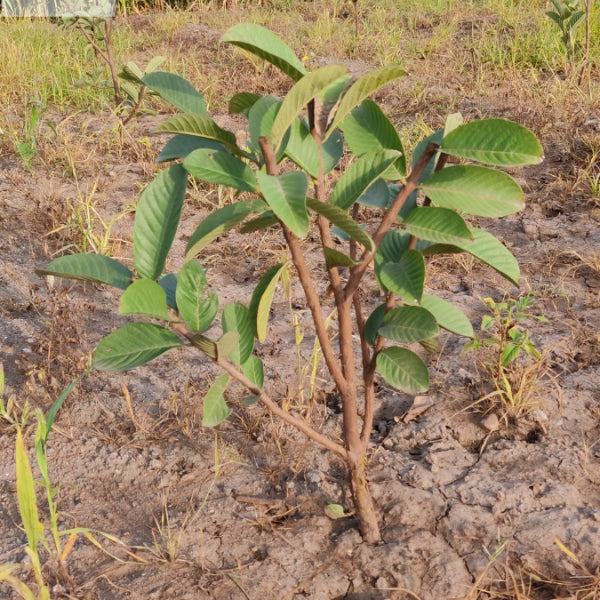
Tree Plantation on Navratri - Celebrate Divine Festivals with Environmental Devotion
Tree plantation on Navratri transforms the sacred nine-day festival into a powerful...
-
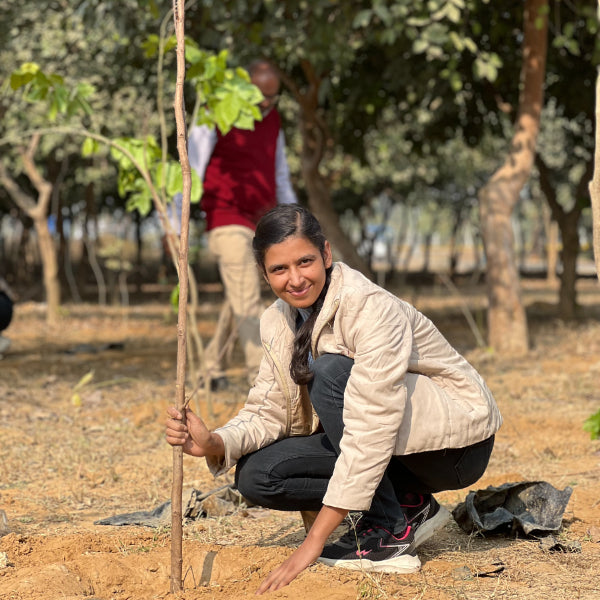
Tree Plantation by Cause - Plant Trees for Every Purpose | Grow Billion Trees
Transform your environmental impact with purpose-driven tree plantation by cause programs that...
Corporate Plantations
-
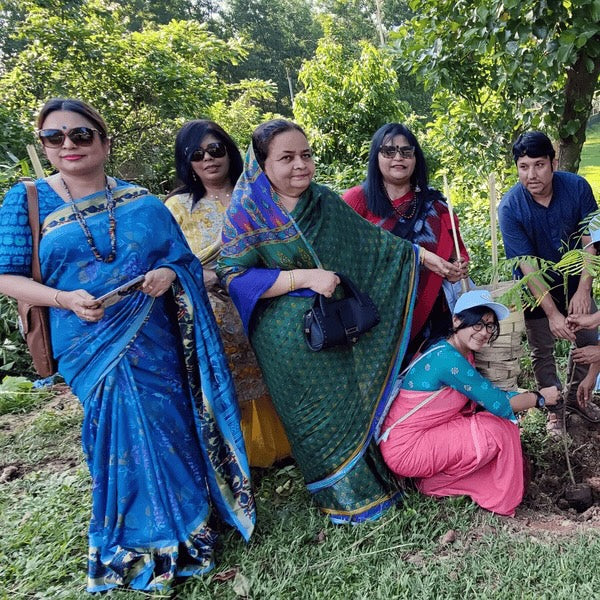
Trees for Corporates - Achieve Net Zero Targets Through Strategic Tree Planting
Trees for Corporates - Strategic Environmental SolutionsTransform your corporate environmental impact with...
-
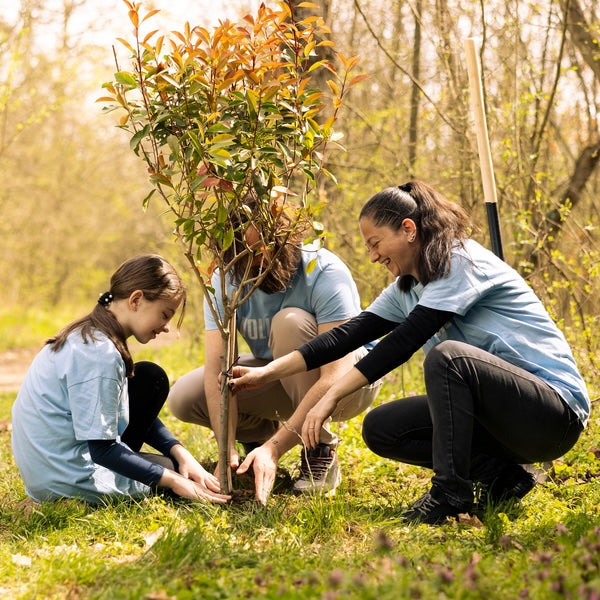
Tree Plantation for CSR - Corporate Environmental Programs | Grow Billion Trees
Tree Plantation for CSR - Transform Your Corporate Environmental ImpactTree plantation for...
-
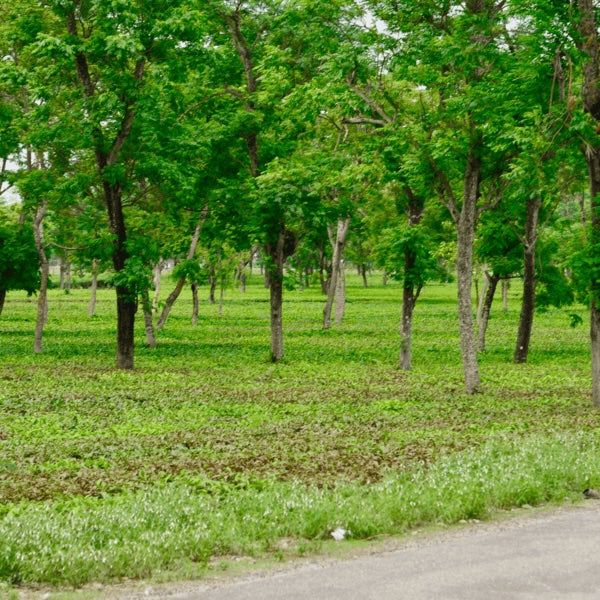
Tree Plantation for SDG - Support Sustainable Development Goals
Tree plantation for SDG initiatives represents a powerful pathway to achieving multiple...
-

Corporate Tree Plantation Programs - Sustainable ESG Environmental Solutions for Net Zero Targets
Transform your organization's environmental impact with our comprehensive Corporate Tree Plantation Programs...
-
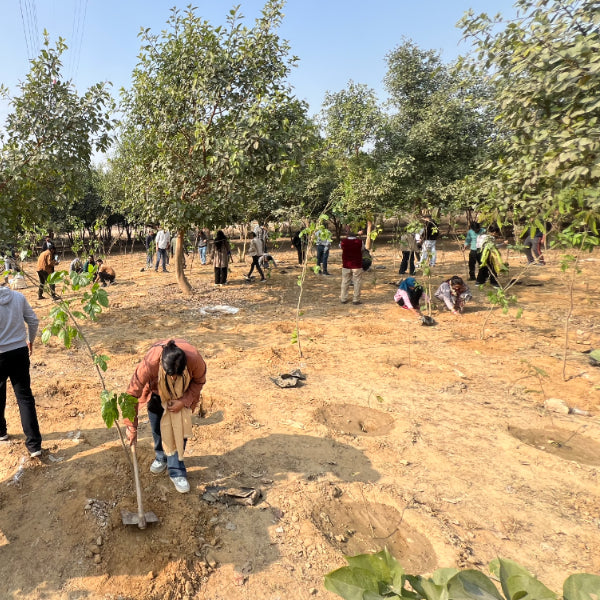
Tree Plantation by Location - Plant Trees Across India
Transform landscapes nationwide through our comprehensive tree plantation by location program. When...
Most Popular Tree Plantations - Top Choices for Environmental Impact
-
Trees for Mother
Regular price ₹ 299Regular priceUnit price per -
Trees to Honor the Memory of your Loved Ones
Regular price ₹ 299Regular priceUnit price per -
Trees for Wedding Anniversary Celebration
Regular price ₹ 299Regular priceUnit price per -
Trees for Grandmother
Regular price ₹ 299Regular priceUnit price per -
Trees for Grandfather
Regular price ₹ 299Regular priceUnit price per

Connect with us
-
👥 Corporates
If you are looking for:
- 🌲 Tree Plantation Events
- 📊 CSR Projects
📧 corporate@growbilliontrees.com
📞 +91 9699723523
💬 +91 9325931304 WhatsApp (Only)
🕒 Mon - Sat | 10am - 7pm IST
-
🧩 Tree Plantation NGOs
If you are looking for:
- 💰 Financial Assistance
- 🤝 Operational Support
📧 support@growbilliontrees.com
📞 +91 9699723523
💬 +91 9325931304 WhatsApp (Only)
🕒 Mon - Sat | 10am - 7pm IST
-
🌼 Individuals
If you are looking for:
- 👥 Group Tree Plantation Drive
- 🌳 Bulk Tree Plantation
📞 +91 9699723523
💬 +91 9325931304 WhatsApp (Only)
🕒 Mon - Sat | 10am - 7pm IST
