
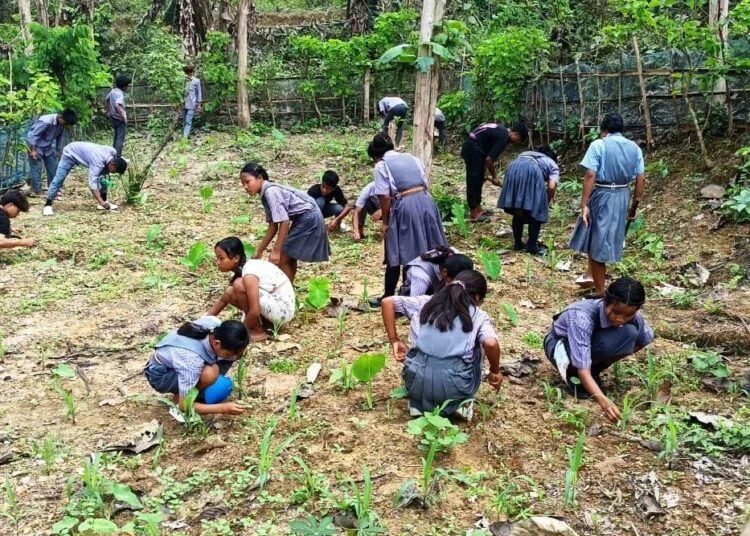
The Nutri-Garden Revolution is transforming India through Poshan Vatika—nutrition gardens that combat malnutrition while creating sustainable communities. These micro-ecosystems are addressing hidden hunger, empowering women, and building climate res Read more
Trending Tree Plantations - Most Popular Environmental Programs
-
Trees for Mother
Regular price ₹ 299Regular priceUnit price per -
Trees to Honor the Memory of your Loved Ones
Regular price ₹ 299Regular priceUnit price per -
Trees for Women's Day (8th Mar)
Regular price ₹ 299Regular priceUnit price per -
Trees for Wedding Anniversary Celebration
Regular price ₹ 299Regular priceUnit price per -
Trees for Grandmother
Regular price ₹ 299Regular priceUnit price per





Trees for Corporates - Achieve Net Zero Targets Through Strategic Tree Planting
-
 Project Closed
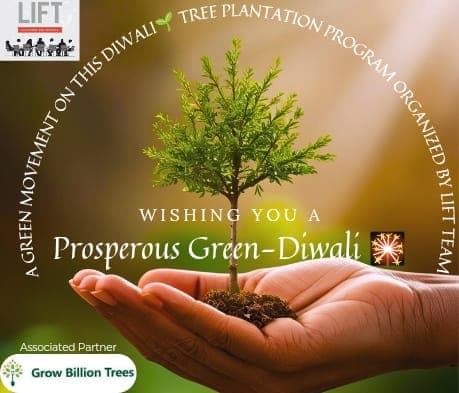
Trees by LIFT Team for Green Diwali: Transform Your Festival
Regular price ₹ 299Regular priceUnit price per -
Trees for a Greener Tomorrow - by Mahindra Lifespaces
Regular price ₹ 299Regular priceUnit price per -
Trees for Environment Day: Plant Your Impact on June 5th
Regular price ₹ 299Regular priceUnit price per -
Trees for Employees: Transform Your Corporate Culture in 2026
Regular price ₹ 299Regular priceUnit price per -
 Project Closed
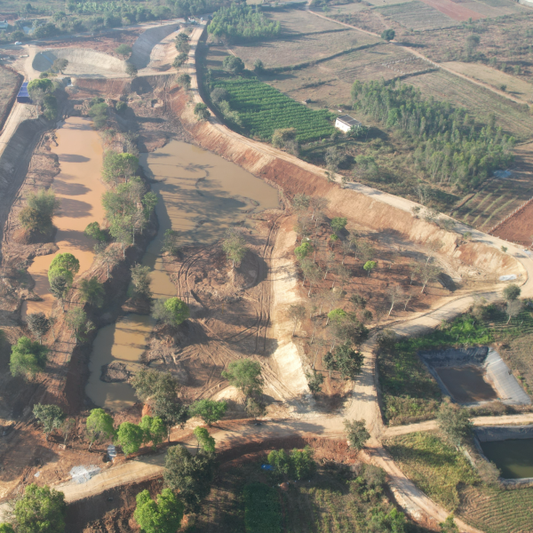
Trees for Bangalore: Plant Native Trees in Garden City ₹299
Regular price ₹ 799Regular priceUnit price per
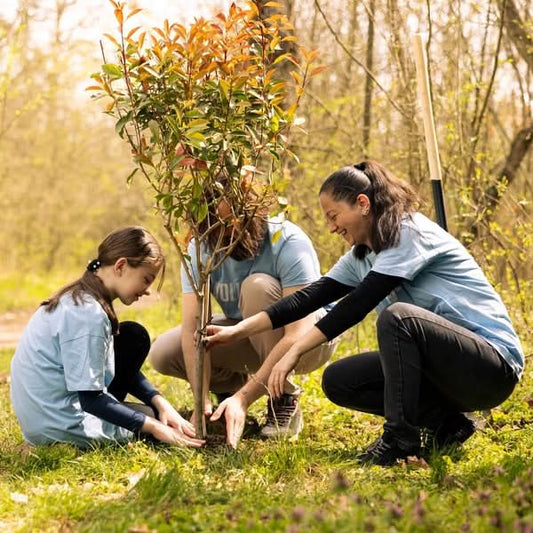
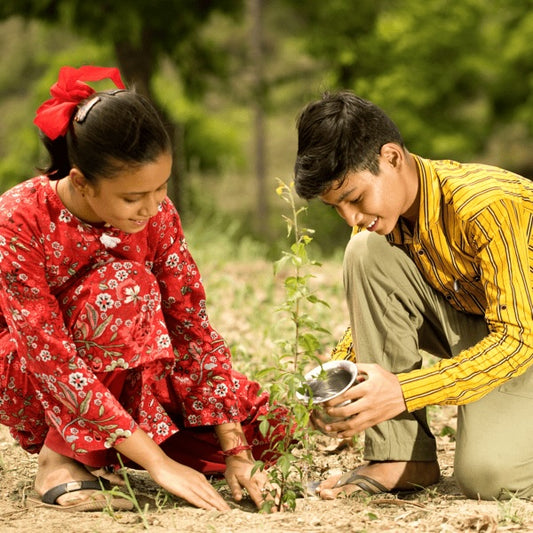
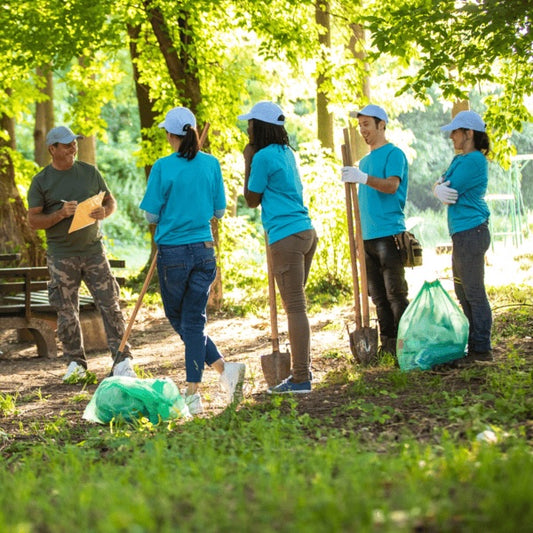
Nutri-Garden Revolution: Poshan Vatika Growing Healthier India
The Nutri-Garden Revolution is transforming India through Poshan Vatika—nutrition gardens that combat malnutrition while creating sustainable communities. These micro-ecosystems are addressing hidden hunger, empowering women, and building climate resilience across rural India, one garden at a time.
A Seed of Change: What Is Poshan Vatika?
Poshan Vatika, meaning "nutrition garden," represents a silent revolution blooming in the heart of India. Spearheaded under the Poshan Abhiyaan (National Nutrition Mission) and strengthened by Mission Poshan 2.0, these gardens flourish across Anganwadi centers, schools, and community lands.
They cultivate vegetables, fruits, herbs, and medicinal plants that address malnutrition, micronutrient deficiencies, and promote dietary diversity. Each garden serves as a beacon of hope in India's fight against hidden hunger.
Ancient Wisdom Meets Modern Solutions
The Nutri-Garden Revolution draws from India's ancient Vrikshayurveda system, which promoted cultivating plants for food, healing, and spiritual well-being. Today's Poshan Vatikas revive these traditions through collaborations with Ayush ministries, tribal schools, and rural self-help groups.
From Brahmi to Tulsi, traditional plants are reclaiming their rightful place in our diets and gardens. This integration of ancient wisdom with modern nutritional science exemplifies sustainable development at its finest.
What Grows in a Poshan Vatika?
A typical Poshan Vatika cultivates a diverse array of nutrient-rich crops:
- Leafy Greens: Spinach, Methi, Amaranth, Bathua
- Vegetables: Tomato, Brinjal, Okra, Bottle Gourd
- Herbs & Medicinal Plants: Tulsi, Giloy, Brahmi, Aloe Vera
- Fruits: Lemon, Amla, Papaya, Pomegranate
- Millets & Creepers: Ragi, Pumpkin, Bitter Gourd
These foods provide essential iron, folic acid, vitamin A, vitamin C, calcium, and dietary fiber. A 150 square meter nutri-garden can meet the yearly vegetable needs of a family of 4-5 people, demonstrating remarkable efficiency.
The Science Behind Nutritional Impact
The Nutri-Garden Revolution addresses critical nutritional gaps with scientific precision. According to the United Nations Sustainable Development Goals, over 149 million children worldwide are stunted, and 45 million are wasted due to micronutrient deficiencies.
India carries a significant burden of hidden hunger—a condition where food is available, but nutrition is lacking. Studies reveal families with nutri-gardens consume 33% more vegetables and fruits than others. These gardens help reduce anemia, improve hemoglobin levels, and combat undernutrition in women and children.
The scientific approach ensures each garden becomes a powerhouse of bioavailable nutrients, directly addressing malnutrition at the grassroots level.
Environmental Benefits: Growing Green, Living Clean
The environmental impact of Poshan Vatikas extends far beyond nutrition. These gardens align with United Nations climate change action by creating sustainable micro-ecosystems that benefit both people and planet.
Eco Impact includes:
- ✅ Reduced carbon footprints through decreased food transportation
- ✅ Organic composting and chemical-free practices
- ✅ Enhanced local biodiversity with traditional crops
- ✅ Greywater recycling and improved soil health
These mini green lungs demonstrate how small-scale environmental action can create significant collective impact. They serve as replicable models for sustainable agriculture across communities.
Women's Empowerment Through Gardens
The Nutri-Garden Revolution places women at its center, creating unprecedented opportunities for empowerment. Rural women gain ownership of community resources, training in sustainable agriculture, and health awareness that transforms entire families.
Women-led Self Help Groups (SHGs) serve as the backbone of these gardens. They decide cultivation plans, manage harvests, and often establish small businesses from surplus produce. Many earn ₹1,500-₹3,000 monthly, providing crucial household income while improving community nutrition.
This empowerment creates a ripple effect—educated women make better nutritional choices, leading to healthier families and stronger communities.
Real Stories from Rural India
Jharkhand: Women in tribal communities transformed backyard nutri-gardens into sustainable income sources. They now supply fresh greens to local Anganwadis while earning substantial monthly income.
Odisha: An innovative Anganwadi worker converted her entire center into a nutrition hub featuring vertical gardens, water harvesting, and herbal beds. Children now consume spinach and amla directly from their garden.
Maharashtra: Schoolgirls initiated a comprehensive garden in their schoolyard, reducing absenteeism and increasing interest in science through hands-on farming experiences.
These success stories demonstrate how the Nutri-Garden Revolution creates lasting change in communities across India.
Educational Impact: School + Soil = Superpower
School Poshan Vatikas transform education by combining learning with practical application. Students gain hands-on experience in biology and botany while developing healthy eating habits through consuming their own produce.
The educational benefits include:
- 💡 Experiential learning in biology and environmental science
- 💡 Water conservation through recycled water systems
- 💡 Sustainability practices including composting and seasonal farming
- 💡 Nutritional awareness and healthy habit formation
This approach builds environmentally conscious citizens who understand the connection between food production and environmental stewardship.
Implementation and Government Support
The Nutri-Garden Revolution receives comprehensive government backing through multiple ministries and programs. The Ministry of Women and Child Development, Ministry of Ayush, and Ministry of Agriculture collaborate to ensure success.
MNREGA provides land preparation and fencing support, while the National Horticulture Board supplies seed kits. Anganwadi workers receive training for community awareness and garden management.
Over 4.3 lakh Vatikas have been established with more than 1 lakh medicinal saplings planted. This massive scale demonstrates the government's commitment to combating malnutrition through sustainable agriculture.
Measurable Impact and Results
The Nutri-Garden Revolution delivers quantifiable benefits across multiple dimensions:
- ✅ Higher Dietary Diversity: Families consume 2x more fruits and vegetables
- ✅ Cost Savings: Monthly grocery savings of ₹500-₹1,000 per family
- ✅ Improved Health: Reduced anemia and improved immunity
- ✅ Climate Resilience: Drought-resistant food security solutions
These measurable outcomes validate the effectiveness of community-based nutritional interventions and sustainable agriculture practices.
Connecting to Broader Environmental Goals
The Nutri-Garden Revolution aligns with global environmental initiatives. As highlighted by WWF forest conservation efforts, small-scale sustainable agriculture contributes to larger ecosystem preservation goals.
At Grow Billion Trees, we recognize how Poshan Vatikas complement our mission to plant 100 crore trees across India. While we focus on large-scale reforestation through our 4ft Tree Planting + 3 Years Care + GeoTag program, nutri-gardens demonstrate how communities can create immediate environmental and nutritional impact.
Our Plant a tree in your Name initiative for just ₹299 works alongside community gardens to build comprehensive environmental solutions. Together, we're Combating Climate Change Through Collective Action while helping corporates achieve their Net Zero Targets.
Frequently Asked Questions
What is the Nutri-Garden Revolution?
The Nutri-Garden Revolution refers to India's nationwide initiative to establish Poshan Vatikas (nutrition gardens) that combat malnutrition while promoting environmental sustainability. These gardens grow diverse crops to address micronutrient deficiencies in communities.
How much space is needed for a Poshan Vatika?
A typical Poshan Vatika requires 150 square meters to meet the yearly vegetable needs of a 4-5 member family. However, gardens can be scaled based on available space and community requirements.
What crops are grown in nutri-gardens?
Poshan Vatikas cultivate leafy greens (spinach, methi), vegetables (tomato, brinjal), herbs (tulsi, brahmi), fruits (lemon, amla), and millets. The selection focuses on nutrient-dense, locally adapted varieties.
How do nutri-gardens empower women?
Women gain ownership of community resources, receive agricultural training, and often earn ₹1,500-₹3,000 monthly from surplus produce sales. This economic empowerment strengthens their decision-making power in households.
What government support is available for Poshan Vatikas?
Multiple ministries support the initiative including Women and Child Development, Ayush, and Agriculture. MNREGA provides infrastructure support, while the National Horticulture Board supplies seed kits and training.
How do school gardens benefit students?
School Poshan Vatikas provide experiential learning in biology, promote healthy eating habits, teach sustainability practices, and improve attendance rates through engaging hands-on activities.
What are the environmental benefits of nutri-gardens?
These gardens reduce carbon footprints, promote organic farming, enhance biodiversity, enable water recycling, and improve soil health while creating sustainable food systems.
How can communities start their own nutri-garden?
Communities can approach local Anganwadi centers, connect with government agriculture departments, or work with organizations like Grow Billion Trees to establish comprehensive environmental programs including both tree planting and nutrition gardens.The Nutri-Garden Revolution demonstrates how simple, community-based solutions can address complex challenges like malnutrition and environmental degradation. By nurturing these gardens, India is growing not just healthier food, but healthier communities and a more sustainable future.Ready to join this green revolution? Explore how you can plant a tree in your name and contribute to India's environmental transformation. Together, we can build a healthier, greener tomorrow—one garden, one tree, one community at a time.
You may also like
-
Trending Tree Plantations - Most Popular Environmental Programs
Trending Tree Plantation Programs - India's Most Popular Environmental SolutionsDiscover the most...
Corporate Plantations
-
Trees for Corporates - Achieve Net Zero Targets Through Strategic Tree Planting
Trees for Corporates - Strategic Environmental SolutionsTransform your corporate environmental impact with...
Most Popular Tree Plantations - Top Choices for Environmental Impact
-
Trees for Mother
Regular price ₹ 299Regular priceUnit price per -
Trees to Honor the Memory of your Loved Ones
Regular price ₹ 299Regular priceUnit price per -
Trees for Wedding Anniversary Celebration
Regular price ₹ 299Regular priceUnit price per -
Trees for Grandmother
Regular price ₹ 299Regular priceUnit price per -
Trees for Grandfather
Regular price ₹ 299Regular priceUnit price per

Connect with us
-
👥 Corporates
If you are looking for:
- 🌲 Tree Plantation Events
- 📊 CSR Projects
📧 corporate@growbilliontrees.com
📞 +91 9699723523
💬 +91 9325931304 WhatsApp (Only)
🕒 Mon - Sat | 10am - 7pm IST
-
🧩 Tree Plantation NGOs
If you are looking for:
- 💰 Financial Assistance
- 🤝 Operational Support
📧 support@growbilliontrees.com
📞 +91 9699723523
💬 +91 9325931304 WhatsApp (Only)
🕒 Mon - Sat | 10am - 7pm IST
-
🌼 Individuals
If you are looking for:
- 👥 Group Tree Plantation Drive
- 🌳 Bulk Tree Plantation
📞 +91 9699723523
💬 +91 9325931304 WhatsApp (Only)
🕒 Mon - Sat | 10am - 7pm IST
