

Snakes have long held a significant place in Indian culture, symbolizing both fear and reverence. Beyond their cultural significance, these remarkable creatures play a vital role in maintaining the delicate balance of our ecosystems. The importance o Read more
Trending Tree Plantations - Most Popular Environmental Programs
-
Trees for Mother
Regular price ₹ 299Regular priceUnit price per -
Trees to Honor the Memory of your Loved Ones
Regular price ₹ 299Regular priceUnit price per -
Trees for Women's Day (8th Mar)
Regular price ₹ 299Regular priceUnit price per -
Trees for Wedding Anniversary Celebration
Regular price ₹ 299Regular priceUnit price per -
Trees for Grandmother
Regular price ₹ 299Regular priceUnit price per





Trees for Corporates - Achieve Net Zero Targets Through Strategic Tree Planting
-
 Project Closed
Trees by LIFT Team for Green Diwali: Transform Your Festival
Regular price ₹ 299Regular priceUnit price per -
Trees for a Greener Tomorrow - by Mahindra Lifespaces
Regular price ₹ 299Regular priceUnit price per -
Trees for Environment Day: Plant Your Impact on June 5th
Regular price ₹ 299Regular priceUnit price per -
Trees for Employees: Transform Your Corporate Culture in 2026
Regular price ₹ 299Regular priceUnit price per -
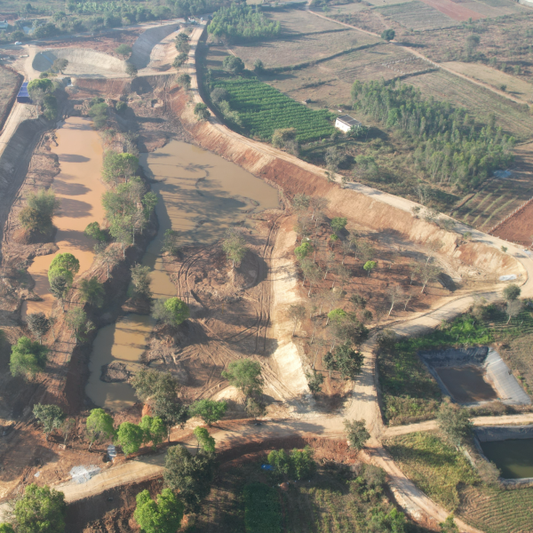 Project Closed
Trees for Bangalore: Plant Native Trees in Garden City ₹299
Regular price ₹ 799Regular priceUnit price per



The Importance of Snakes in Indian Culture and Ecosystems
Snakes have long held a significant place in Indian culture, symbolizing both fear and reverence. Beyond their cultural significance, these remarkable creatures play a vital role in maintaining the delicate balance of our ecosystems. The importance of snakes in Indian culture and ecosystems extends far beyond mythology, encompassing crucial ecological functions that support biodiversity and agricultural sustainability across the subcontinent.
✅ Ecological Balance: Nature's Silent Guardians
Snakes are crucial for maintaining the ecological balance in various ways. Their presence in ecosystems creates a ripple effect that benefits countless other species and environmental processes.
Natural Pest Control
Snakes act as nature's pest controllers by preying on rodents, insects, and other small animals. By keeping their populations in check, they help control pests that could otherwise wreak havoc on crops and spread diseases. A single snake can consume hundreds of rodents per year, providing invaluable agricultural benefits that align with sustainable development goals for food security.
Regulation of Prey Populations
Snakes occupy different positions in the food chain, playing an essential role in regulating the populations of their prey. By controlling prey numbers, they prevent ecological imbalances that could occur due to overpopulation. This natural regulation system ensures that no single species dominates an ecosystem, maintaining the biodiversity that is essential for environmental health.
Nutrient Cycling
Snakes contribute to nutrient cycling by consuming smaller animals and releasing essential nutrients back into the ecosystem through their waste. This process supports the growth of plants and ensures a healthy and fertile environment. Their role in decomposition and nutrient distribution helps maintain soil quality and supports forest regeneration, which is vital for forest conservation initiatives worldwide.
⭐ Cultural Reverence: Sacred Serpents in Indian Tradition
Snakes hold a special place in Indian culture, with a deep-rooted reverence for these creatures that spans millennia. This cultural significance has created a unique relationship between humans and serpents that continues to influence conservation efforts today.
Hindu Mythology and Symbolism
Indian mythology abounds with stories featuring serpents. Lord Shiva, the destroyer and transformer, is often depicted with a snake around his neck, symbolizing his control over destructive forces. The serpent deities, Nagas, are worshipped for their protective and regenerative powers. These mythological connections have created a cultural framework that views snakes as sacred beings deserving of protection and respect.
Nag Panchami, a Hindu festival dedicated to snake worship, demonstrates the deep cultural reverence for these creatures. During this celebration, devotees offer prayers and milk to snake deities, seeking protection and blessings for their families and communities.
Folklore and Traditional Medicine
In many Indian communities, folklore and traditional knowledge highlight the healing properties of snake venom and the importance of snakes in folk medicine. Snakes are believed to possess mystical powers and are associated with fertility, protection, and spiritual enlightenment. Traditional healers, known as snake charmers, have historically played important roles in rural communities, though modern conservation efforts focus on more sustainable practices.
🌱 Conservation Efforts: Protecting Sacred Species
The cultural respect for snakes in India has led to conservation initiatives aimed at preserving these creatures. Sacred groves and temples are often dedicated to snake deities, providing safe habitats for them. Organizations and individuals are actively involved in snake rescue, rehabilitation, and awareness campaigns to promote their conservation.
Modern conservation programs work closely with local communities to balance traditional beliefs with scientific understanding. These initiatives align with global climate change action plans that recognize the importance of biodiversity conservation in ecosystem resilience.
At Grow Billion Trees, we understand that Combating Climate Change Through Collective Action requires protecting all species, including our serpentine allies. Our comprehensive environmental restoration programs recognize that healthy ecosystems depend on the intricate relationships between all species, from the trees we plant to the snakes that maintain ecological balance.
💡 Promoting Coexistence: Building Harmony
To ensure the continued well-being of snakes and our ecosystems, it is essential to promote coexistence and dispel common misconceptions. Education and awareness play a crucial role in understanding the ecological importance of snakes and dispelling unfounded fears.
Habitat Preservation
Protecting natural habitats, including forests, wetlands, and grasslands, is vital for snake conservation. Preserving these habitats safeguards the intricate web of life, including the habitats of snakes and their prey. Our 4ft Tree Planting + 3 Years Care + GeoTag program creates forest corridors that provide essential habitat for wildlife, including native snake species.
Responsible Interaction
Encouraging responsible and non-invasive interactions with snakes is essential. Educating communities about snake behavior, avoiding unnecessary killings, and seeking professional help for snake encounters can foster harmonious coexistence. Professional snake rescuers and wildlife experts provide valuable services in safely relocating snakes from human settlements to appropriate natural habitats.
🌍 Global Impact and Local Action
The importance of snakes extends beyond Indian borders, contributing to global biodiversity and ecosystem health. Climate change and habitat destruction threaten snake populations worldwide, making conservation efforts more critical than ever. India's traditional reverence for snakes provides a valuable model for other countries seeking to balance human development with wildlife conservation.
Through our mission to Plant a tree in your Name for just ₹299, we're creating habitats that support diverse wildlife populations, including the snakes that play crucial roles in ecosystem balance. Our goal of planting 100 crore trees by 2030 will create vast networks of green spaces that provide refuge for threatened species while helping communities achieve their Net Zero Targets.
Frequently Asked Questions
Why are snakes important for agricultural communities in India?
Snakes provide natural pest control by consuming rodents that damage crops and spread diseases. A single snake can eliminate hundreds of agricultural pests annually, saving farmers significant economic losses while reducing the need for harmful pesticides.
How do snakes contribute to forest ecosystem health?
Snakes maintain prey population balance, contribute to nutrient cycling, and support biodiversity. Their presence indicates healthy ecosystem functioning and helps maintain the complex food webs essential for forest sustainability.
What role do snakes play in Indian religious practices?
Snakes are revered in Hindu mythology as symbols of power, protection, and regeneration. Festivals like Nag Panchami celebrate serpent deities, while many temples maintain sacred groves that serve as snake sanctuaries.
How can communities safely coexist with snakes?
Education about snake behavior, habitat preservation, and professional snake rescue services enable safe coexistence. Avoiding unnecessary killings and maintaining natural habitats reduces human-snake conflicts.
What threats do Indian snake populations face today?
Habitat destruction, urbanization, climate change, and human persecution threaten snake populations. Conservation efforts focus on habitat protection, education, and rescue programs to address these challenges.
How do traditional beliefs support snake conservation?
Cultural reverence creates natural protection for snakes through sacred groves, temple sanctuaries, and community taboos against killing. These traditional practices complement modern conservation strategies.
What can individuals do to support snake conservation?
Support habitat restoration projects, educate others about snake importance, avoid using harmful pesticides, and contact professionals for snake encounters rather than attempting removal yourself.
How do snakes help combat climate change?
By maintaining ecosystem balance and supporting biodiversity, snakes contribute to ecosystem resilience against climate change. Healthy ecosystems with diverse species are better equipped to adapt to environmental changes.Snakes, revered in Indian culture and integral to our ecosystems, deserve our respect and protection. Recognizing their ecological significance and cultural reverence allows us to appreciate their role in maintaining the balance of our fragile ecosystems. The importance of snakes in Indian culture and ecosystems demonstrates how traditional wisdom and modern science can work together to protect biodiversity.As we celebrate World Snake Day, let us strive to conserve and coexist with these magnificent creatures, ensuring the preservation of our natural heritage for generations to come. Learn more about how you can contribute to ecosystem restoration and wildlife conservation by visiting Grow Billion Trees and join our mission to create a greener, more biodiverse future for all species.
You may also like
-

Gift a Tree - Meaningful Environmental Gifts That Make a Difference
Transform your gift-giving with meaningful environmental gifts that create lasting impact for...
-

Trees For Shiv Ji - Sacred Tree Planting to Honor Lord Shiva
Honor Lord Shiva through sacred tree planting with Trees For Shiv Ji,...
-

Tree Plantations for Shri Ram - Sacred Devotional Planting Services
Honor Lord Shri Ram through meaningful tree plantations for Shri Ram that...
-
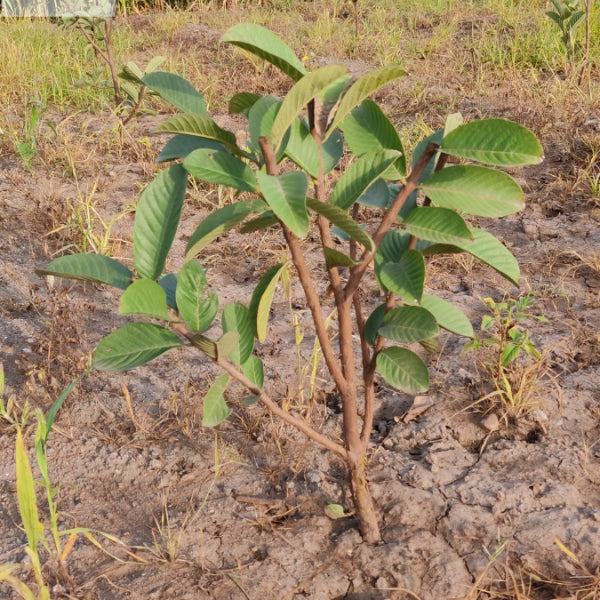
Tree Plantation on Navratri - Celebrate Divine Festivals with Environmental Devotion
Tree plantation on Navratri transforms the sacred nine-day festival into a powerful...
-
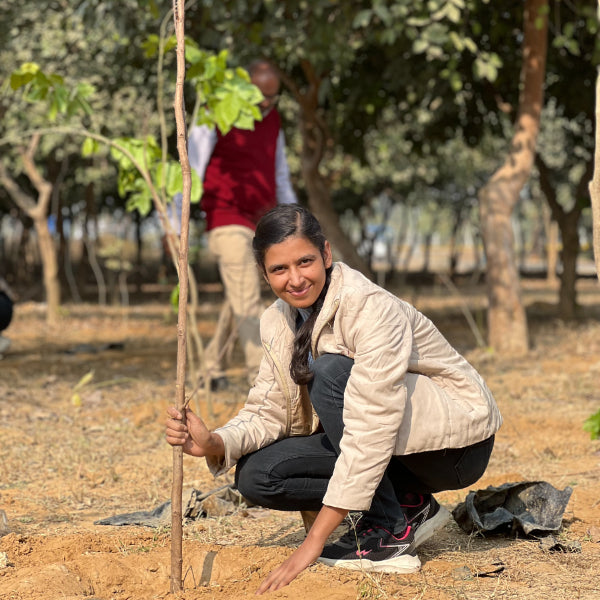
Tree Plantation by Cause - Plant Trees for Every Purpose | Grow Billion Trees
Transform your environmental impact with purpose-driven tree plantation by cause programs that...
Corporate Plantations
-
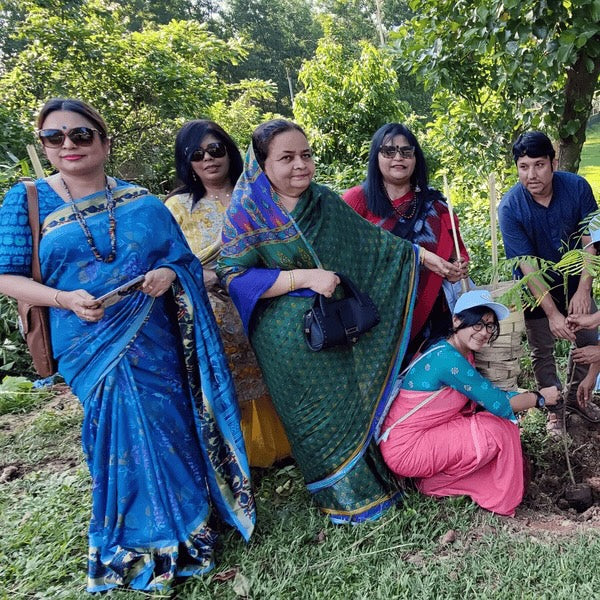
Trees for Corporates - Achieve Net Zero Targets Through Strategic Tree Planting
Trees for Corporates - Strategic Environmental SolutionsTransform your corporate environmental impact with...
-

Tree Plantation for CSR - Corporate Environmental Programs | Grow Billion Trees
Tree Plantation for CSR - Transform Your Corporate Environmental ImpactTree plantation for...
-
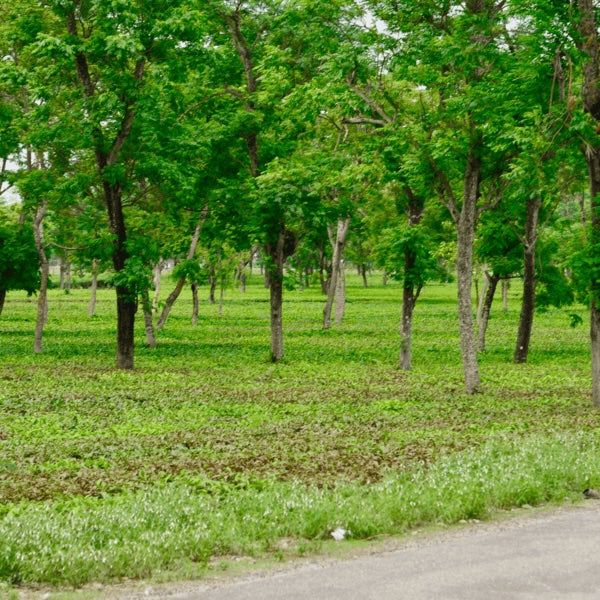
Tree Plantation for SDG - Support Sustainable Development Goals
Tree plantation for SDG initiatives represents a powerful pathway to achieving multiple...
-

Corporate Tree Plantation Programs - Sustainable ESG Environmental Solutions for Net Zero Targets
Transform your organization's environmental impact with our comprehensive Corporate Tree Plantation Programs...
-
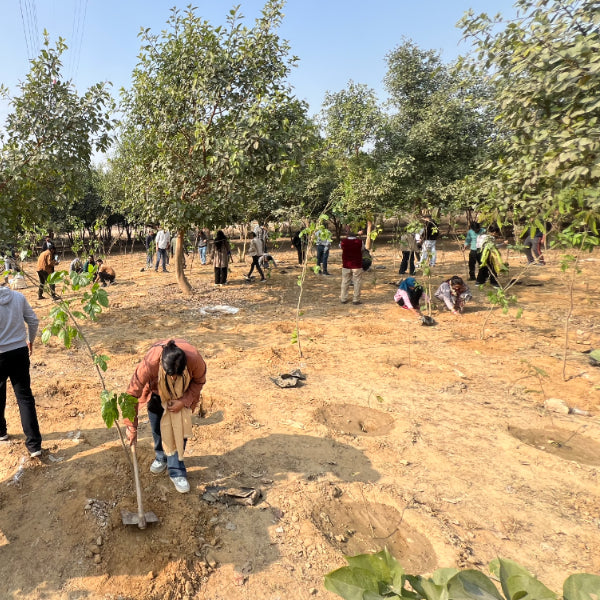
Tree Plantation by Location - Plant Trees Across India
Transform landscapes nationwide through our comprehensive tree plantation by location program. When...
Most Popular Tree Plantations - Top Choices for Environmental Impact
-
Trees for Mother
Regular price ₹ 299Regular priceUnit price per -
Trees to Honor the Memory of your Loved Ones
Regular price ₹ 299Regular priceUnit price per -
Trees for Wedding Anniversary Celebration
Regular price ₹ 299Regular priceUnit price per -
Trees for Grandmother
Regular price ₹ 299Regular priceUnit price per -
Trees for Grandfather
Regular price ₹ 299Regular priceUnit price per

Connect with us
-
👥 Corporates
If you are looking for:
- 🌲 Tree Plantation Events
- 📊 CSR Projects
📧 corporate@growbilliontrees.com
📞 +91 9699723523
💬 +91 9325931304 WhatsApp (Only)
🕒 Mon - Sat | 10am - 7pm IST
-
🧩 Tree Plantation NGOs
If you are looking for:
- 💰 Financial Assistance
- 🤝 Operational Support
📧 support@growbilliontrees.com
📞 +91 9699723523
💬 +91 9325931304 WhatsApp (Only)
🕒 Mon - Sat | 10am - 7pm IST
-
🌼 Individuals
If you are looking for:
- 👥 Group Tree Plantation Drive
- 🌳 Bulk Tree Plantation
📞 +91 9699723523
💬 +91 9325931304 WhatsApp (Only)
🕒 Mon - Sat | 10am - 7pm IST
