
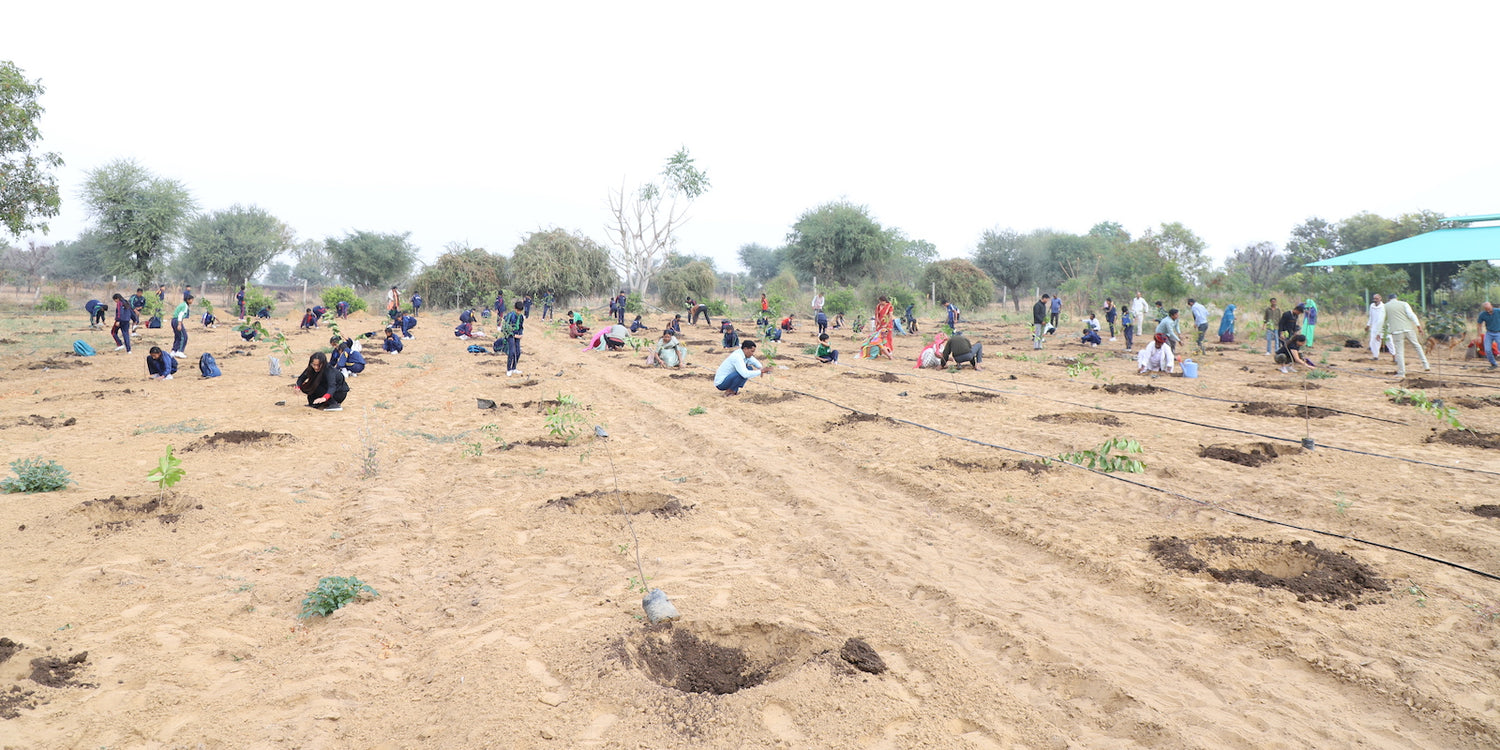
In the intricate tapestry of our planet's ecosystems, sowing diversity, growing life represents the fundamental principle that guides successful biodiversity conservation through strategic tree plantation. Every tree we plant becomes a cornerstone fo Read more
Trending Tree Plantations - Most Popular Environmental Programs
-
Trees for Mother
Regular price ₹ 299Regular priceUnit price per -
Trees to Honor the Memory of your Loved Ones
Regular price ₹ 299Regular priceUnit price per -
Trees for Women's Day (8th Mar)
Regular price ₹ 299Regular priceUnit price per -
Trees for Wedding Anniversary Celebration
Regular price ₹ 299Regular priceUnit price per -
Trees for Grandmother
Regular price ₹ 299Regular priceUnit price per





Trees for Corporates - Achieve Net Zero Targets Through Strategic Tree Planting
-
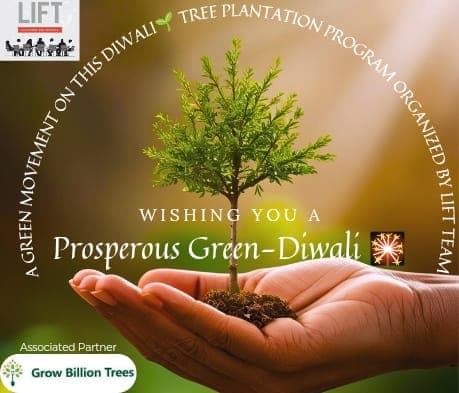 Project Closed
Trees by LIFT Team for Green Diwali: Transform Your Festival
Regular price ₹ 299Regular priceUnit price per -
Trees for a Greener Tomorrow - by Mahindra Lifespaces
Regular price ₹ 299Regular priceUnit price per -
Trees for Environment Day: Plant Your Impact on June 5th
Regular price ₹ 299Regular priceUnit price per -
Trees for Employees: Transform Your Corporate Culture in 2026
Regular price ₹ 299Regular priceUnit price per -
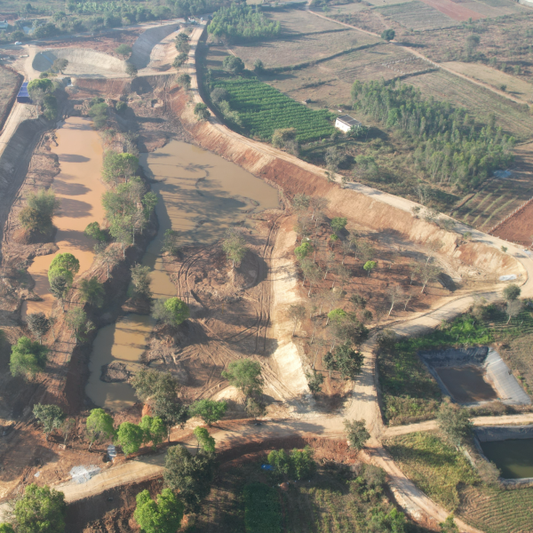 Project Closed
Trees for Bangalore: Plant Native Trees in Garden City ₹299
Regular price ₹ 799Regular priceUnit price per
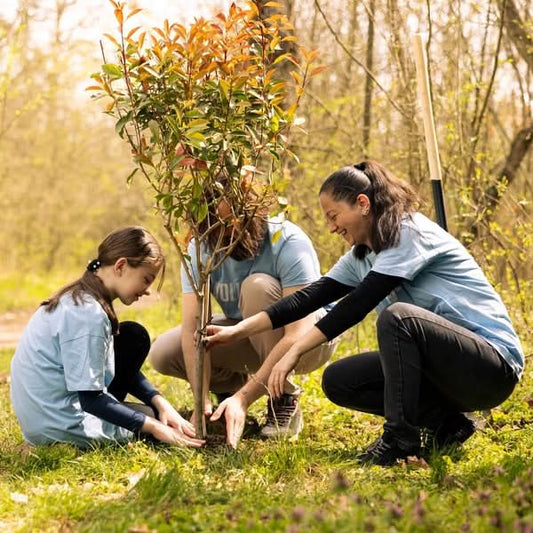
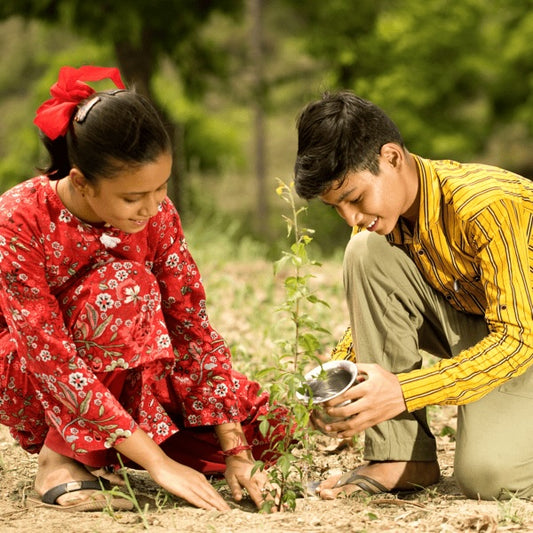

Sowing Diversity, Growing Life: Biodiversity Tree Plantation Guide
In the intricate tapestry of our planet's ecosystems, sowing diversity, growing life represents the fundamental principle that guides successful biodiversity conservation through strategic tree plantation. Every tree we plant becomes a cornerstone for nurturing countless species, creating habitats, and restoring the delicate balance that sustains life on Earth. This symbiotic relationship between trees and biodiversity offers hope for our planet's future while addressing the urgent need for environmental restoration.
Tree plantation, when approached with an understanding of its profound impact on biodiversity, transforms from a simple environmental action into a powerful catalyst for ecosystem restoration. At Grow Billion Trees, we understand this connection deeply, working toward our mission to Plant a tree in your Name while contributing to the ambitious goal of planting 100 crore trees across India by 2030.
Understanding Biodiversity: The Foundation of Life ✅
Biodiversity encompasses the incredible variety of life on Earth, including millions of species of plants, animals, fungi, and microorganisms. This intricate web of relationships sustains ecosystems by providing essential services such as pollination, nutrient cycling, and natural disease control. Trees serve as foundational components in this complex symphony of life.
The United Nations Sustainable Development Goals recognize biodiversity conservation as crucial for achieving sustainable development worldwide. Each species plays a unique role in maintaining ecological balance, making diversity essential for ecosystem resilience and stability.
Forests as Biodiversity Hotspots: Nature's Treasures ⭐
Forests represent some of Earth's most biodiverse ecosystems, often called the lungs of our planet. These complex environments provide habitat and sustenance for countless species, from towering canopy dwellers to forest floor inhabitants. The diverse niches within forests create interconnected ecosystems that support an extraordinary range of flora and fauna.
According to the World Wildlife Fund's forest conservation initiatives, forests harbor approximately 80% of terrestrial biodiversity despite covering only 31% of the global land area. This statistic highlights the critical importance of forest conservation and restoration efforts.
Strategic Tree Plantation for Habitat Restoration 🌱
Deforestation driven by human activities has led to devastating biodiversity loss and ecosystem disruption. Sowing diversity, growing life through strategic tree plantation emerges as a powerful solution for habitat restoration. By carefully selecting native tree species and implementing thoughtful planting strategies, we can recreate vital habitats for displaced or endangered species.
Our specialized programs at Grow Billion Trees, including Miyawaki forest creation and mangrove restoration, focus on establishing diverse ecosystems that support maximum biodiversity. Each planted tree receives 4ft Tree Planting + 3 Years Care + GeoTag technology, ensuring successful establishment and long-term ecosystem benefits.
The Pollinator Connection: A Vital Partnership 🐝
Trees and pollinators share a mutually beneficial relationship essential for biodiversity conservation. Many tree species depend on pollinators such as bees, butterflies, and birds for reproduction, while these creatures rely on trees for food and shelter. This partnership exemplifies the principle of sowing diversity, growing life through interconnected relationships.
By providing diverse flowering trees through our plantation initiatives, we support pollinator populations crucial for ecosystem health. Research shows that areas with greater tree diversity support more abundant and diverse pollinator communities, creating positive feedback loops that benefit entire ecosystems.
Agroforestry: Harmonizing Agriculture and Biodiversity 💡
Agroforestry represents an innovative approach to sowing diversity, growing life by integrating trees into agricultural landscapes. This practice creates synergistic systems that enhance both agricultural productivity and biodiversity conservation. Strategic tree placement in farming areas provides multiple benefits:
- ✅ Enhanced soil fertility through natural nutrient cycling
- ✅ Improved water retention and erosion control
- ✅ Habitat creation for beneficial insects and wildlife
- ✅ Diversified income sources for farming communities
Our agroforestry programs help farmers achieve sustainable land management while contributing to biodiversity conservation and climate change mitigation. These initiatives support rural livelihoods while advancing environmental restoration goals.
Indigenous Wisdom: Traditional Knowledge for Modern Conservation
Indigenous communities worldwide have practiced sowing diversity, growing life for generations through traditional forest stewardship. Their deep understanding of local ecosystems and sustainable land management practices offers valuable insights for modern conservation efforts. Traditional tree planting methods often emphasize species diversity and ecological relationships that support long-term ecosystem health.
By incorporating indigenous knowledge into our tree plantation strategies, we create more effective and culturally appropriate conservation programs. This approach respects traditional practices while leveraging scientific understanding to maximize biodiversity benefits.
Addressing Conservation Challenges ⚠️
While tree plantation significantly contributes to biodiversity conservation, several challenges require careful attention:
- • Invasive species management and prevention
- • Habitat fragmentation and connectivity issues
- • Climate change adaptation strategies
- • Community engagement and education
- • Long-term monitoring and maintenance
The World Wildlife Fund's research on deforestation emphasizes the need for comprehensive approaches that address these challenges through scientific research, community involvement, and adaptive management strategies.
Technology and Monitoring: Ensuring Success 📱
Modern tree plantation initiatives benefit from advanced technology that supports biodiversity conservation goals. Our GeoTag technology allows supporters to track their planted trees and monitor ecosystem development over time. This transparency ensures accountability while providing valuable data for conservation research.
Satellite monitoring, drone surveys, and mobile applications enable real-time tracking of plantation success and biodiversity recovery. These tools help optimize planting strategies and identify areas requiring additional conservation attention.
Corporate Partnerships: Scaling Impact for Net Zero Targets 🏢
Corporate partnerships play a crucial role in scaling biodiversity conservation efforts. Companies seeking to achieve Net Zero Targets through environmental restoration can support large-scale tree plantation initiatives that deliver measurable biodiversity benefits. These partnerships create sustainable funding models for long-term conservation programs.
Our corporate programs enable businesses to contribute to the goal of planting 100 crore trees while supporting biodiversity conservation and community development. Each corporate partnership amplifies the impact of sowing diversity, growing life across India's diverse landscapes.
Urban Forestry: Bringing Biodiversity to Cities 🏙️
Urban forestry initiatives demonstrate how sowing diversity, growing life can transform city environments. Strategic tree planting in urban areas creates green corridors that support wildlife movement and provide habitat for various species. Urban forests also improve air quality, reduce heat islands, and enhance quality of life for city residents.
Our urban forestry programs in cities like Mumbai, Bangalore, Delhi, Chennai, and Hyderabad focus on native species selection and ecosystem restoration. These initiatives prove that biodiversity conservation is possible even in densely populated urban environments.
Frequently Asked Questions
How does tree plantation specifically support biodiversity conservation?
Tree plantation supports biodiversity by creating habitats for various species, providing food sources through fruits and seeds, supporting pollinators with flowers, and establishing ecosystem corridors that enable wildlife movement. Native tree species are particularly effective at supporting local biodiversity.
What makes some tree species better for biodiversity than others?
Native tree species typically support more biodiversity because local wildlife has evolved alongside these plants. They provide appropriate food sources, nesting sites, and habitat conditions that exotic species cannot offer. Native trees also support more insect species, which form the foundation of many food webs.
How long does it take for planted trees to start supporting biodiversity?
Tree plantation begins supporting biodiversity immediately, with different benefits emerging over time. Young trees provide shelter for small animals within the first year, while flowering and fruiting typically begin after 2-5 years. Mature forest ecosystems develop over 10-20 years, supporting maximum biodiversity.
Can tree plantation help endangered species recover?
Strategic tree plantation can significantly support endangered species recovery by restoring their natural habitats. When combined with species-specific conservation efforts, habitat restoration through tree planting provides the foundation for population recovery and long-term species survival.
How do agroforestry systems compare to pure forests for biodiversity?
While pure forests typically support higher biodiversity levels, well-designed agroforestry systems can provide significant biodiversity benefits compared to conventional agriculture. They create habitat corridors, support pollinators, and provide ecosystem services while maintaining agricultural productivity.
What role do pollinators play in tree plantation success?
Pollinators are essential for tree reproduction and forest regeneration. They enable genetic diversity in tree populations and support natural forest expansion. Tree plantation initiatives that include pollinator-friendly species create self-sustaining ecosystems that continue growing and diversifying over time.
How can individuals contribute to sowing diversity through tree plantation?
Individuals can contribute by supporting organizations like Grow Billion Trees, choosing to plant native species in their gardens, participating in community tree planting events, and educating others about the biodiversity benefits of strategic tree plantation.
What monitoring methods ensure tree plantation projects support biodiversity?
Effective monitoring includes biodiversity surveys before and after planting, tracking species abundance and diversity, monitoring ecosystem health indicators, and using technology like camera traps and acoustic monitoring to document wildlife presence and behavior changes.
The Future of Biodiversity Conservation Through Tree Plantation 🌍
The future of biodiversity conservation depends on our collective commitment to sowing diversity, growing life through strategic tree plantation initiatives. As we face unprecedented environmental challenges, the symbiotic relationship between trees and biodiversity offers hope for ecosystem restoration and species preservation.
Climate change adaptation strategies increasingly recognize the importance of biodiversity-focused tree plantation. Diverse ecosystems demonstrate greater resilience to environmental stresses, making biodiversity conservation essential for long-term ecosystem stability. Our efforts today determine the natural heritage we leave for future generations.
Taking Action: Your Role in the Biodiversity Revolution
Every individual has the power to contribute to biodiversity conservation through tree plantation. Whether you choose to Plant a tree in your Name for a special occasion, support corporate environmental initiatives, or participate in community restoration projects, your actions contribute to the larger goal of sowing diversity, growing life across our planet.
At Grow Billion Trees, we make it simple to contribute to biodiversity conservation. For just ₹299, you can plant a tree that receives three years of care and comes with GeoTag tracking technology. This small investment supports massive environmental impact while contributing to our mission of Combating Climate Change Through Collective Action.
Join us in the symbiotic dance of biodiversity and tree plantation. Together, we can restore ecosystems, protect endangered species, and create a thriving planet where diverse life forms flourish for generations to come. Plant your tree today and become part of the biodiversity conservation movement that's transforming our world one tree at a time.
You may also like
-
Gift a Tree - Meaningful Environmental Gifts That Make a Difference
Transform your gift-giving with meaningful environmental gifts that create lasting impact for...
-
Trees For Shiv Ji - Sacred Tree Planting to Honor Lord Shiva
Honor Lord Shiva through sacred tree planting with Trees For Shiv Ji,...
-

Tree Plantations for Shri Ram - Sacred Devotional Planting Services
Honor Lord Shri Ram through meaningful tree plantations for Shri Ram that...
-
Tree Plantation on Navratri - Celebrate Divine Festivals with Environmental Devotion
Tree plantation on Navratri transforms the sacred nine-day festival into a powerful...
-
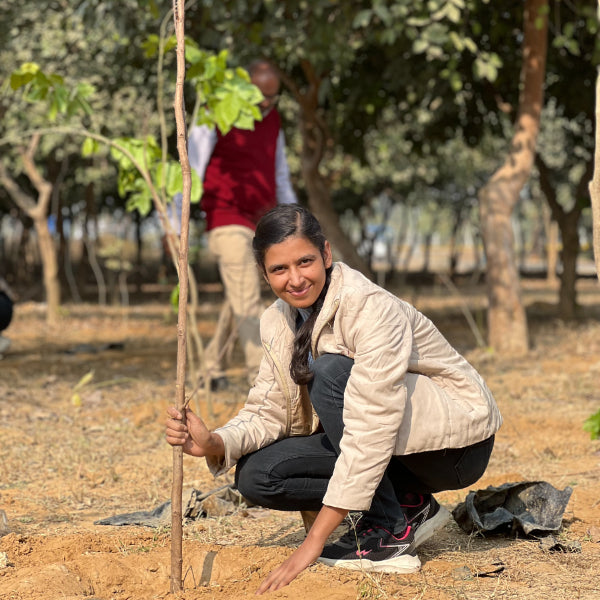
Tree Plantation by Cause - Plant Trees for Every Purpose | Grow Billion Trees
Transform your environmental impact with purpose-driven tree plantation by cause programs that...
Corporate Plantations
-
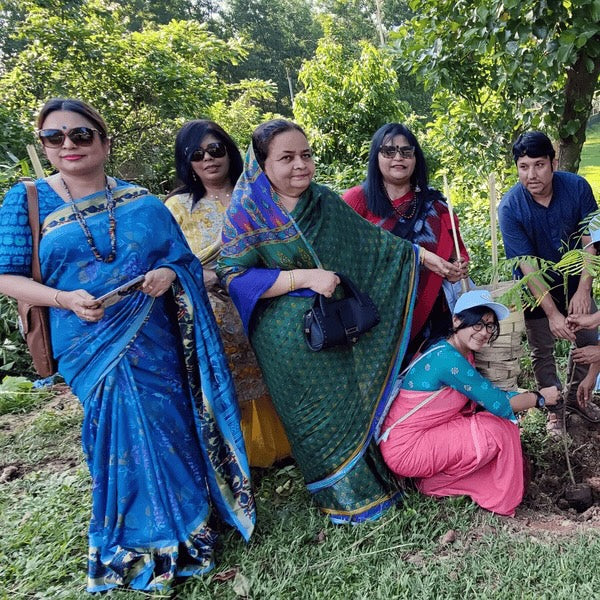
Trees for Corporates - Achieve Net Zero Targets Through Strategic Tree Planting
Trees for Corporates - Strategic Environmental SolutionsTransform your corporate environmental impact with...
-
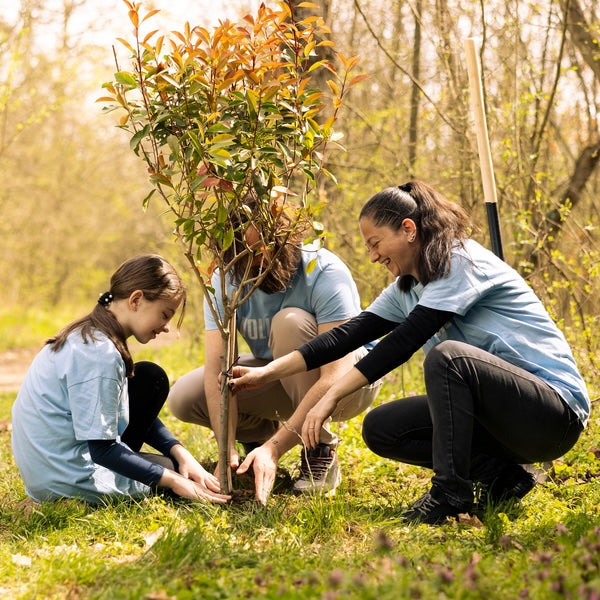
Tree Plantation for CSR - Corporate Environmental Programs | Grow Billion Trees
Tree Plantation for CSR - Transform Your Corporate Environmental ImpactTree plantation for...
-
Tree Plantation for SDG - Support Sustainable Development Goals
Tree plantation for SDG initiatives represents a powerful pathway to achieving multiple...
-

Corporate Tree Plantation Programs - Sustainable ESG Environmental Solutions for Net Zero Targets
Transform your organization's environmental impact with our comprehensive Corporate Tree Plantation Programs...
-
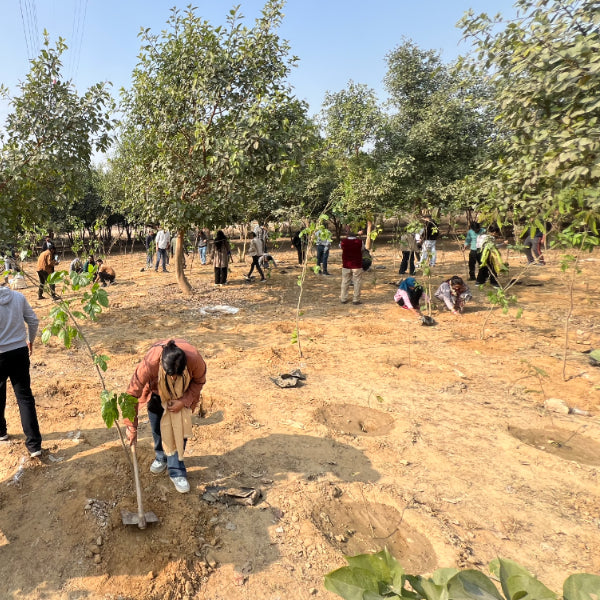
Tree Plantation by Location - Plant Trees Across India
Transform landscapes nationwide through our comprehensive tree plantation by location program. When...
Most Popular Tree Plantations - Top Choices for Environmental Impact
-
Trees for Mother
Regular price ₹ 299Regular priceUnit price per -
Trees to Honor the Memory of your Loved Ones
Regular price ₹ 299Regular priceUnit price per -
Trees for Wedding Anniversary Celebration
Regular price ₹ 299Regular priceUnit price per -
Trees for Grandmother
Regular price ₹ 299Regular priceUnit price per -
Trees for Grandfather
Regular price ₹ 299Regular priceUnit price per

Connect with us
-
👥 Corporates
If you are looking for:
- 🌲 Tree Plantation Events
- 📊 CSR Projects
📧 corporate@growbilliontrees.com
📞 +91 9699723523
💬 +91 9325931304 WhatsApp (Only)
🕒 Mon - Sat | 10am - 7pm IST
-
🧩 Tree Plantation NGOs
If you are looking for:
- 💰 Financial Assistance
- 🤝 Operational Support
📧 support@growbilliontrees.com
📞 +91 9699723523
💬 +91 9325931304 WhatsApp (Only)
🕒 Mon - Sat | 10am - 7pm IST
-
🌼 Individuals
If you are looking for:
- 👥 Group Tree Plantation Drive
- 🌳 Bulk Tree Plantation
📞 +91 9699723523
💬 +91 9325931304 WhatsApp (Only)
🕒 Mon - Sat | 10am - 7pm IST
