
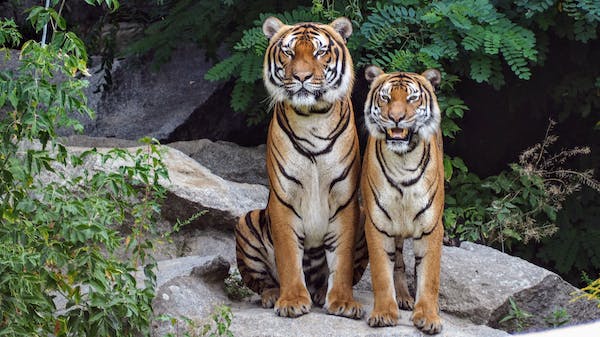
Tigers are among the most powerful and enigmatic guardians of the forest ecosystem on our planet. As apex predators, they maintain the delicate balance that allows countless species to thrive together. In 2026, protecting these magnificent animals re Read more
Trending Tree Plantations - Most Popular Environmental Programs
-
Trees for Mother
Regular price ₹ 299Regular priceUnit price per -
Trees to Honor the Memory of your Loved Ones
Regular price ₹ 299Regular priceUnit price per -
Trees for Women's Day (8th Mar)
Regular price ₹ 299Regular priceUnit price per -
Trees for Wedding Anniversary Celebration
Regular price ₹ 299Regular priceUnit price per -
Trees for Grandmother
Regular price ₹ 299Regular priceUnit price per





Trees for Corporates - Achieve Net Zero Targets Through Strategic Tree Planting
-
 Project Closed
Trees by LIFT Team for Green Diwali: Transform Your Festival
Regular price ₹ 299Regular priceUnit price per -
Trees for a Greener Tomorrow - by Mahindra Lifespaces
Regular price ₹ 299Regular priceUnit price per -
Trees for Environment Day: Plant Your Impact on June 5th
Regular price ₹ 299Regular priceUnit price per -
 Project Closed
Trees for Bangalore: Plant Native Trees in Garden City ₹299
Regular price ₹ 799Regular priceUnit price per -
Trees for Employees: Transform Your Corporate Culture in 2026
Regular price ₹ 299Regular priceUnit price per


The Enigmatic Tigers: Guardians of Forest Ecosystem
Tigers are among the most powerful and enigmatic guardians of the forest ecosystem on our planet. As apex predators, they maintain the delicate balance that allows countless species to thrive together. In 2026, protecting these magnificent animals remains one of the most urgent and wonderful environmental missions we share as a global community.
Our experience at Grow Billion Trees confirms a vital truth: healthy forests and thriving tigers are inseparable. Every tree we plant brings us closer to restoring the natural habitats these incredible animals need. We are proud to be part of a movement that connects conscious tree planting with wildlife conservation across India.
✅ The Critical Role of Tigers in Forest Balance
The forest ecosystem relies on a complex web of interactions where each species contributes to the survival of others. Tigers, as top predators, control populations of herbivores like deer and wild boar. This prevents overgrazing and preserves the health of vegetation across vast, green landscapes.
Moreover, tigers travel enormous distances in search of prey. This roaming behavior promotes natural seed dispersal and helps regenerate forests organically. According to the World Wildlife Fund's forest conservation initiatives, apex predators like tigers are crucial for sustaining biodiversity hotspots across Asia.
Tigers also shape the physical landscape of forests in remarkable ways. Their hunting patterns influence where prey animals graze and migrate. This creates a natural balance that allows vegetation to recover and grow, supporting the entire ecosystem and nurturing biodiversity from the ground up.
Research shows that forests with healthy tiger populations contain up to 40% more tree species diversity than forests without apex predators. This biodiversity ripple effect is what makes tigers true ecosystem engineers. They transform forests into resilient, thriving habitats that benefit every living creature within them.
⭐ India's Remarkable Tiger Conservation Success
India's Save Tiger campaign, launched in 1973, stands as one of the world's greatest conservation success stories. The Bengal tiger population has grown from just 1,411 tigers in 2006 to over 3,682 in the 2022 census. This remarkable achievement reflects the power of collective, mindful policy-making and community action.
Strict anti-poaching measures, protected national parks, and community involvement all contributed to this growth. India now hosts more than 70% of the world's wild tiger population. This success inspires hope and proves that conscious conservation efforts can transform the future of endangered species.
The Save Tiger campaign's impact extends far beyond the tiger itself. As tigers thrive, their entire habitat flourishes naturally. Countless plant and animal species coexist more harmoniously when the forest's natural guardian is present, healthy, and protected.
Cities like Mumbai, Bangalore, Delhi, Chennai, and Hyderabad are increasingly connected to tiger conservation through urban greening programs. These initiatives help build public awareness and funding for forest protection. We are happy to see how urban communities across India are embracing their role in this great national mission.
🌳 Habitat Requirements and Forest Dependencies
Tigers require vast, undisturbed territories to survive and reproduce successfully. Adult male tigers may need up to 100 square kilometres of forest habitat. These territories must offer adequate prey, clean water sources, and dense vegetation for cover and hunting.
Dense, natural forests provide essential camouflage for successful hunting. Undergrowth, fallen logs, and varied terrain allow tigers to stalk prey without detection. The United Nations Environment Programme's research on forests confirms that forest conservation is essential for maintaining tiger populations and their ecological functions across Asia.
Without healthy, expansive forests, tigers cannot maintain viable territories or raise cubs safely. Forest fragmentation forces tigers into smaller ranges, reducing genetic diversity. This makes entire populations vulnerable to disease, inbreeding, and reproductive failure over time.
Native tree species play a particularly important role in tiger habitats. They support the prey base that tigers depend on for nutrition. When we nurture native forests, we are directly investing in the survival of every tiger that calls those forests home.
⚠️ Current Threats to Tigers and Their Habitats
Despite conservation gains, tigers face serious and ongoing threats. Habitat destruction remains the single greatest danger, driven by deforestation, agriculture expansion, and infrastructure development. As the World Wildlife Fund reports on deforestation, forest loss fragments tiger habitats and reduces prey availability dramatically across Asia.
Poaching for the illegal wildlife trade continues to threaten tiger populations in India and beyond. Climate change is also altering prey migration patterns and disrupting critical water sources. These combined pressures make comprehensive, eco-friendly conservation more urgent than ever before.
- Habitat fragmentation due to rapid infrastructure development
- Poaching and illegal wildlife trade networks
- Human-tiger conflict in forest border areas
- Climate change disrupting prey migration patterns
- Pollution and contamination impacting water sources
- Invasive species reducing native forest biodiversity
However, these challenges are not insurmountable. We have seen firsthand how strategic conservation and sustainable tree planting can restore tiger habitats effectively. Together, communities, governments, and organisations can reverse the damage and secure a green future for these guardians of the forest.
💡 How Forest Conservation Supports Tiger Populations
Protecting tigers requires a comprehensive approach to forest conservation. When we preserve large tracts of natural, organic forest, we create safe corridors for tigers to move between territories. This genetic exchange is vital for maintaining strong, resilient tiger populations across India.
Forest restoration also benefits the entire ecosystem beyond tigers. Native tree species provide food and shelter for prey animals, creating a sustainable food web. Our team at Grow Billion Trees has found through hands-on experience that strategic tree plantation significantly enhances wildlife corridors and ecosystem connectivity.
Through our 4ft Tree Planting + 3 Years Care + GeoTag program, we create verified forest habitats that directly support wildlife conservation. Each tree planted contributes to the larger, inspiring goal of restoring tiger habitats across India. We ensure every planting is geo-tagged and monitored, giving you verified proof of your environmental impact.
We are glad to report that our partners across India have already helped restore thousands of acres of forest cover. These areas now serve as vital green corridors connecting protected reserves and national parks. This kind of hands-on restoration work is what makes the difference between a statistic and a living, breathing, thriving forest.
2026 data from the Global Forest Watch shows that community-led reforestation efforts are growing by 23% annually in South Asia. This trend gives us great reason for hope. Moreover, each verified planting project adds measurable biodiversity value that supports both tigers and the communities living near their habitats.
🌱 Combating Climate Change Through Forest Restoration
Tiger conservation and climate action go hand in hand in a wonderful, interconnected relationship. Healthy forests act as powerful carbon sinks, helping mitigate climate change while providing essential habitat for tigers. According to the United Nations Climate Change initiatives, forests absorb approximately 2.6 billion tonnes of CO2 annually, making them one of our most valuable natural climate tools.
When we protect tiger habitats, we also protect these critical carbon reservoirs from destruction. Forest degradation releases stored carbon into the atmosphere, accelerating global warming. Conversely, reforestation and natural forest regeneration help us achieve Net Zero Targets that are essential for a livable, thriving planet.
The United Nations Sustainable Development Goals recognise that biodiversity conservation and climate action are deeply interconnected priorities. Protecting tigers supports multiple SDGs, including life on land, climate action, and clean water for all. This integrated approach is at the heart of everything we do at Grow Billion Trees.
2026 data from global climate reports confirms that forests covering less than 10% of Earth's surface store over 45% of terrestrial carbon. Protecting and expanding these forests is among the most impactful actions we can take for our earth. Together, we can grow a greener, cooler, and more biodiverse world for future generations.
🌿 How You Can Help: Plant a Tree for Tigers
You do not need to be a scientist or policymaker to make a real, meaningful difference for tigers. Plant a tree in your Name for just ₹299 and directly contribute to tiger habitat restoration across India. This great opportunity lets every individual become part of the larger mission to plant 100 crore trees and protect India's forests.
At Grow Billion Trees, we are committed to Combating Climate Change Through Collective Action. Our certified tree planting programs provide 3 years of care for every tree, with GeoTag technology to track your tree's growth and impact. We ensure each planting is verified and authenticated, giving you full confidence in your environmental contribution.
Whether you are an individual, a corporate seeking to achieve Net Zero Targets, or someone celebrating a special occasion, we have a planting program designed for you. Our agroforestry, Miyawaki, and mangrove restoration programs offer diverse and impactful ways to nurture India's natural heritage. Explore our programs and discover how easy and rewarding it is to make a lasting impact.
- Individual Tree Planting: Plant a tree in your Name for just ₹299
- Corporate Programs: Achieve verified Net Zero Targets with bulk planting
- Occasion Planting: Celebrate birthdays, memorials, and special events
- Miyawaki Forests: Create dense, fast-growing native forests in urban areas
- Agroforestry: Support farmers while restoring India's green cover
- Mangrove Restoration: Protect coastal ecosystems and marine biodiversity
Every tree you plant today is a proven, meaningful gift to the future. Together, we can boost biodiversity, improve air quality, and help ensure that tigers continue to roam India's great forests for generations to come. Discover how to plant your tree today and join our growing, inspired community of eco-conscious changemakers.
Frequently Asked Questions
Why are tigers called guardians of the forest ecosystem?
Tigers are apex predators that regulate herbivore populations, preventing overgrazing and maintaining forest health. Their presence keeps the food chain balanced, which supports biodiversity and ensures the survival of countless plant and animal species across vast forest landscapes.
How many tigers are left in India in 2026?
India's tiger population has grown significantly due to sustained conservation efforts. The 2022 census recorded over 3,682 tigers, making India home to more than 70% of the world's wild tigers. Ongoing conservation work aims to grow this number further in 2026 and beyond.
What is the biggest threat to tigers today?
Habitat destruction through deforestation is the greatest threat to tigers worldwide. Poaching, human-wildlife conflict, and climate change also pose serious dangers. Protecting and restoring natural forest habitats is the most effective way to ensure long-term tiger survival.
How does tree planting help save tigers?
Tree planting restores the forest habitats that tigers depend on for territory, hunting, and raising their cubs. Creating green corridors between protected areas allows tigers to move safely and maintain genetic diversity. Strategic reforestation directly improves the conditions for sustainable, healthy tiger populations.
What is the Save Tiger campaign in India?
India's Save Tiger campaign was launched in 1973 to protect the endangered Bengal tiger and its natural habitat. It established protected reserves, anti-poaching measures, and community programs across the country. The campaign is considered one of the most successful wildlife conservation efforts in the world.
How can I contribute to tiger conservation?
You can contribute by planting trees through programs like Grow Billion Trees, supporting certified conservation organisations, and raising awareness about tiger habitats. Planting a tree for just ₹299 through our program directly supports forest restoration and tiger habitat recovery across India.
What role do forests play in climate change mitigation?
Forests are vital carbon sinks that absorb billions of tonnes of CO2 each year. Protecting tiger habitats means preserving these carbon stores, which helps slow global warming significantly. Forest restoration is one of the most cost-effective and impactful climate solutions available to us today.
What is the 4ft Tree Planting + 3 Years Care + GeoTag program?
This is Grow Billion Trees' signature, certified planting program. Each tree is planted at 4ft height, cared for over three years, and tracked with GeoTag technology. You receive verified proof of your tree's location and growth, ensuring full transparency and accountability for your contribution.
How does Grow Billion Trees support tiger conservation?
We restore forest habitats by planting native species in strategic locations across India. Our tree planting programs create wildlife corridors, restore degraded land, and support biodiversity at scale. We work with our partners to ensure every planted tree contributes to a healthier, more resilient ecosystem for tigers and all wildlife.
What is the goal of Grow Billion Trees?
Our goal is to plant 100 crore trees across India by June 2030. We focus on restoring degraded forests, supporting agroforestry programs, and creating urban green spaces in cities. Our mission is to drive Combating Climate Change Through Collective Action while protecting India's incredible biodiversity and natural heritage.
Summary: Together We Can Protect India's Tigers
Tigers are not just iconic symbols of India's wild beauty and strength. They are essential, irreplaceable guardians of the forest ecosystem, driving biodiversity, regulating prey populations, and shaping the natural landscape. Protecting them is one of the most impactful and meaningful things we can do for our shared earth.
At Grow Billion Trees, we believe every planted tree brings us closer to a world where tigers thrive and forests flourish with life. Our hands-on programs give you a direct, meaningful, and transparent way to contribute to this great mission. We are happy to welcome you to our growing community of eco-conscious, mindful changemakers across India.
Plant a tree in your Name today for just ₹299. Join our inspiring mission to plant 100 crore trees and secure a green, vibrant, and sustainable future for India's magnificent tigers and all the species that depend on healthy forests. Explore our tree planting programs and make your lasting impact count today.
You may also like
-

Gift a Tree - Meaningful Environmental Gifts That Make a Difference
Transform your gift-giving with meaningful environmental gifts that create lasting impact for...
-

Trees For Shiv Ji - Sacred Tree Planting to Honor Lord Shiva
Honor Lord Shiva through sacred tree planting with Trees For Shiv Ji,...
-

Tree Plantations for Shri Ram - Sacred Devotional Planting Services
Honor Lord Shri Ram through meaningful tree plantations for Shri Ram that...
-
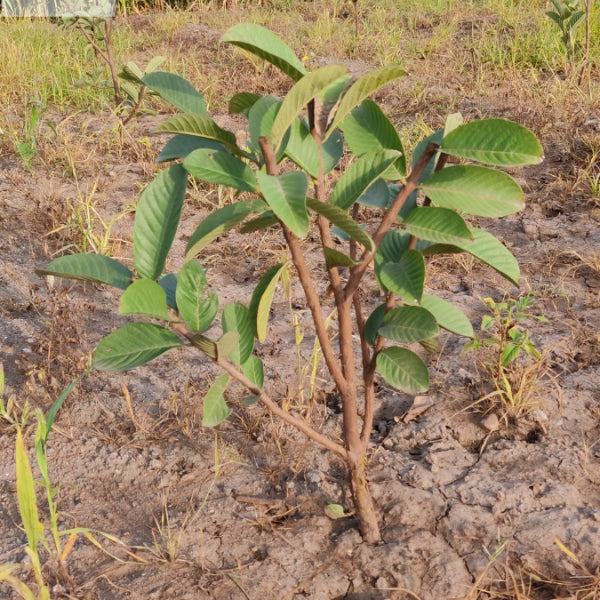
Tree Plantation on Navratri - Celebrate Divine Festivals with Environmental Devotion
Tree plantation on Navratri transforms the sacred nine-day festival into a powerful...
-
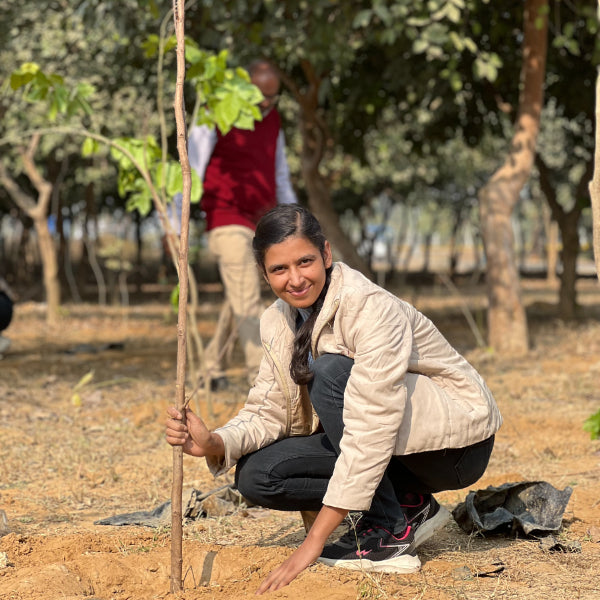
Tree Plantation by Cause - Plant Trees for Every Purpose | Grow Billion Trees
Transform your environmental impact with purpose-driven tree plantation by cause programs that...
Corporate Plantations
-

Trees for Corporates - Achieve Net Zero Targets Through Strategic Tree Planting
Trees for Corporates - Strategic Environmental SolutionsTransform your corporate environmental impact with...
-

Tree Plantation for CSR - Corporate Environmental Programs | Grow Billion Trees
Tree Plantation for CSR - Transform Your Corporate Environmental ImpactTree plantation for...
-
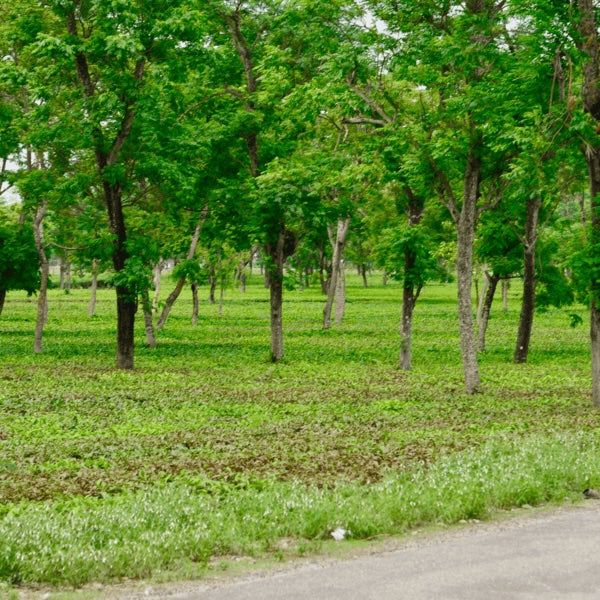
Tree Plantation for SDG - Support Sustainable Development Goals
Tree plantation for SDG initiatives represents a powerful pathway to achieving multiple...
-

Corporate Tree Plantation Programs - Sustainable ESG Environmental Solutions for Net Zero Targets
Transform your organization's environmental impact with our comprehensive Corporate Tree Plantation Programs...
-
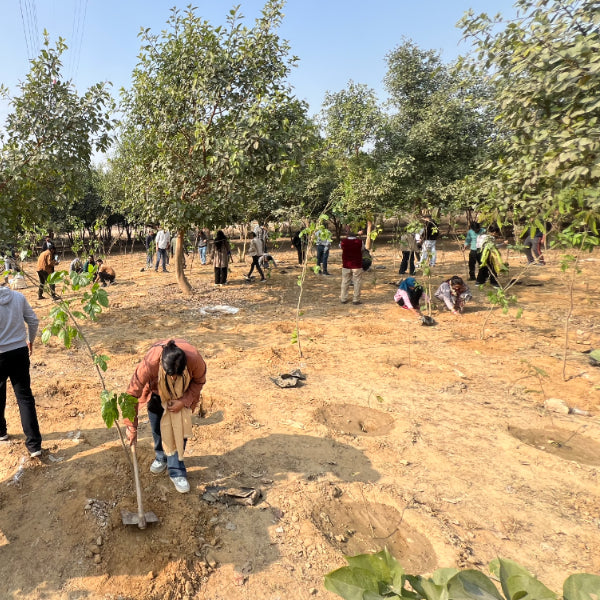
Tree Plantation by Location - Plant Trees Across India
Transform landscapes nationwide through our comprehensive tree plantation by location program. When...
Most Popular Tree Plantations - Top Choices for Environmental Impact
-
Trees for Mother
Regular price ₹ 299Regular priceUnit price per -
Trees to Honor the Memory of your Loved Ones
Regular price ₹ 299Regular priceUnit price per -
Trees for Wedding Anniversary Celebration
Regular price ₹ 299Regular priceUnit price per -
Trees for Grandmother
Regular price ₹ 299Regular priceUnit price per -
Trees for Grandfather
Regular price ₹ 299Regular priceUnit price per

Connect with us
-
👥 Corporates
If you are looking for:
- 🌲 Tree Plantation Events
- 📊 CSR Projects
📧 corporate@growbilliontrees.com
📞 +91 9699723523
💬 +91 9325931304 WhatsApp (Only)
🕒 Mon - Sat | 10am - 7pm IST
-
🧩 Tree Plantation NGOs
If you are looking for:
- 💰 Financial Assistance
- 🤝 Operational Support
📧 support@growbilliontrees.com
📞 +91 9699723523
💬 +91 9325931304 WhatsApp (Only)
🕒 Mon - Sat | 10am - 7pm IST
-
🌼 Individuals
If you are looking for:
- 👥 Group Tree Plantation Drive
- 🌳 Bulk Tree Plantation
📞 +91 9699723523
💬 +91 9325931304 WhatsApp (Only)
🕒 Mon - Sat | 10am - 7pm IST
