

Imagine if there were a superpower that could help save our planet from the clutches of climate change. Well, it turns out that nature has bestowed upon us just such a power—carbon sequestration. This extraordinary process involves capturing and stor Read more
Trending Tree Plantations - Most Popular Environmental Programs
-
Trees for Mother
Regular price ₹ 299Regular priceUnit price per -
Trees to Honor the Memory of your Loved Ones
Regular price ₹ 299Regular priceUnit price per -
Trees for Women's Day (8th Mar)
Regular price ₹ 299Regular priceUnit price per -
Trees for Wedding Anniversary Celebration
Regular price ₹ 299Regular priceUnit price per -
Trees for Grandmother
Regular price ₹ 299Regular priceUnit price per




Trees for Corporates - Achieve Net Zero Targets Through Strategic Tree Planting
-
 Project Closed
Trees by LIFT Team for Green Diwali: Transform Your Festival
Regular price ₹ 299Regular priceUnit price per -
Trees for a Greener Tomorrow - by Mahindra Lifespaces
Regular price ₹ 299Regular priceUnit price per -
Trees for Environment Day: Plant Your Impact on June 5th
Regular price ₹ 299Regular priceUnit price per -
 Project Closed
Trees for Bangalore: Plant Native Trees in Garden City ₹299
Regular price ₹ 799Regular priceUnit price per -
Trees for Employees: Transform Your Corporate Culture in 2026
Regular price ₹ 299Regular priceUnit price per
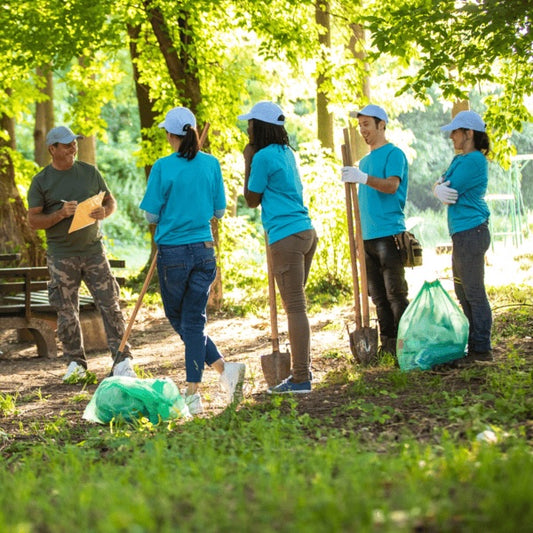
The Marvels of Carbon Sequestration: Nature's Climate Solution
Imagine if there were a superpower that could help save our planet from the clutches of climate change. Well, it turns out that nature has bestowed upon us just such a power—carbon sequestration. This extraordinary process involves capturing and storing carbon dioxide, the notorious greenhouse gas responsible for global warming. Trees, our leafy allies, play a pivotal role in this planetary rescue mission, offering hope for achieving Net Zero Targets through natural climate solutions.
Understanding Carbon Sequestration: Nature's Climate Change Warrior
Carbon sequestration is nature's very own superhero power against climate change. It's the process by which carbon dioxide, that pesky greenhouse gas, is captured from the atmosphere and stored away for extended periods. This incredible feat is achieved by trees and other vegetation through the magical process of photosynthesis.
Trees, with their green chlorophyll-filled leaves, inhale carbon dioxide from the atmosphere and convert it into vital organic matter. They stash this carbon away in their trunks, branches, and roots, effectively removing it from our atmosphere. According to the United Nations climate change initiative, forests currently absorb about 2.6 billion tonnes of carbon dioxide annually—one-third of the CO2 released from fossil fuel burning.
This natural process offers immense potential for Combating Climate Change Through Collective Action. When we understand and harness this superpower, we can create meaningful impact in our fight against global warming.
✅ The Crucial Role of Trees in Carbon Storage
Now, let's shine the spotlight on our green guardians—trees. These magnificent beings are the unsung heroes of carbon sequestration. As trees grow, they absorb copious amounts of carbon dioxide, acting as nature's vacuum cleaners with remarkable efficiency.
Through their branches and leaves, trees harness the power of sunlight, converting carbon dioxide into sugars and oxygen through photosynthesis. They keep the oxygen to breathe life into the world and lock away the carbon, preventing it from wreaking havoc in our atmosphere. A mature tree can absorb up to 48 pounds of carbon dioxide per year, making each tree a powerful ally in our climate mission.
Different tree species offer varying levels of carbon storage capacity:
- Fast-growing species like eucalyptus and bamboo quickly absorb large amounts of CO2
- Hardwood trees such as oak and teak store carbon for centuries
- Mangrove forests sequester up to four times more carbon than terrestrial forests
- Miyawaki forests create dense carbon sinks in urban environments
⭐ The Science Behind Carbon Sequestration
The marvels of carbon sequestration extend beyond simple absorption. Trees store carbon in multiple ways, creating comprehensive carbon sinks that benefit our planet for decades or even centuries. The World Wildlife Fund's forest conservation research demonstrates how forests act as both carbon sinks and biodiversity havens.
Carbon storage occurs in four main pools within forest ecosystems:
- Above-ground biomass → Trunks, branches, and leaves
- Below-ground biomass → Root systems extending deep into soil
- Dead organic matter → Fallen leaves and decomposing wood
- Soil organic carbon → Long-term storage in forest floor
This multi-layered approach makes forests incredibly effective at long-term carbon storage. When we Plant a tree in your Name through programs like 4ft Tree Planting + 3 Years Care + GeoTag, we're investing in decades of carbon sequestration potential.
💡 The Global Impact of Forest-Based Carbon Sequestration
Carbon sequestration is of paramount importance in the fight against climate change. As carbon dioxide and other greenhouse gases accumulate in the atmosphere, they form a heat-trapping blanket, leading to global warming and its destructive consequences. The United Nations Environment Programme highlights that forests could provide up to 37% of the climate mitigation needed to limit warming to 2°C.
By actively promoting carbon sequestration through reforestation and afforestation, we can help restore balance to our planet's climate system. It's like hitting the "reset" button on our atmosphere, giving us a chance to mitigate climate change and secure a sustainable future.
The numbers are staggering when we consider global potential:
- Reforestation could capture 205 billion tonnes of carbon by 2050
- Protecting existing forests prevents 11 billion tonnes of CO2 emissions annually
- Agroforestry systems can sequester 1.1-9.28 tonnes of CO2 per hectare yearly
- Urban forests provide additional benefits beyond carbon storage
Tree Power Unleashed: Strategic Carbon Sequestration
At Grow Billion Trees, we recognize the transformative power of trees in carbon sequestration. Our mission aligns with the goal of planting 100 crore trees across India, creating a massive network of carbon sinks that will contribute significantly to our nation's climate goals.
Through strategic tree planting initiatives, we create vast carbon storage vaults. Our approach includes:
- Species selection → Choosing native trees with high carbon storage potential
- Site optimization → Identifying locations for maximum environmental impact
- Long-term monitoring → Ensuring survival and growth through comprehensive care
- Technology integration → Using GeoTag systems to track carbon sequestration progress
Every tree we plant becomes a warrior against climate change, capturing carbon and paving the way for a greener future. Our specialized programs including Miyawaki forests, mangrove restoration, and agroforestry create diverse carbon sequestration opportunities across different ecosystems.
⚠️ Maximizing Carbon Sequestration Potential
To harness the full marvels of carbon sequestration, we must understand that not all tree-planting efforts are equal. Strategic planning and scientific approach maximize carbon storage potential while ensuring ecosystem health and biodiversity.
Key factors that enhance carbon sequestration include:
- Proper spacing → Allowing trees adequate room for growth
- Soil preparation → Creating optimal conditions for root development
- Water management → Ensuring consistent moisture for healthy growth
- Maintenance programs → Providing ongoing care for maximum survival rates
Our commitment extends beyond planting to include three years of comprehensive care, ensuring each tree reaches its full carbon sequestration potential. This approach guarantees that your investment in environmental restoration delivers lasting impact.
Beyond Trees: Comprehensive Carbon Solutions
While trees are champions of carbon sequestration, the marvels of this natural process extend to other ecosystem restoration activities. Grow Billion Trees implements holistic environmental programs that enhance overall carbon storage capacity:
Mangrove restoration creates incredibly efficient carbon sinks in coastal areas. These unique ecosystems can store up to four times more carbon per hectare than terrestrial forests, making them invaluable for climate mitigation.
Agroforestry programs combine agricultural productivity with carbon sequestration. By integrating trees into farming systems, we help farmers increase their income while contributing to climate solutions.
Urban forestry initiatives bring carbon sequestration benefits directly to cities, where they're needed most. Urban trees provide additional benefits including air purification, temperature regulation, and improved quality of life.
These comprehensive approaches ensure that our carbon sequestration efforts address multiple environmental challenges simultaneously, creating resilient ecosystems that thrive for generations.
Joining Forces for a Carbon-Neutral World
Carbon sequestration is a shared responsibility that requires collective action from individuals, communities, and organizations. While Grow Billion Trees is committed to making a substantial impact through our ambitious tree-planting goals, achieving meaningful climate results requires widespread participation.
The United Nations Sustainable Development Goals emphasize the critical role of forest conservation and restoration in achieving global climate targets. By embracing tree planting, supporting reforestation projects, and advocating for sustainable practices, we can collectively amplify the effects of carbon sequestration.
Individuals can contribute to carbon sequestration through:
- Planting trees for special occasions like birthdays and memorials
- Supporting reforestation organizations and initiatives
- Choosing products from companies committed to environmental restoration
- Advocating for forest protection policies in their communities
Corporations can achieve their Net Zero Targets by investing in verified carbon sequestration projects. Our corporate partnership programs offer scalable solutions for businesses committed to environmental responsibility and climate action.
Measuring and Verifying Carbon Impact
Understanding the marvels of carbon sequestration requires accurate measurement and verification of carbon storage. Modern technology enables us to track and quantify the environmental impact of our reforestation efforts with unprecedented precision.
Our GeoTag technology provides transparent tracking of each planted tree, allowing supporters to monitor their environmental contribution over time. This system captures:
- Tree location and species information
- Growth progress and health status
- Estimated carbon sequestration capacity
- Long-term survival and impact data
This data-driven approach ensures accountability and helps optimize future planting strategies for maximum carbon sequestration benefits. When you plant trees with us, you receive detailed certificates documenting your contribution to climate action.
Frequently Asked Questions
What exactly is carbon sequestration and how does it work?
Carbon sequestration is the process of capturing and storing atmospheric carbon dioxide for extended periods. Trees accomplish this through photosynthesis, converting CO2 into organic matter stored in their wood, roots, and surrounding soil. This natural process removes greenhouse gases from the atmosphere, helping mitigate climate change.
How much carbon can a single tree sequester over its lifetime?
A mature tree can sequester approximately 48 pounds of CO2 annually, with total lifetime storage varying by species. Fast-growing trees like eucalyptus may store 35-40 tons over their lifespan, while long-lived hardwoods can sequester 50+ tons. The exact amount depends on species, growing conditions, and tree age.
Which tree species are most effective for carbon sequestration?
Different species excel in various conditions. Fast-growing trees like bamboo and certain eucalyptus varieties quickly absorb large amounts of CO2. Hardwood species like oak, teak, and mahogany provide long-term carbon storage. Mangroves are exceptionally efficient, storing up to four times more carbon than terrestrial forests.
How long does it take for planted trees to become effective carbon sinks?
Trees begin sequestering carbon immediately upon planting, with rates increasing as they mature. Young trees (1-10 years) absorb 13-44 pounds of CO2 annually. Peak sequestration typically occurs during rapid growth phases (10-40 years), after which storage rates stabilize but continue throughout the tree's lifetime.
Can carbon sequestration through trees really make a significant impact on climate change?
Absolutely. According to scientific research, forest-based solutions could provide up to 37% of the climate mitigation needed to limit global warming to 2°C. Reforestation has the potential to capture 205 billion tonnes of carbon by 2050, making it one of the most cost-effective climate solutions available.
What happens to sequestered carbon if a tree dies or is cut down?
When trees die naturally, some carbon returns to the atmosphere through decomposition, while significant amounts remain stored in soil and root systems. Sustainable forest management practices can maintain long-term carbon storage through selective harvesting and replanting. Using wood products extends carbon storage beyond the tree's natural lifespan.
How can individuals contribute to carbon sequestration efforts?
Individuals can plant trees for special occasions, support reforestation organizations like Grow Billion Trees, choose sustainably sourced products, and advocate for forest protection policies. Even planting a single tree for ₹299 through our program contributes to the collective goal of planting 100 crore trees across India.
What role does soil play in forest carbon sequestration?
Soil represents a massive carbon reservoir in forest ecosystems, often storing more carbon than above-ground biomass. Tree roots, fallen leaves, and organic matter decomposition contribute to soil carbon storage. Healthy forest soils can sequester carbon for centuries, making soil protection crucial for long-term climate benefits.
Taking Action: Your Role in Harnessing Nature's Superpower
The marvels of carbon sequestration offer hope and practical solutions for our climate crisis. Through the simple yet powerful act of tree planting, we can harness nature's superpower to create meaningful environmental change. Every tree planted contributes to a global network of carbon sinks working tirelessly to restore atmospheric balance.
Carbon sequestration represents our planet's natural defense mechanism against climate change. With trees as our allies, we have the power to restore balance to our climate system, mitigate global warming, preserve biodiversity, and foster resilient ecosystems for future generations.
The journey toward a carbon-neutral world begins with individual actions that collectively create massive impact. When you choose to plant trees through our programs, you're not just contributing to reforestation—you're investing in proven climate solutions that will benefit our planet for decades to come.
Join Grow Billion Trees today and embrace the superpower of carbon sequestration. Together, we can transform the fight against climate change from a daunting challenge into an achievable mission. Discover how you can plant a tree in your name and become part of India's largest reforestation movement, working toward our ambitious goal of planting 100 crore trees by 2030.
You may also like
-

Gift a Tree - Meaningful Environmental Gifts That Make a Difference
Transform your gift-giving with meaningful environmental gifts that create lasting impact for...
-
Trees For Shiv Ji - Sacred Tree Planting to Honor Lord Shiva
Honor Lord Shiva through sacred tree planting with Trees For Shiv Ji,...
-

Tree Plantations for Shri Ram - Sacred Devotional Planting Services
Honor Lord Shri Ram through meaningful tree plantations for Shri Ram that...
-
Tree Plantation on Navratri - Celebrate Divine Festivals with Environmental Devotion
Tree plantation on Navratri transforms the sacred nine-day festival into a powerful...
-
Tree Plantation by Cause - Plant Trees for Every Purpose | Grow Billion Trees
Transform your environmental impact with purpose-driven tree plantation by cause programs that...
Corporate Plantations
-

Trees for Corporates - Achieve Net Zero Targets Through Strategic Tree Planting
Trees for Corporates - Strategic Environmental SolutionsTransform your corporate environmental impact with...
-
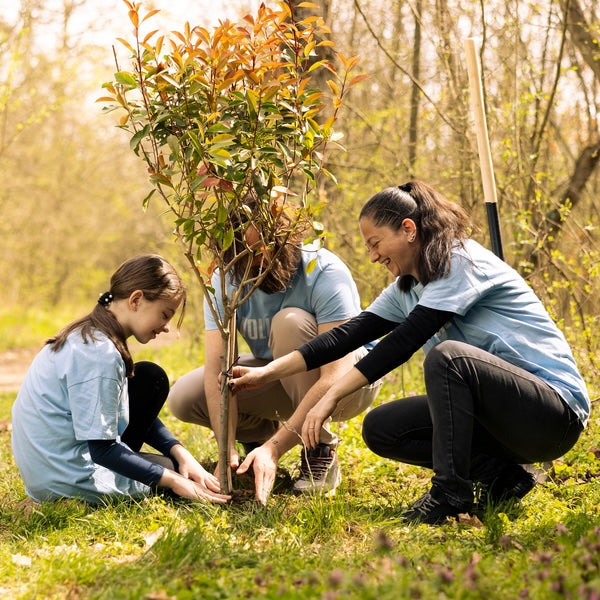
Tree Plantation for CSR - Corporate Environmental Programs | Grow Billion Trees
Tree Plantation for CSR - Transform Your Corporate Environmental ImpactTree plantation for...
-
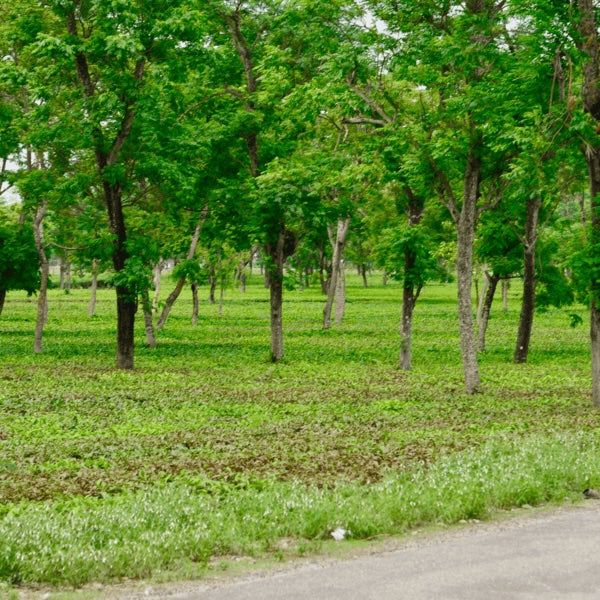
Tree Plantation for SDG - Support Sustainable Development Goals
Tree plantation for SDG initiatives represents a powerful pathway to achieving multiple...
-
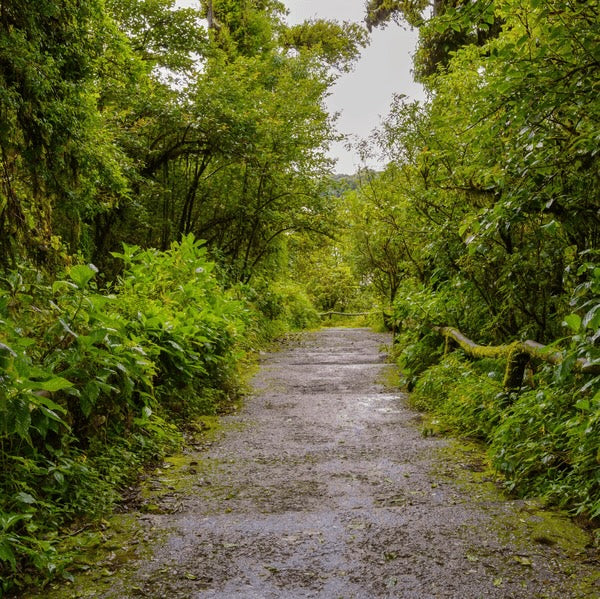
Corporate Tree Plantation Programs - Sustainable ESG Environmental Solutions for Net Zero Targets
Transform your organization's environmental impact with our comprehensive Corporate Tree Plantation Programs...
-
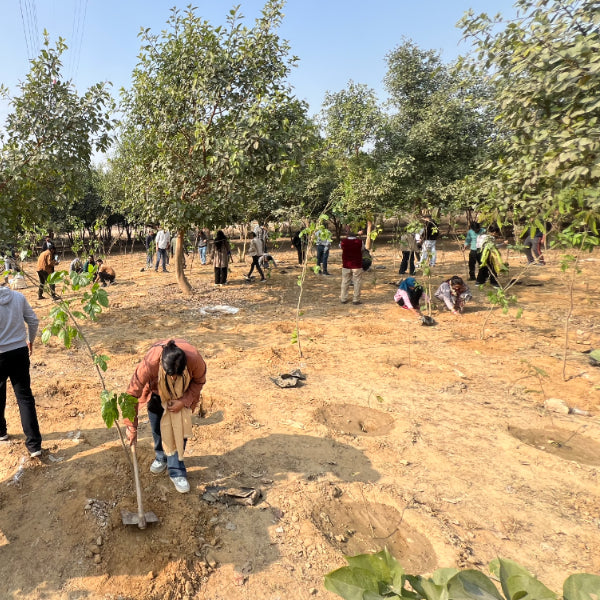
Tree Plantation by Location - Plant Trees Across India
Transform landscapes nationwide through our comprehensive tree plantation by location program. When...
Most Popular Tree Plantations - Top Choices for Environmental Impact
-
Trees for Mother
Regular price ₹ 299Regular priceUnit price per -
Trees to Honor the Memory of your Loved Ones
Regular price ₹ 299Regular priceUnit price per -
Trees for Wedding Anniversary Celebration
Regular price ₹ 299Regular priceUnit price per -
Trees for Grandmother
Regular price ₹ 299Regular priceUnit price per -
Trees for Grandfather
Regular price ₹ 299Regular priceUnit price per

Connect with us
-
👥 Corporates
If you are looking for:
- 🌲 Tree Plantation Events
- 📊 CSR Projects
📧 corporate@growbilliontrees.com
📞 +91 9699723523
💬 +91 9325931304 WhatsApp (Only)
🕒 Mon - Sat | 10am - 7pm IST
-
🧩 Tree Plantation NGOs
If you are looking for:
- 💰 Financial Assistance
- 🤝 Operational Support
📧 support@growbilliontrees.com
📞 +91 9699723523
💬 +91 9325931304 WhatsApp (Only)
🕒 Mon - Sat | 10am - 7pm IST
-
🌼 Individuals
If you are looking for:
- 👥 Group Tree Plantation Drive
- 🌳 Bulk Tree Plantation
📞 +91 9699723523
💬 +91 9325931304 WhatsApp (Only)
🕒 Mon - Sat | 10am - 7pm IST
